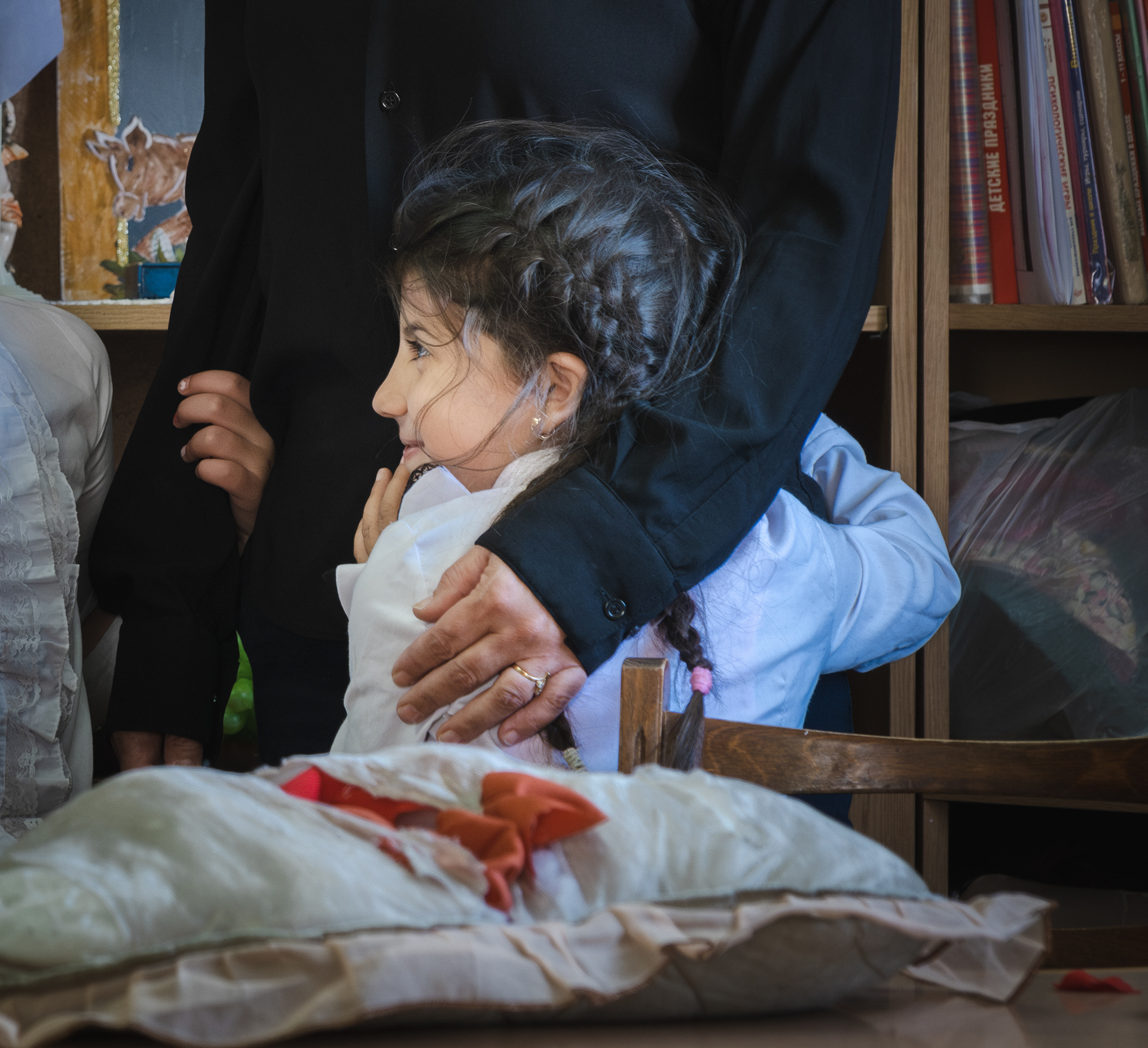
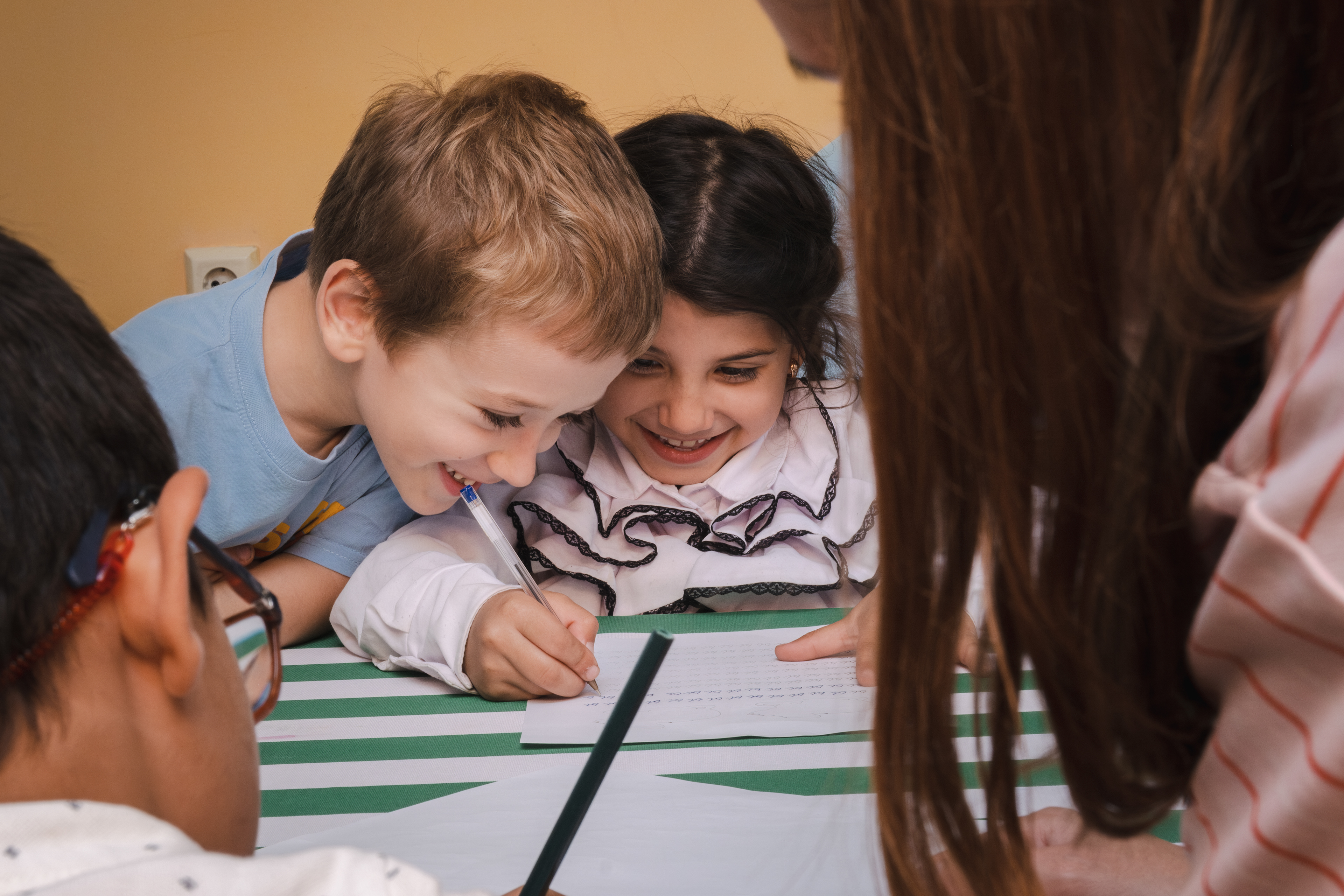
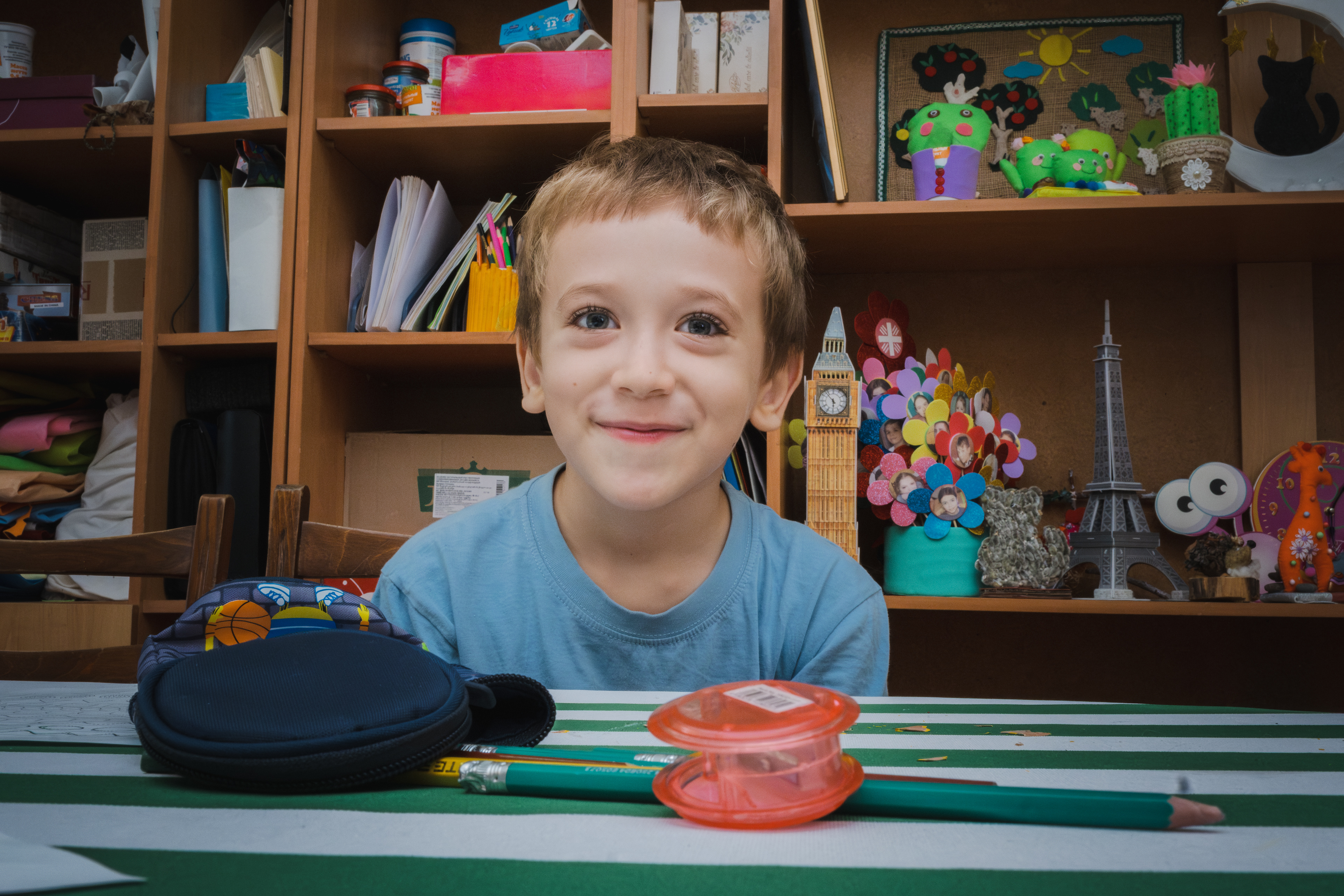
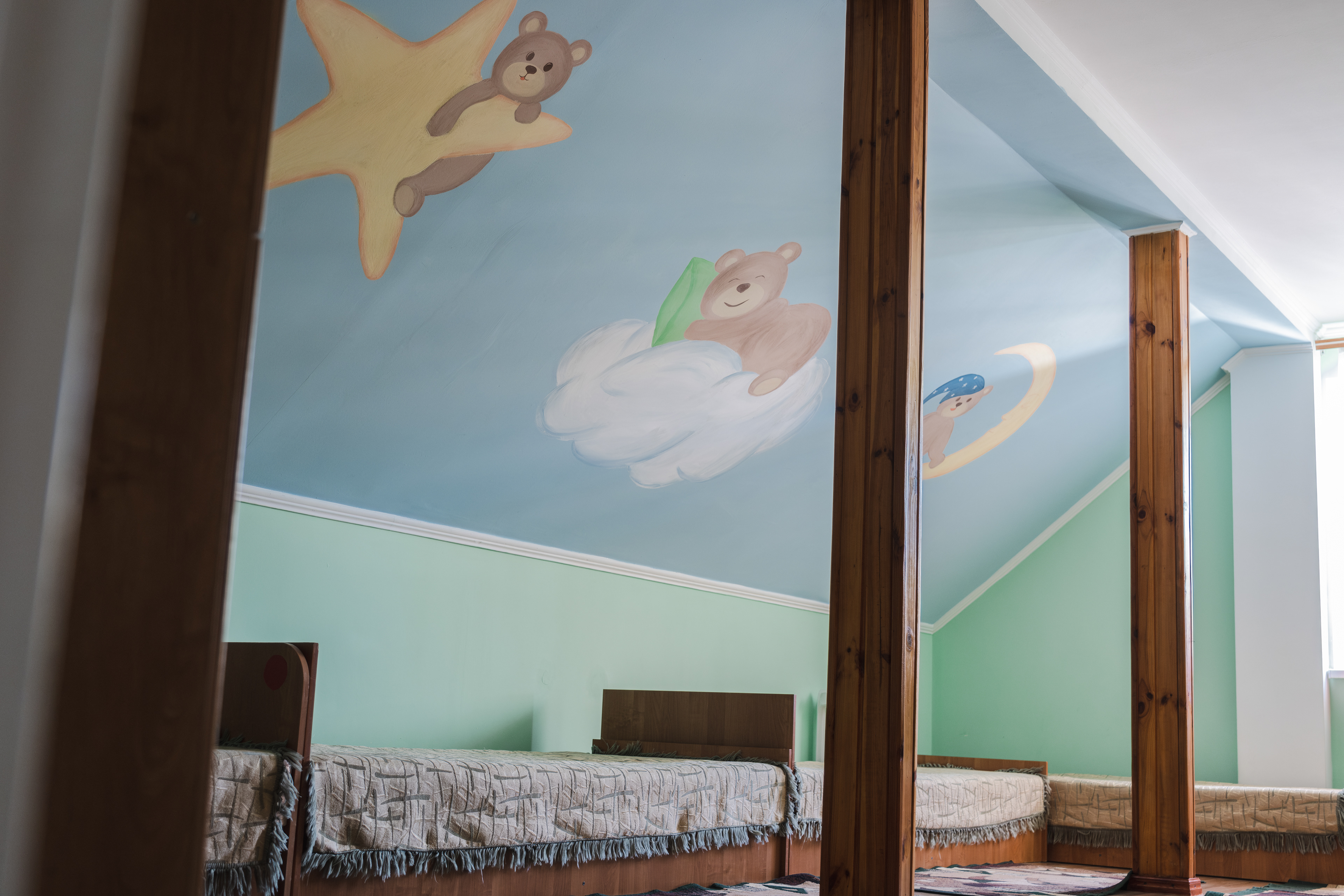
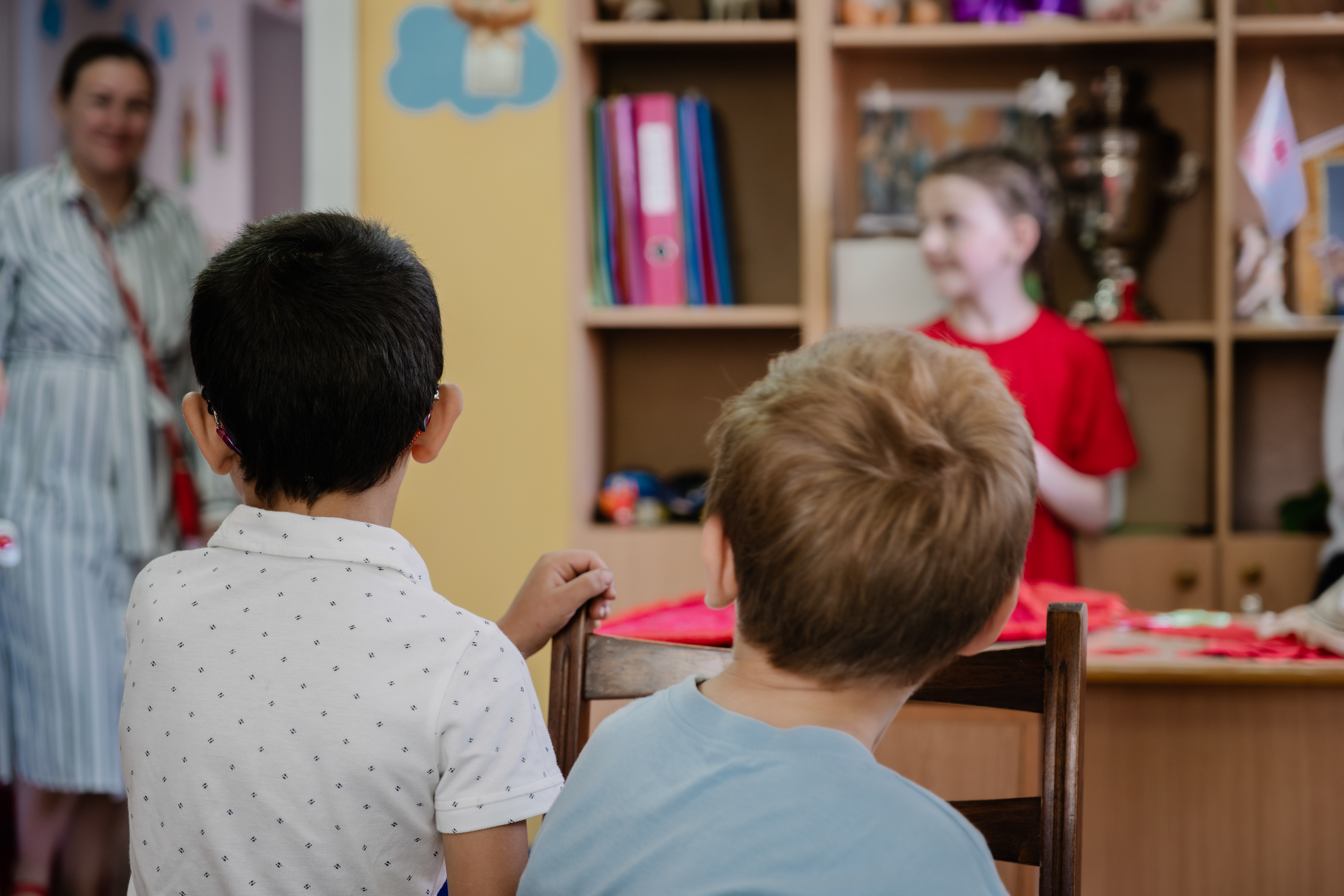
Ein Beispiel dafür ist das Zentrum "Petrushka". Sechs Jugendliche können hier rund um die Uhr wohnen, 35 weitere Kinder besuchen täglich das Tageszentrum. Die Schützlinge sind zwischen sechs und 25 Jahre alt und kommen von der Straße, aus Heimen oder ärmsten Familienverhältnissen. Die Buben und Mädchen können hier in Ruhe und mit Unterstützung erfahrener PädagogInnen ihre Hausaufgaben machen, malen und basteln, Puppentheater spielen oder den PC-Workshop besuchen. In der warmen Jahreszeit stehen ihnen der hauseigene Spielplatz und die Parks der Stadt offen.
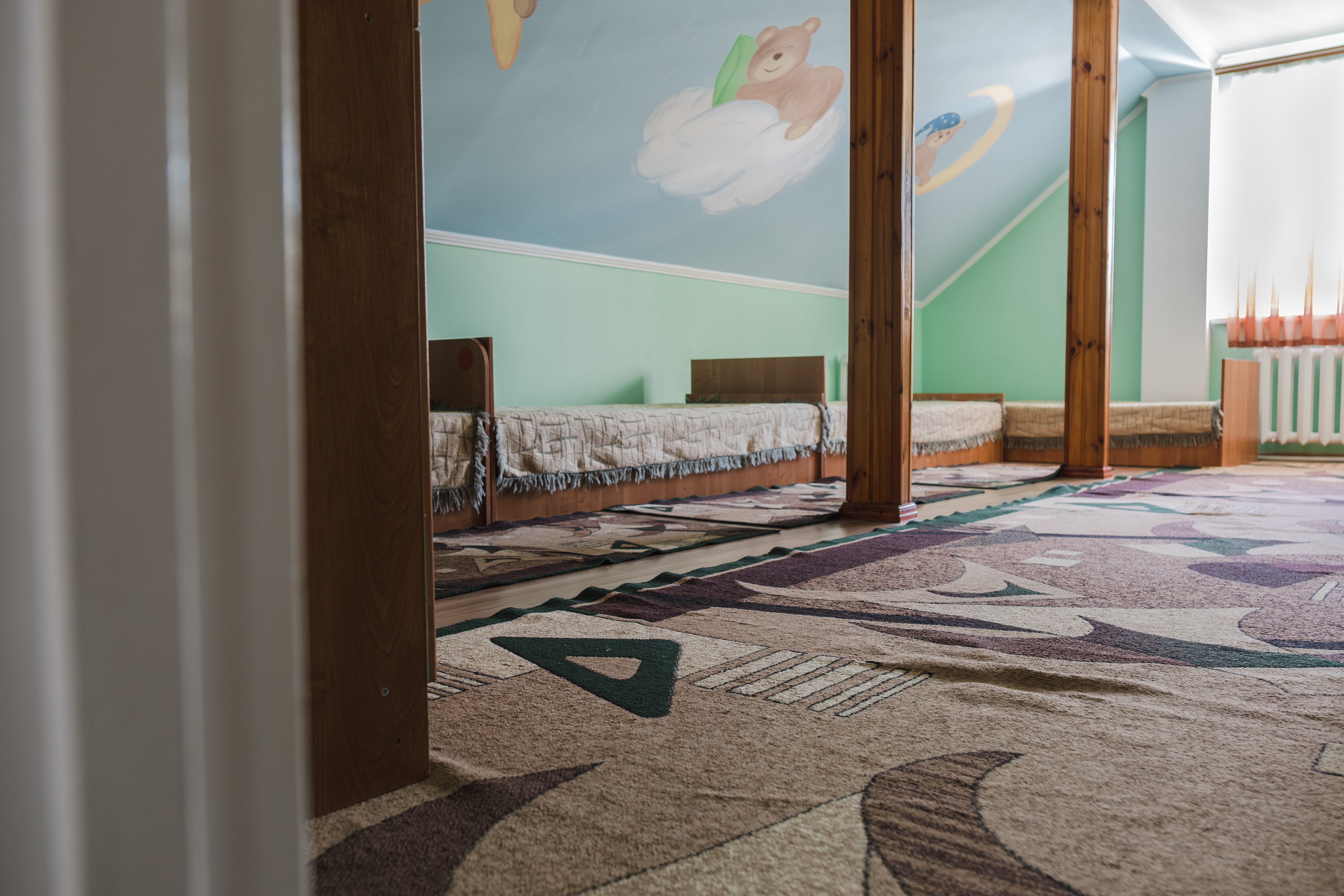
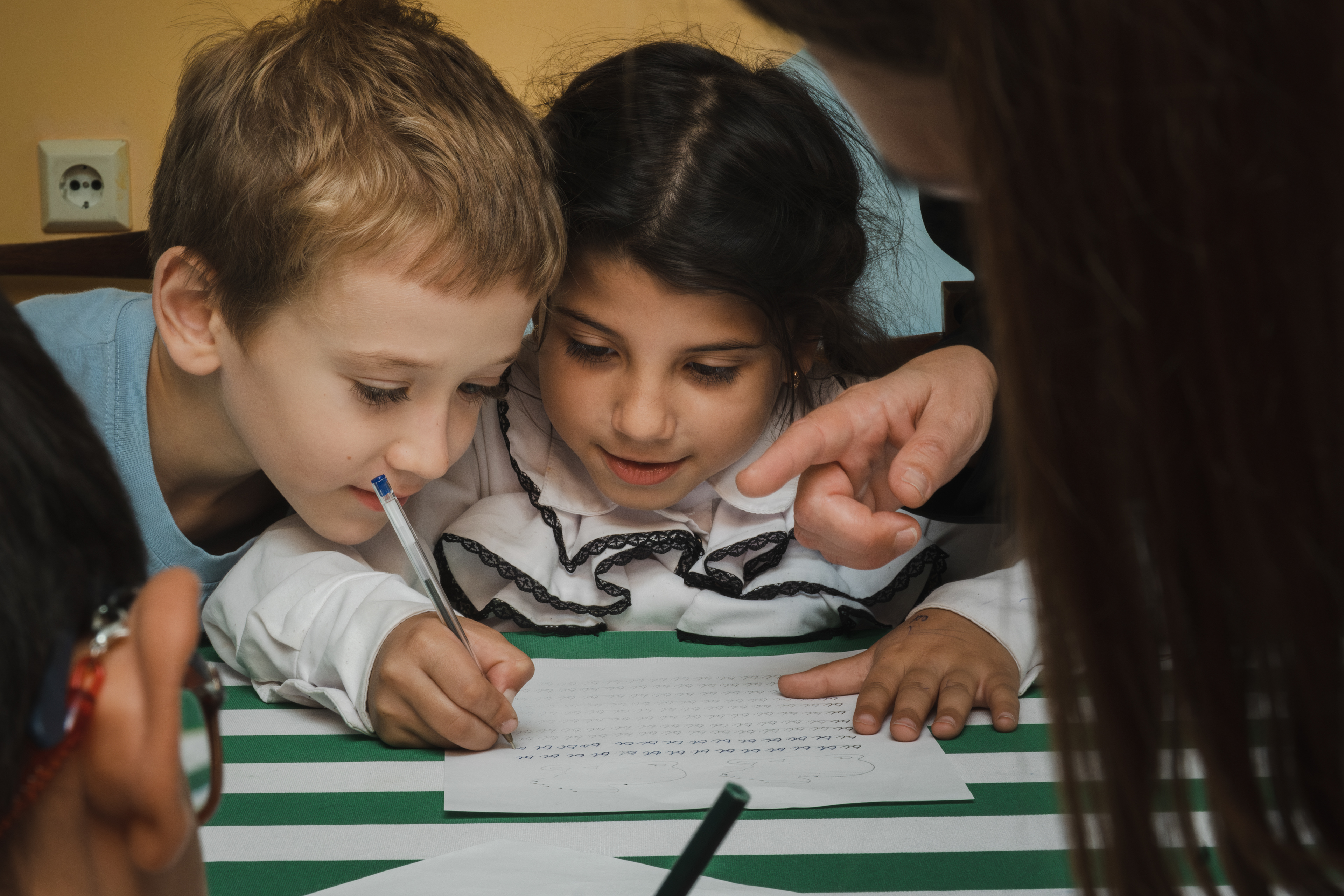
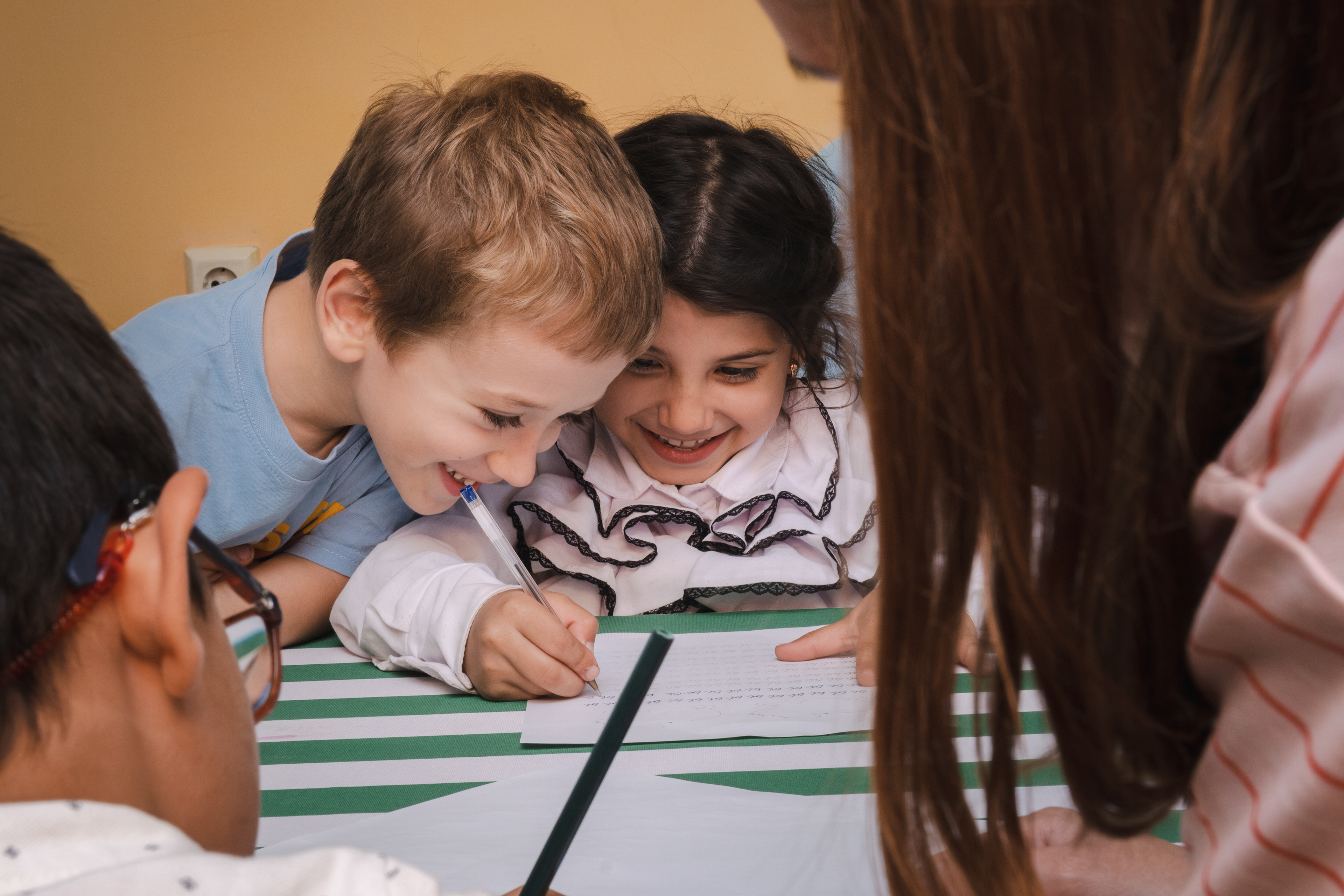
Auch Mischa und Sascha kommen täglich ins Zentrum "Petruschka". Sie leben mit ihren Eltern in einem 17 Quadratmeter kleinen Zimmer. Zum Hausaufgaben-Machen ist für die Kinder daheim kein Platz. Im Haus "Petruschka" erhalten sie ein warmes Mittagessen, Lernhilfe, psychologische und medizinische Betreuung sowie ein geregeltes Freizeitprogramm. Wenn im Winter daheim die Heizung nicht funktioniert, verbringen die Kinder häufig auch die Nacht im Kinderzentrum.
Zusätzlich sind an das Haus "Petruschka" noch sogenannte "Social apartments" angeschlossen. Das sind drei Zimmer mit Kochnischen, in denen jeweils zwei Jugendliche aus sozial benachteiligten Familien für die Zeit ihres Studiums oder ihrer Berufsausbildung wohnen können. Die Sozialarbeiterin und die Psychologin aus dem Haus "Petruschka" begleiten diese Mädchen und Burschen auf ihrem Weg in die Selbstständigkeit durch ein breit gefächertes "Life skills"-Programm und helfen ihnen bei Problemen im Alltag oder der Ausbildung. Zur Finanzierung ihres Lebensbedarfs erhalten die jungen Menschen ein kleines monatliches Stipendium.
Vier der insgesamt fünf Caring - Caritas Kinderzentren liegen in Transnistrien im Osten der Republik Moldau. Dort lebt im Schnitt jedes achte Kind in Armut. Das fehlende Einkommen hat Auswirkungen auf die Sicherheit, die gesunde, kindergerechte Entwicklung und das psychische Wohlbefinden der betroffenen Mädchen und Jungen. Fast ein Viertel der arbeitsfähigen Bevölkerung hat das ärmste Land Europas verlassen, um woanders zu arbeiten. Viele Kinder bleiben bei den Großeltern zurück - oder verlieren ihr Zuhause ganz. Vor diesem Hintergrund bieten die Kinderzentren die notwendige Unterstützung und Fürsorge für Kinder aus besonders armutsgefährdeten Verhältnissen. 310 Kinder und Jugendliche und 100 Eltern werden tagtäglich von den Mitarbeiter*innen der Kinderzentren betreut.
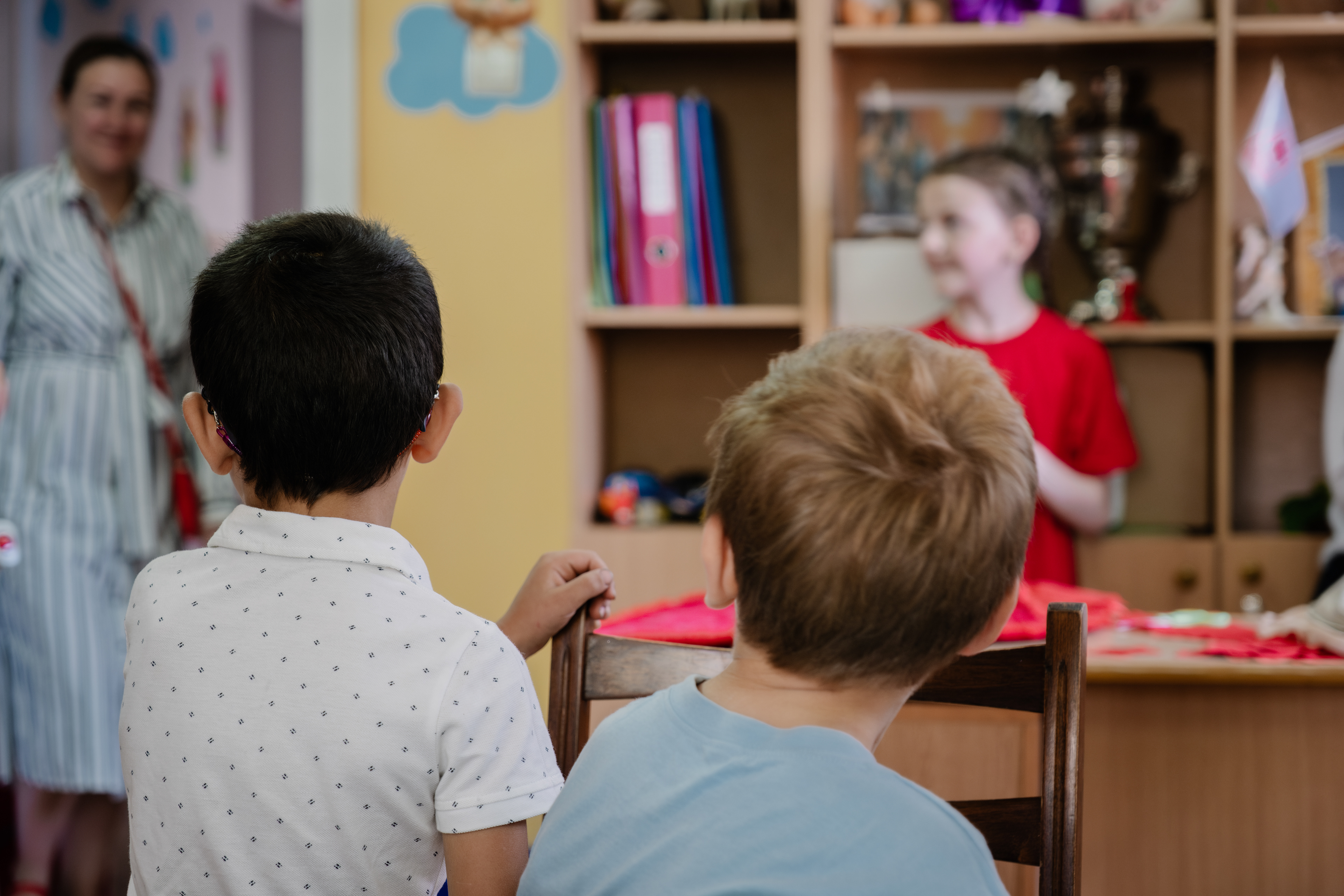
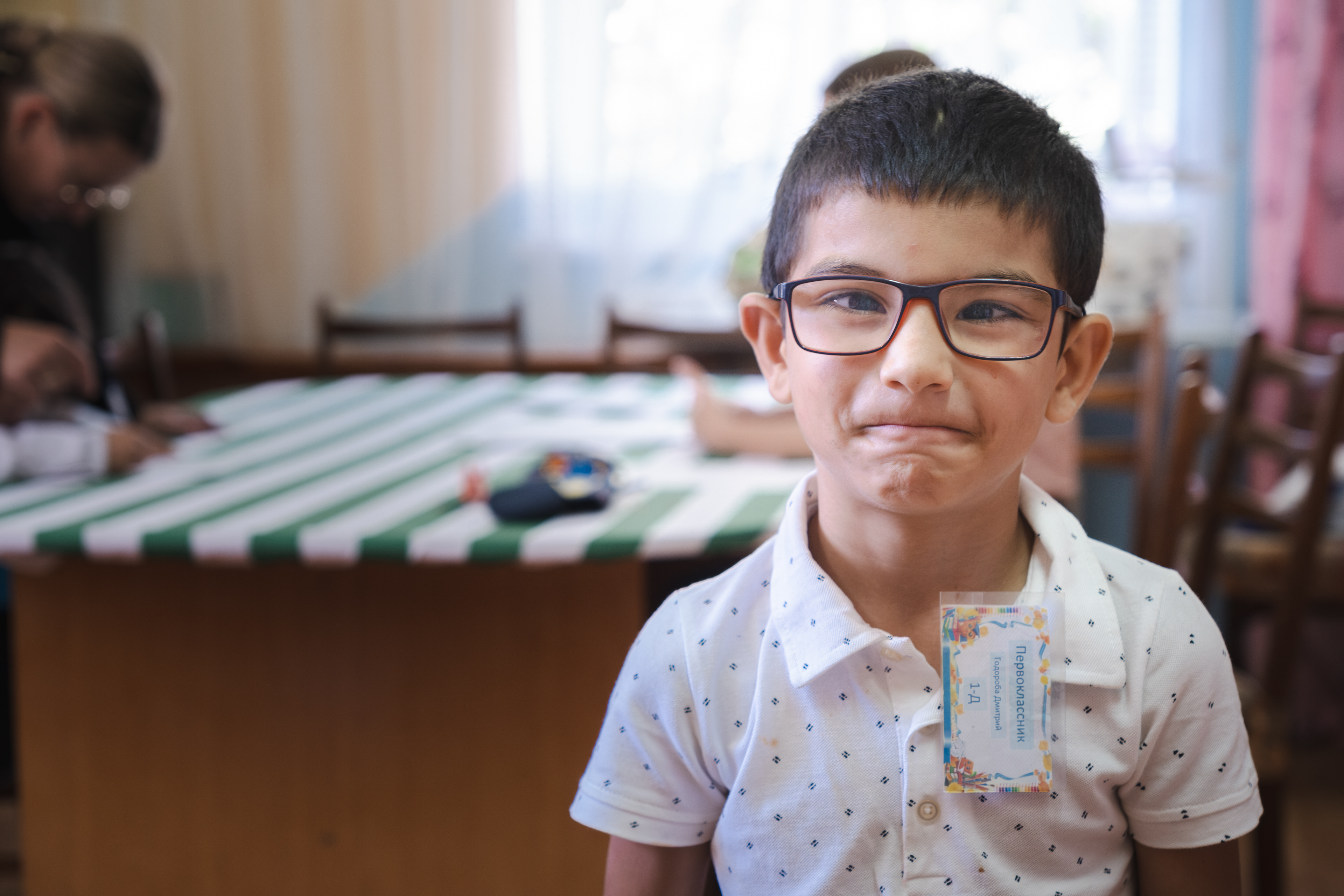
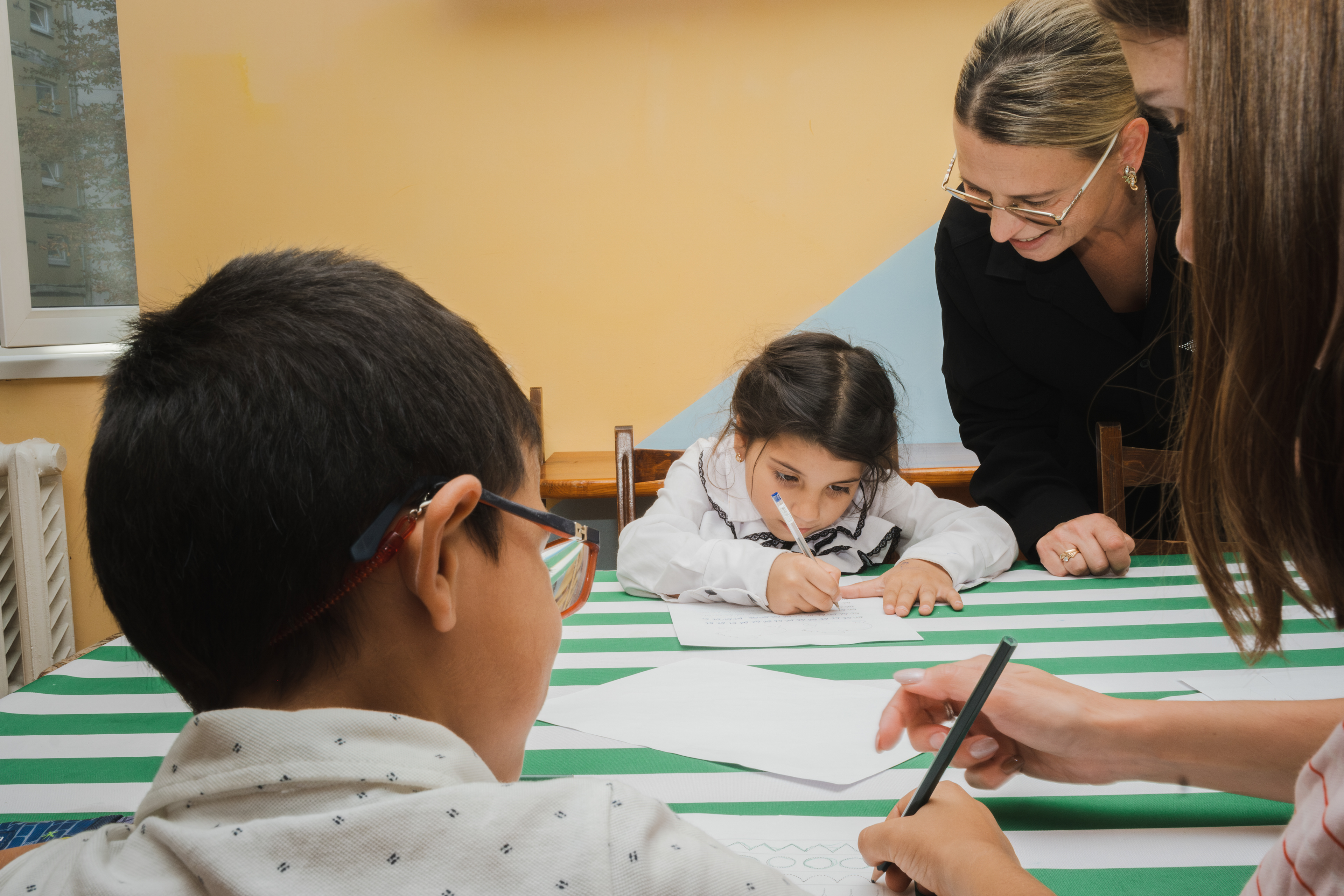
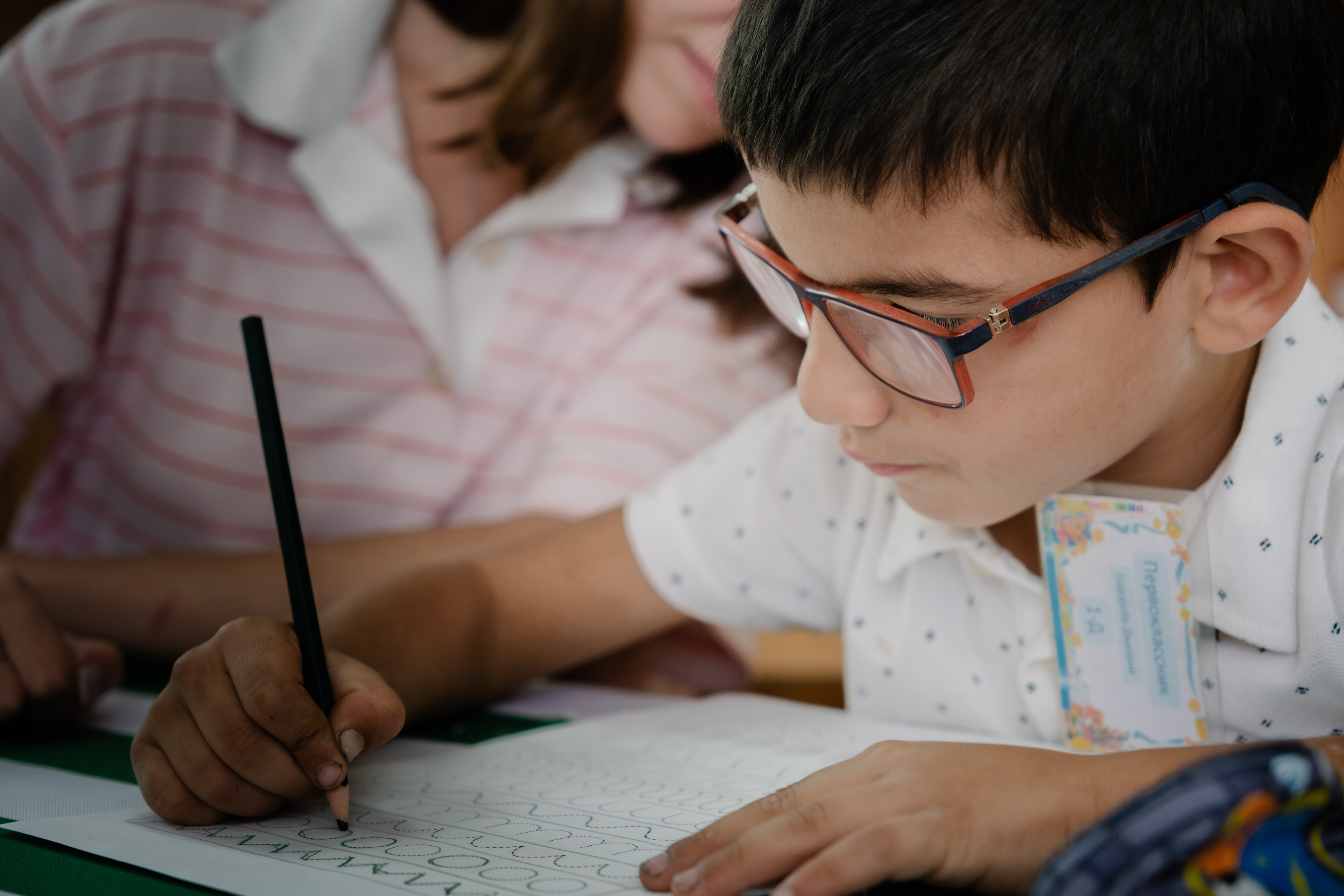
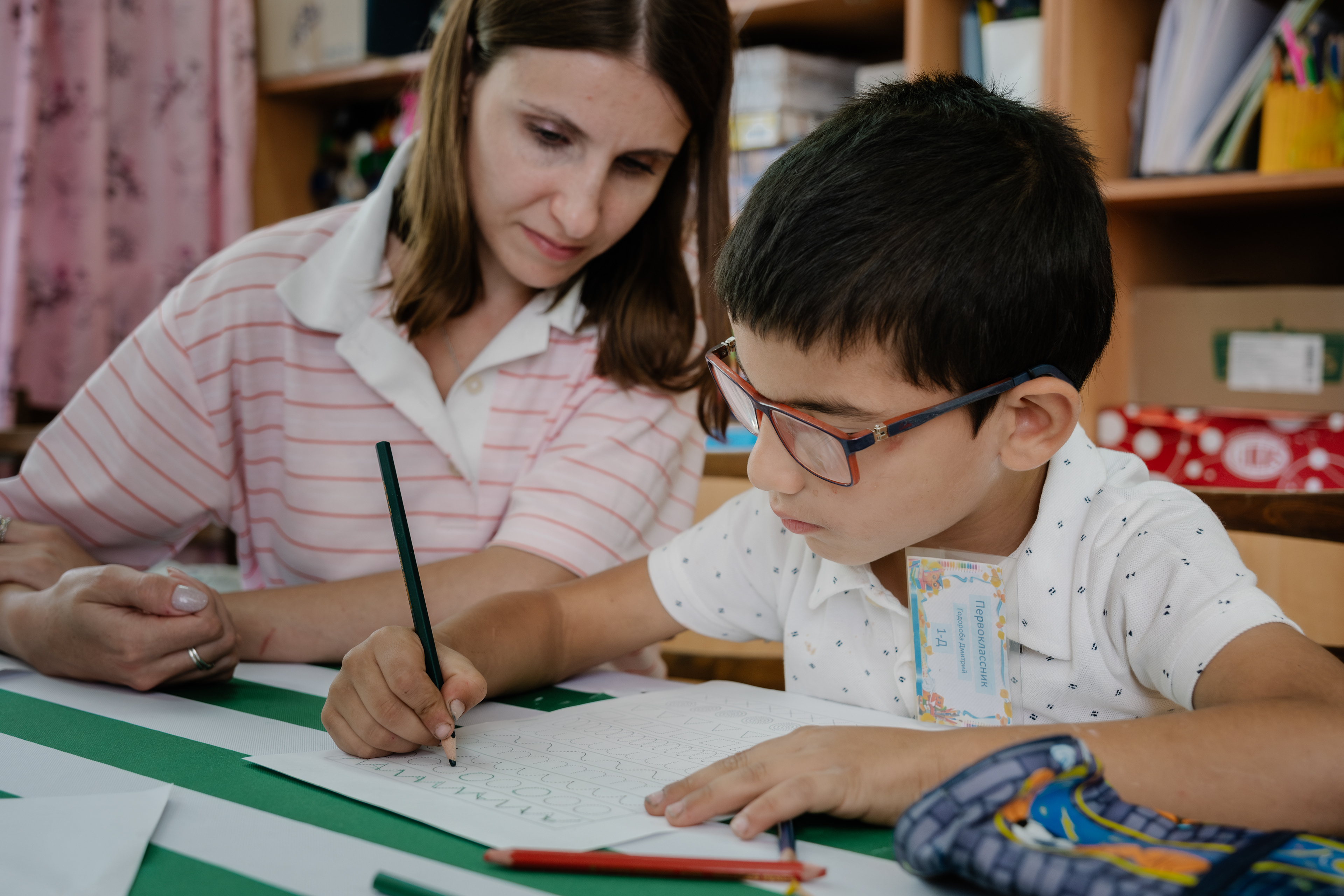
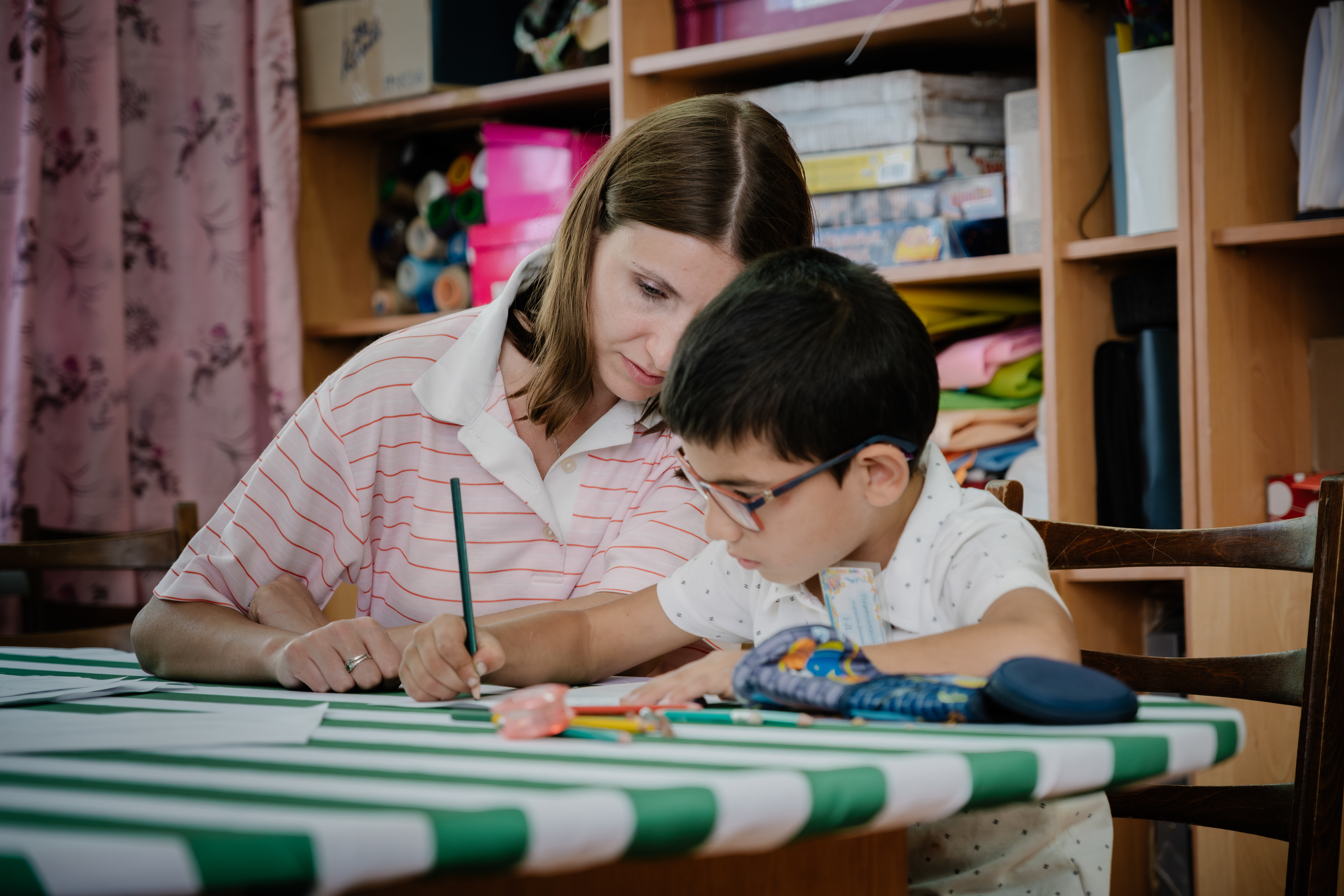
G. family
please change the names above is dimitry. and the Girl is Sonya
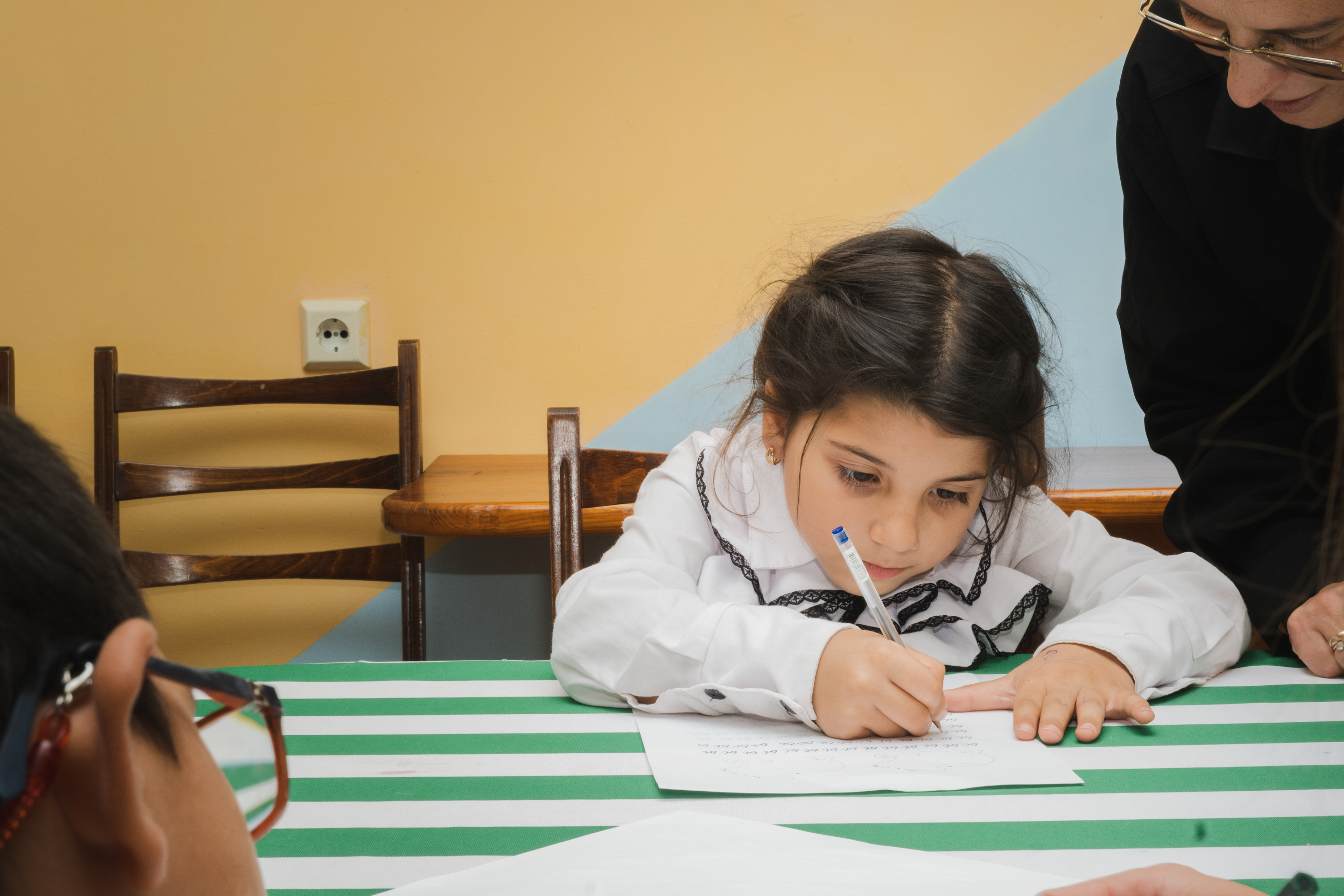
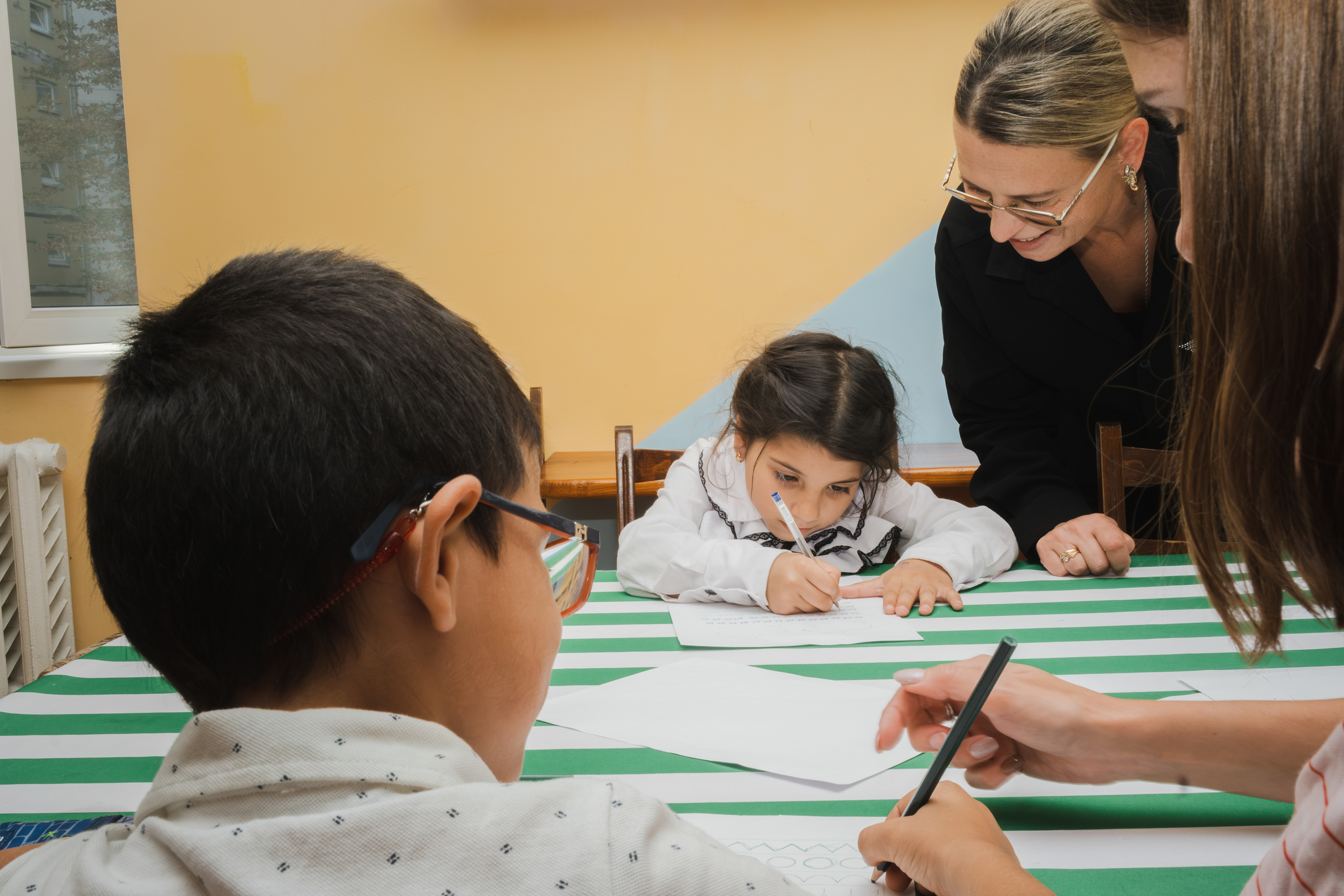
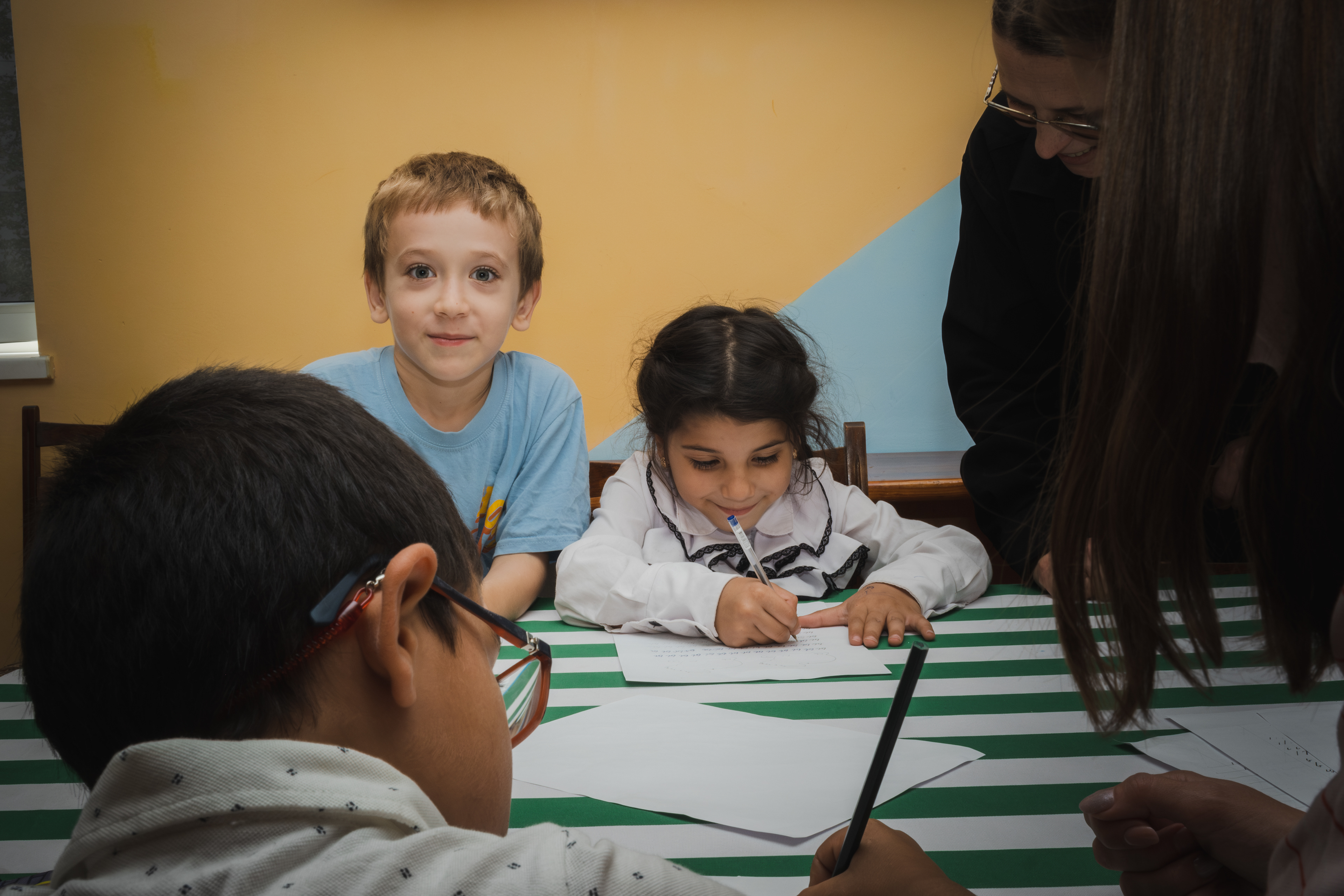
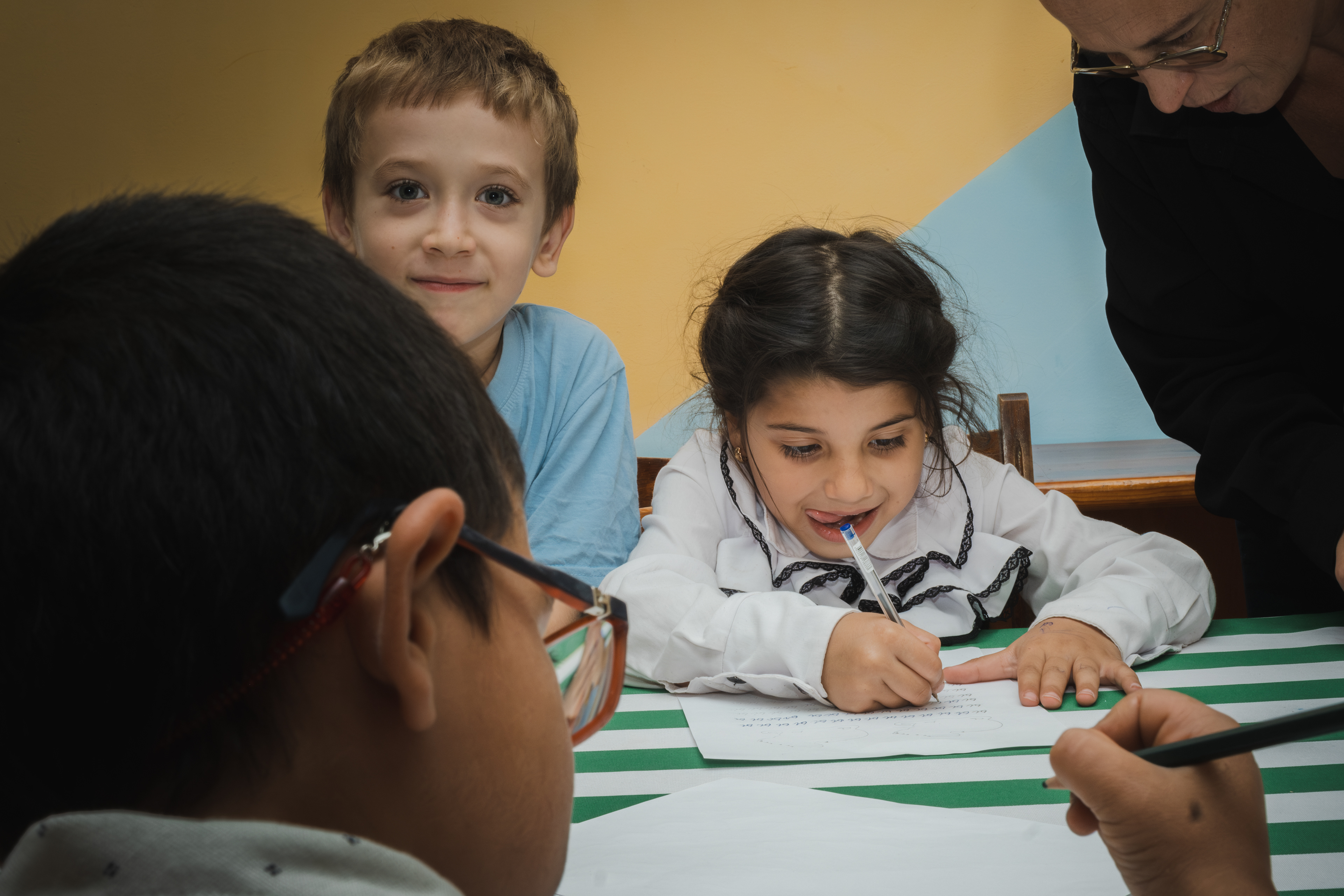
The family of Dmitry, Roma by nationality, has been supported by the Petrushka Children's Center for more than 10 years. There are 6 children in the family - from 1 to 17 years old, since this family is from the category of large, low-income and disadvantaged, all children are beneficiaries of our center.
The father does not work and is visually impaired. The mother does not work, periodically leaves the family, and leads an immoral lifestyle. Parents often drink and children are left unattended. They do not take part in education and upbringing, which is why two children have already been sent to boarding school.
The whole family lives in one room with a shared kitchen and bathroom.
The eldest daughter Elena is 17 years old. Graduate of a specialized boarding school for children with intellectual disabilities. She does not want to continue her studies. Periodically earns extra money by working seasonally. The Petrushka Children's Center agreed on Elena's participation in the state career guidance program (free acquisition of a profession). Elena has a difficult relationship with her parents, so from time-to-time Elena spends the night in “Petrushka”.
Another Daughter Sabrina is 11 years old. She is also a boarding school student, has speech therapy problems, and speech impairment, and needs professional help from a speech therapist. Sabrina is active, loves to be noticed, enjoys taking part in stage performances, is responsible towards her younger brothers and sisters, but has problems communicating with other children.
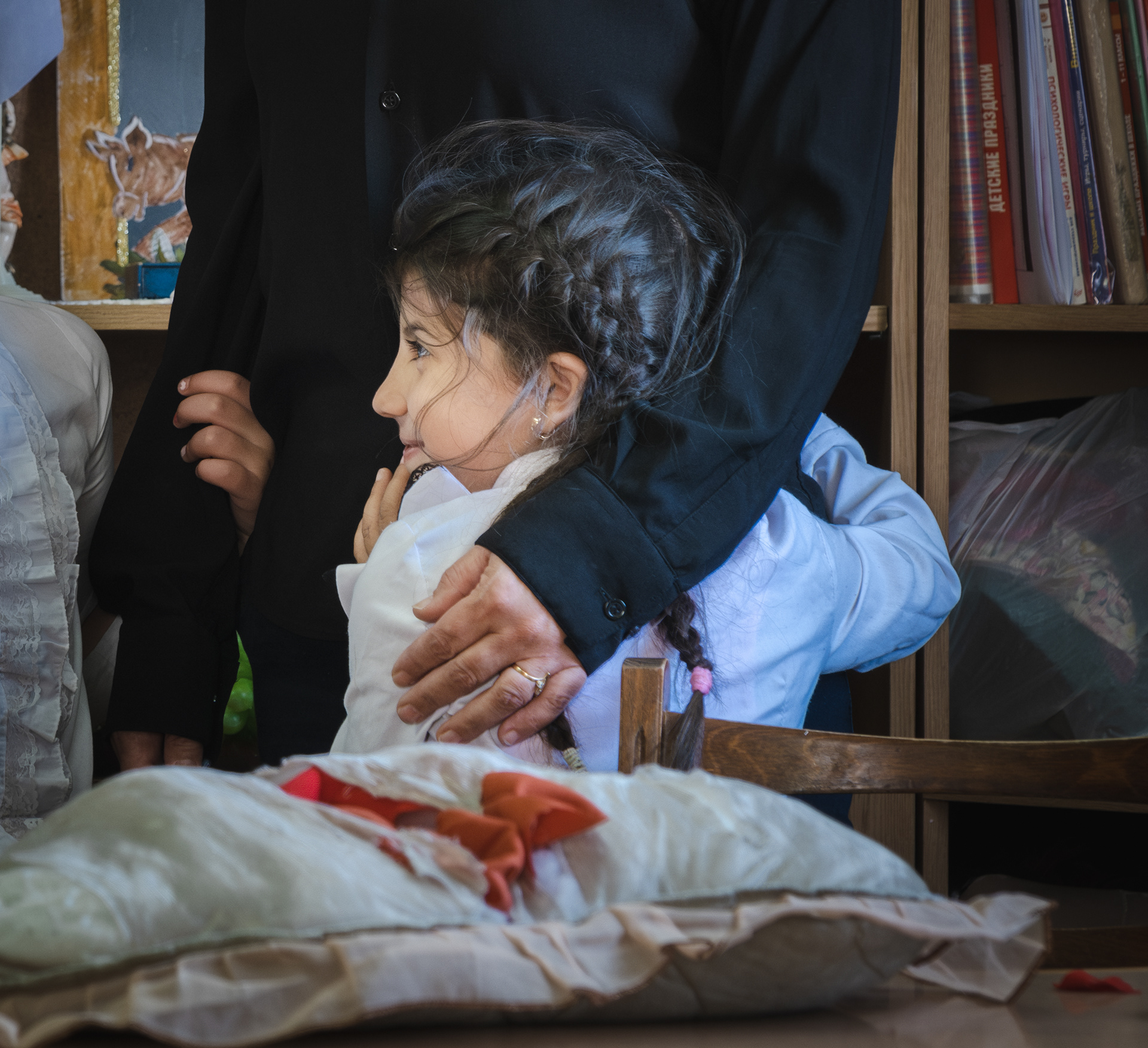
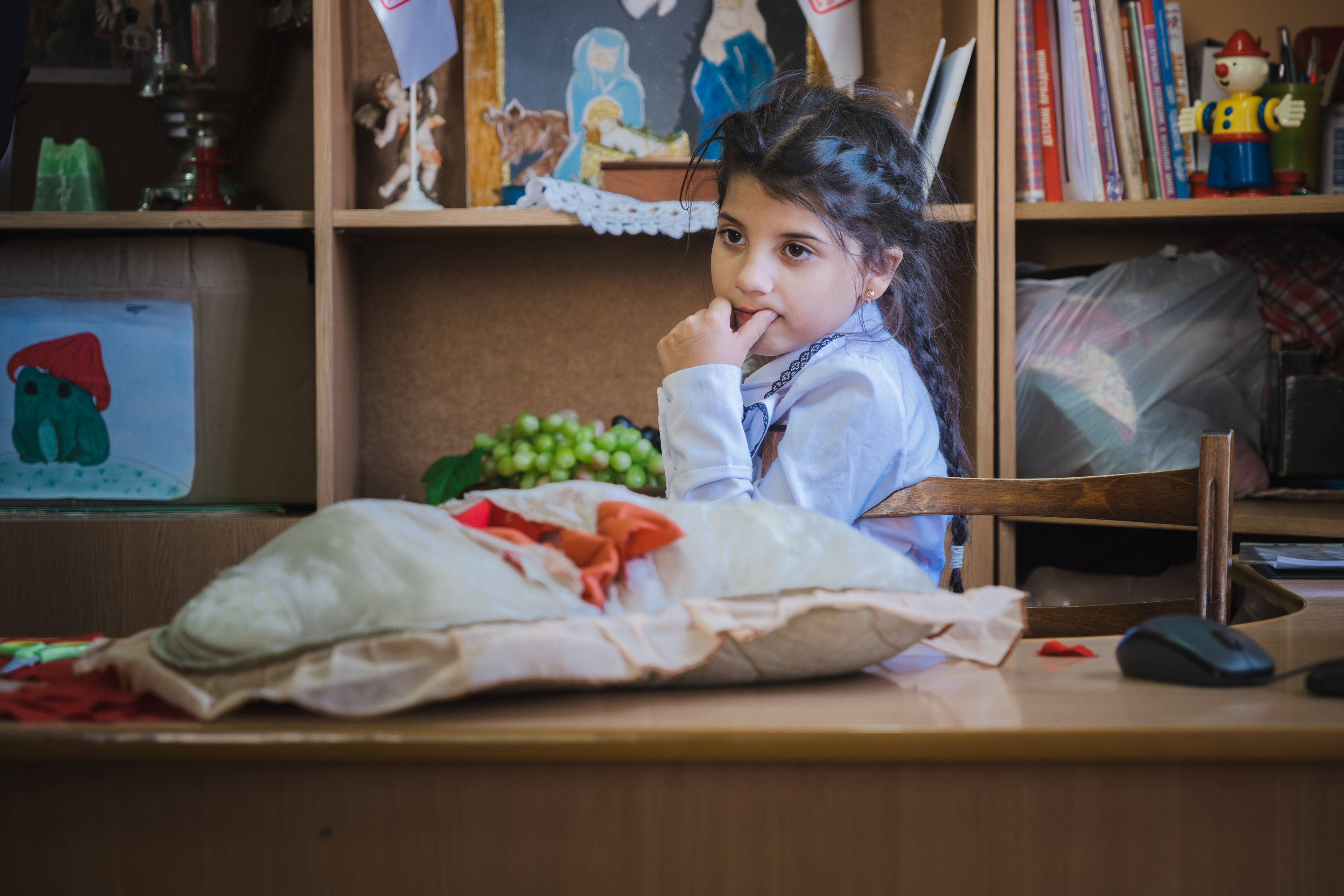
Daughter Sonya is 7 years old. 1st grade secondary school student. Active, artistic, pedagogically neglected, has problems with being attentive and emotional stable, poorly motivated to study, has a tendency to steal.
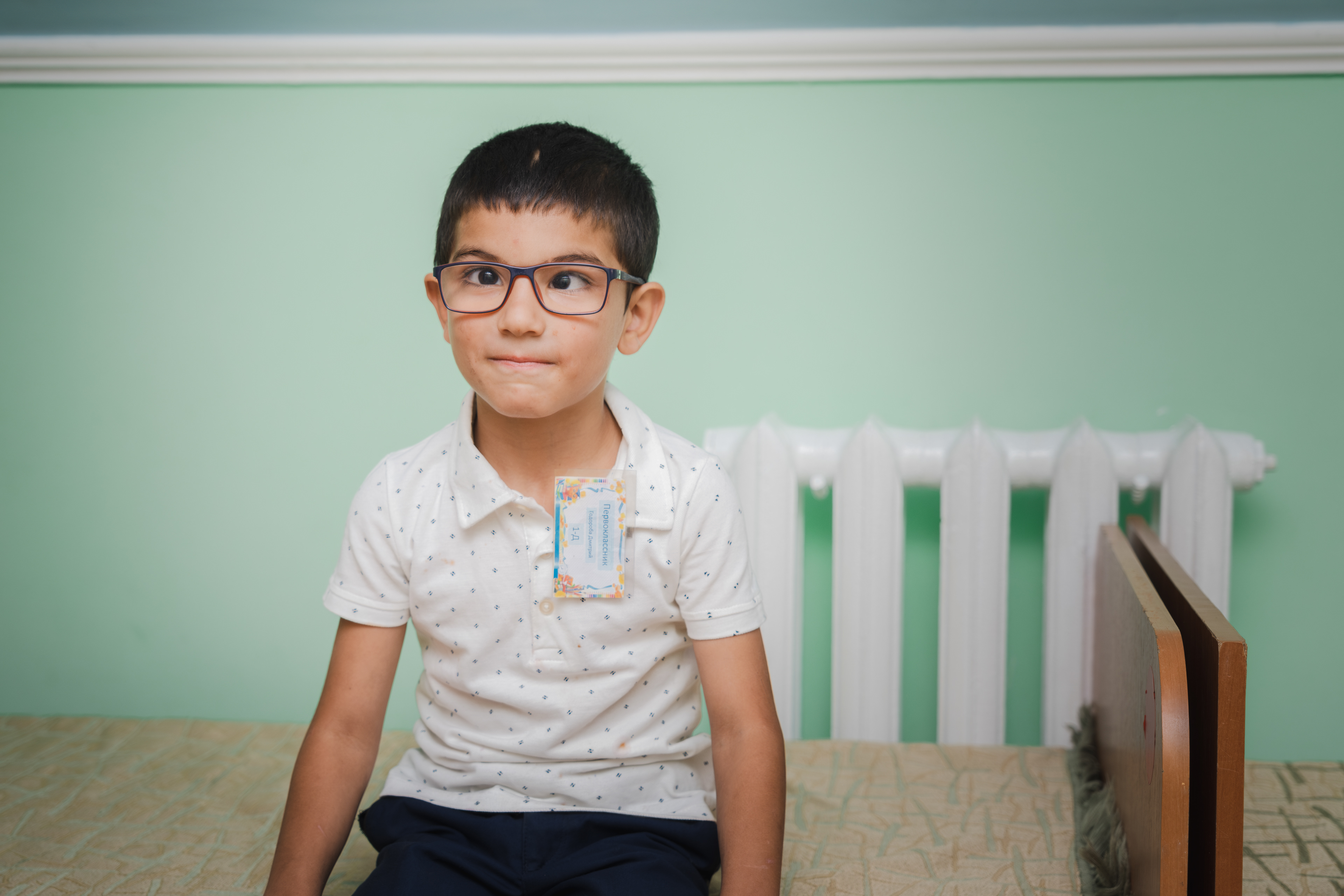
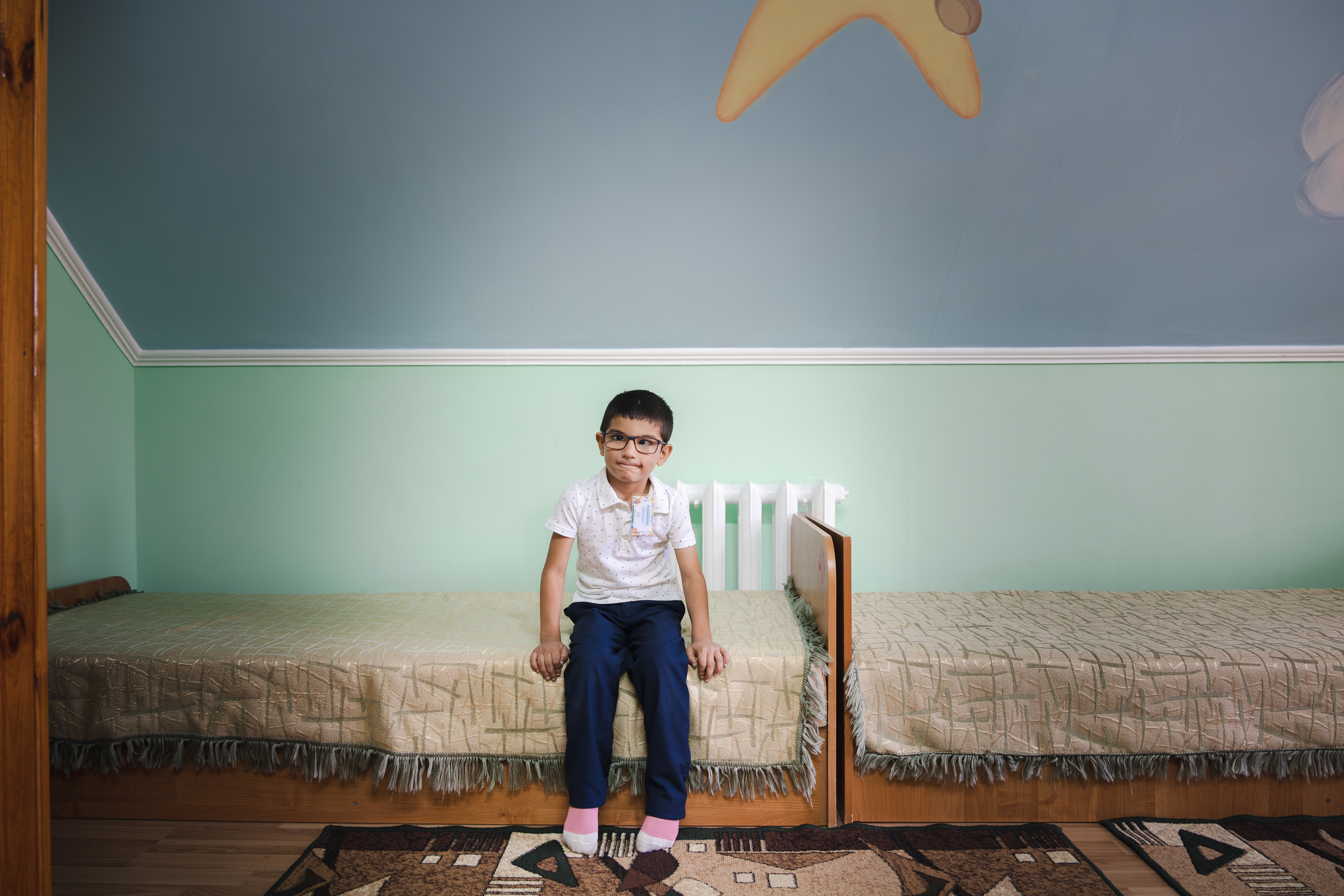
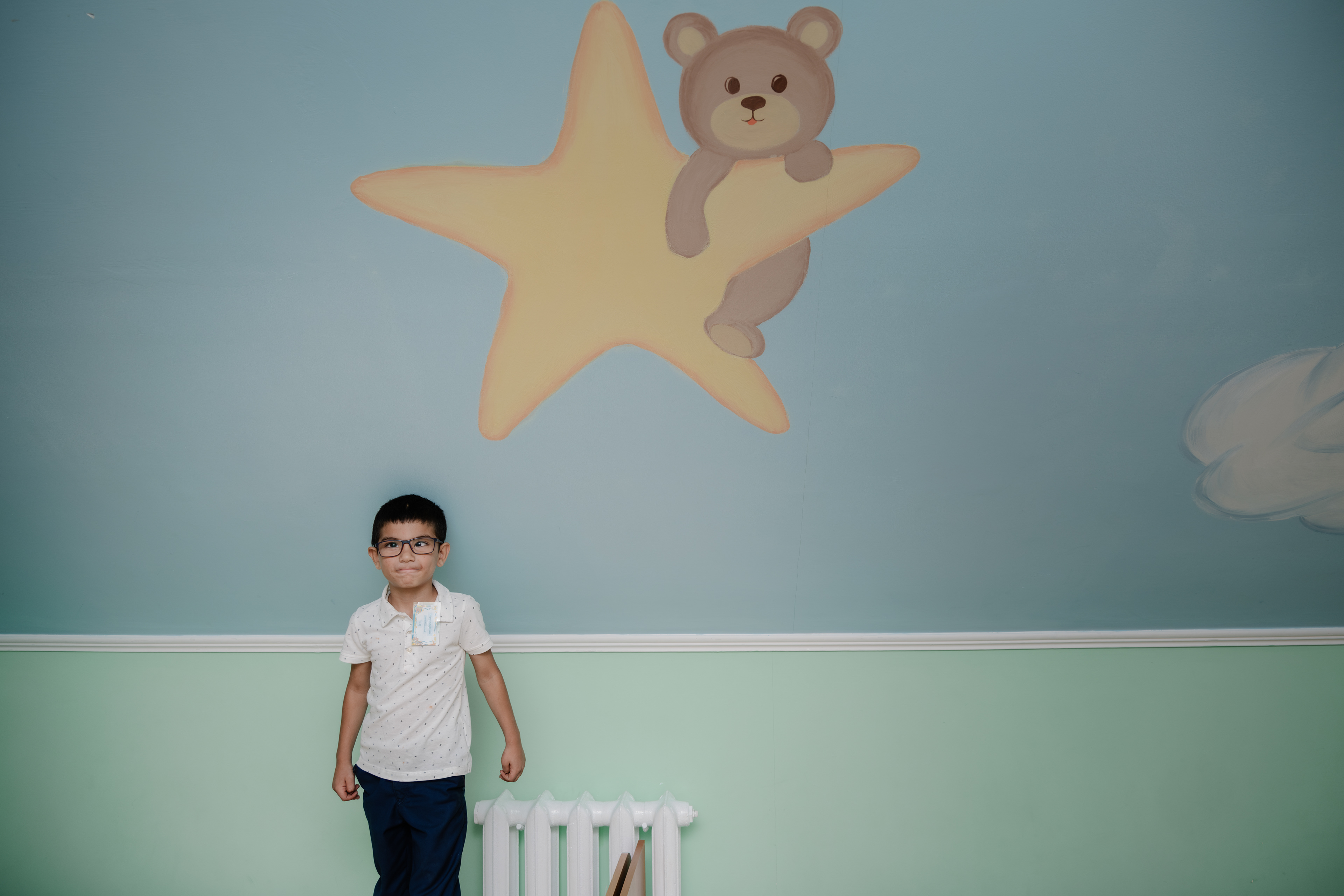
Dmitry is the fourth child in the family. The boy is active, cheerful, intelligent, but pedagogically neglected. In 2023, he entered first grade. A big problem for successful learning is a physical disability, namely: “High degree hyperopia, concomitant converging alternating strabismus up to 60 degrees. (severe squint, low vision). In addition to the fact that it is difficult for him to read and write, communication with peers is a big problem. Children laugh, tease, offend and mock. Dmitry begins to develop complexes, he withdraws and loses self-confidence.
Since the parents did not react to the complexity of the situation, the center staff began to solve the problem on their own. Petrushka Children's Center consulted a specialist doctor, who made a diagnosis and recommended a more in-depth examination at a paid clinic. Father Peter found funds, and after an examination, at the initial stage, the child was recommended treatment and special glasses, which were also paid for by Father Peter, the cost of which was beyond the family’s means. Due to his age and hyperactivity, expensive glasses did not last long. There is no opportunity or money to constantly change glasses.
The only solution, on the doctor's recommendation, is surgery on the left eye. This is a paid operation, which is not carried out in Transnistria due to the lack of specialists. The closest place where preoperative examination and the operation itself can be carried out is the city of Chisinau.
At this stage, Petrushka Children's Center are looking for funds to help the child, since, according to doctors, the situation will only get worse...
The family has two other small children, 3 and 5 years old. For as long as family members are beneficiaries of the Petrushka Centre, children are regularly provided with material assistance, clothes, shoes, school supplies, food and accommodation (since they spend the night in Petrushka), where possible, medical assistance is provided and psychological and social support is provided to the family.
To improve living conditions, a washing machine, a sofa were purchased, and a new entrance door was installed.
The G. family is under the close supervision of the guardianship authorities, but thanks to the services of the Petrushka Children's Centre, the children remain in the family for the time being and the family is preserved.
The G. family's children look forward to come to the Petrushka Center because they feel safe, secure, at ease, and needed at the centre. The G. children have opportunity for growth, development and learning in Petrushka centre. For all the G. children, Petrushka centre is a second home.
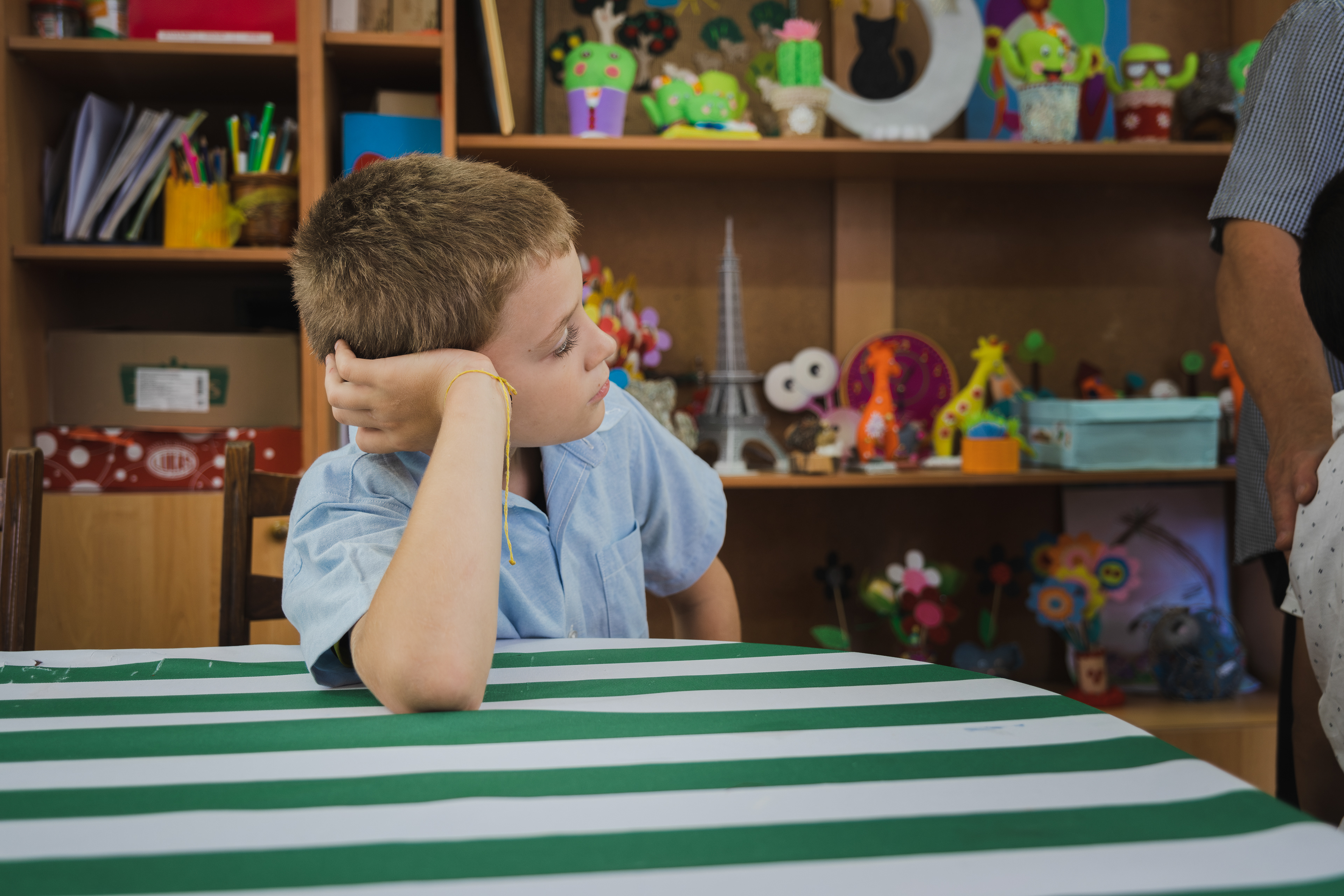
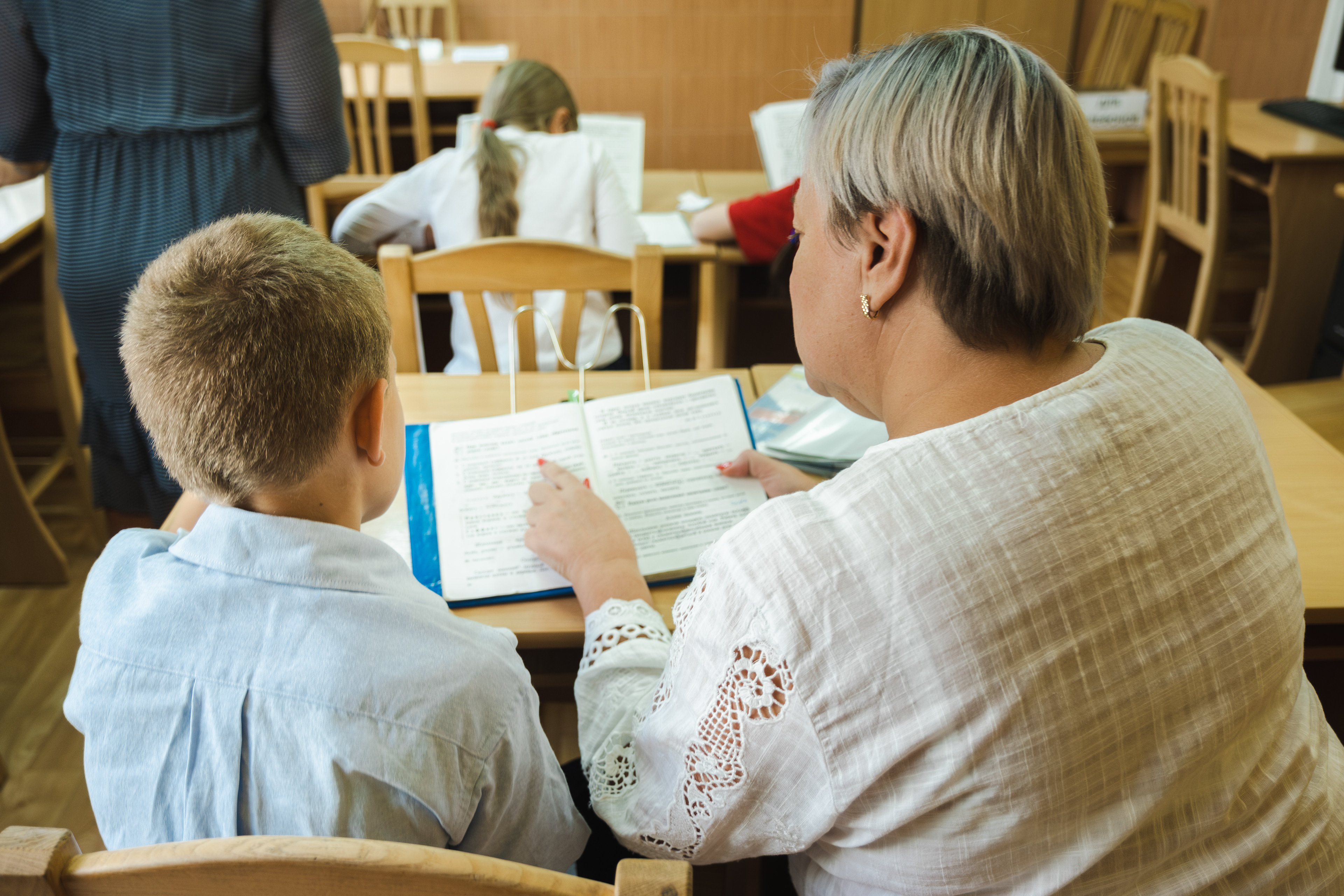
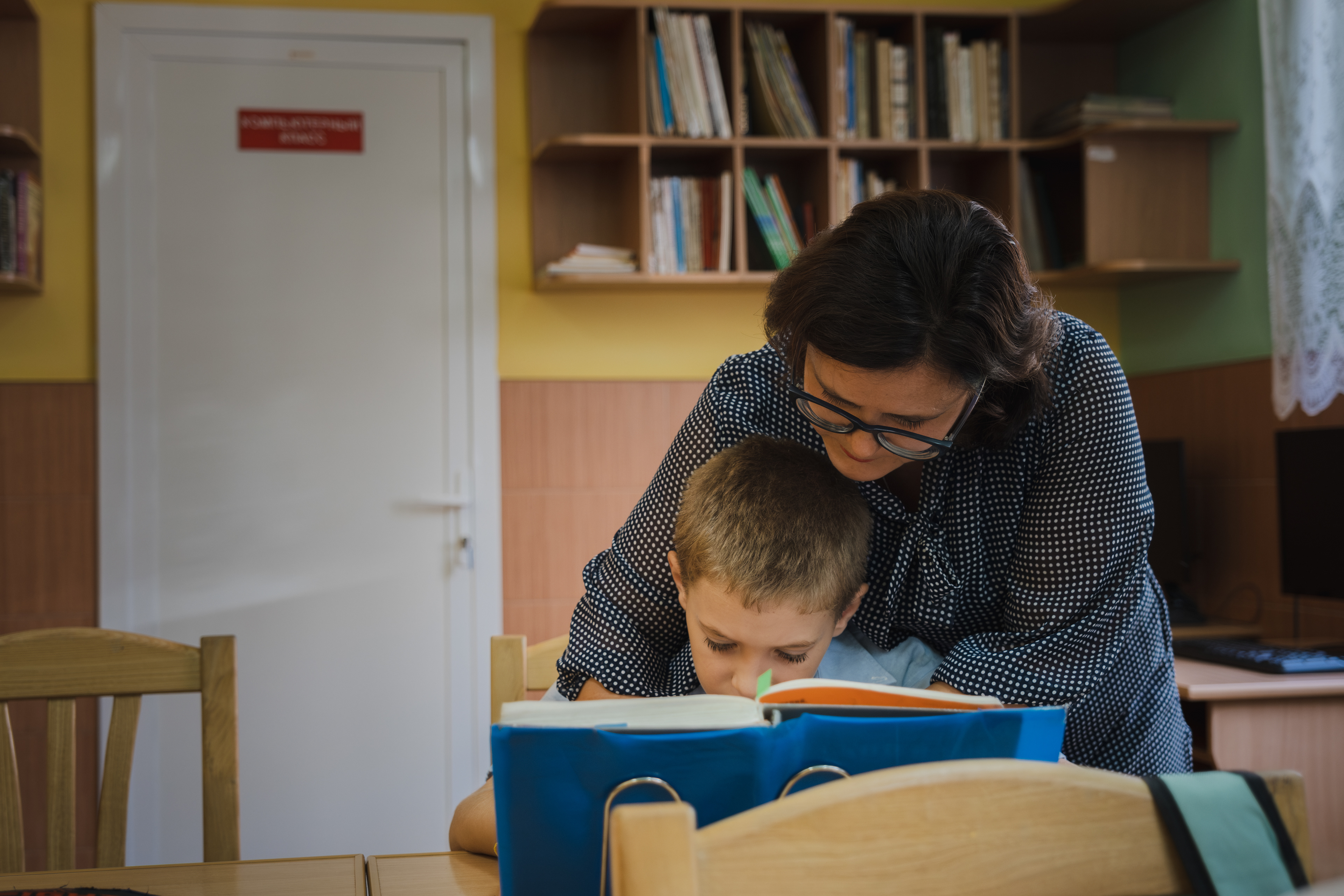
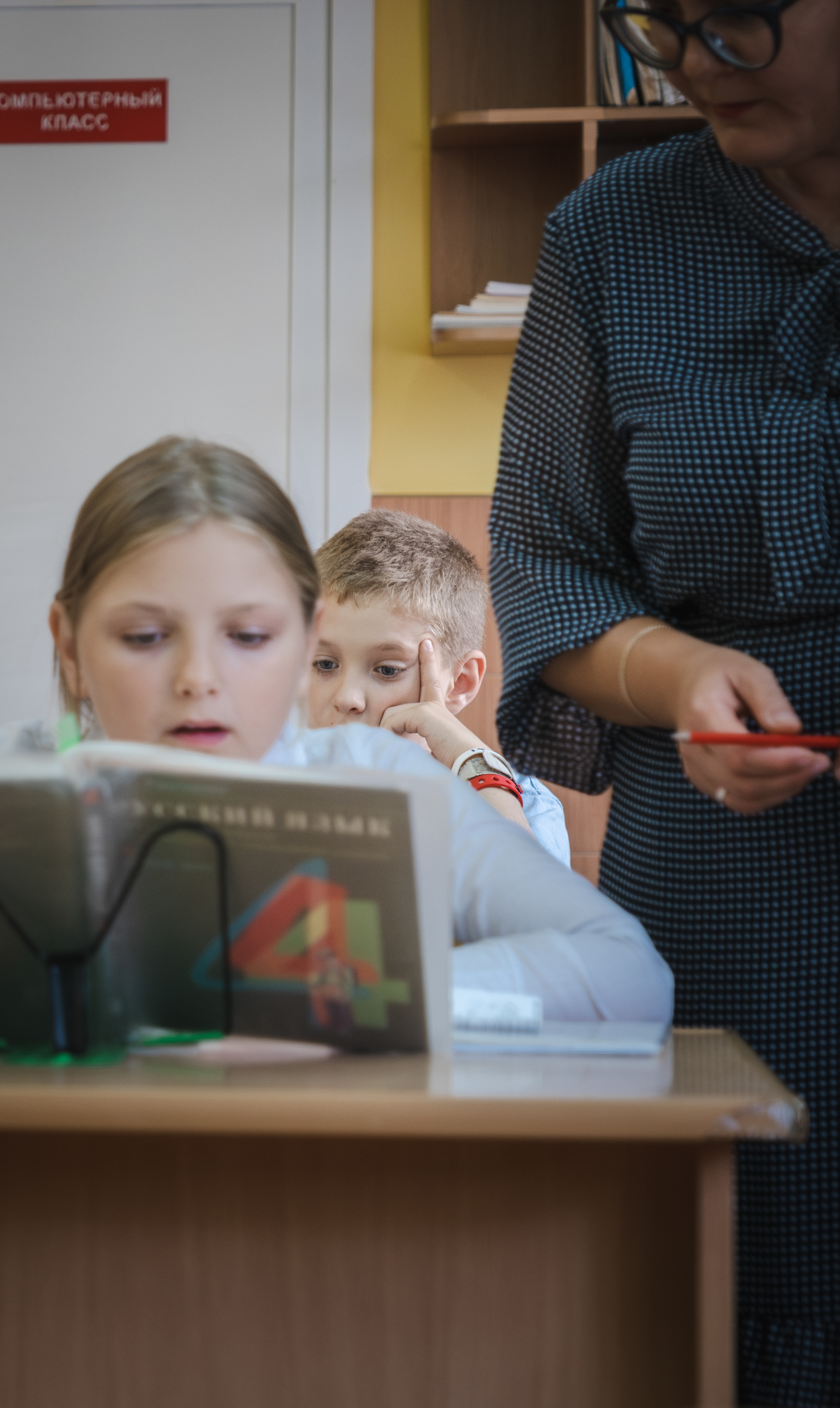
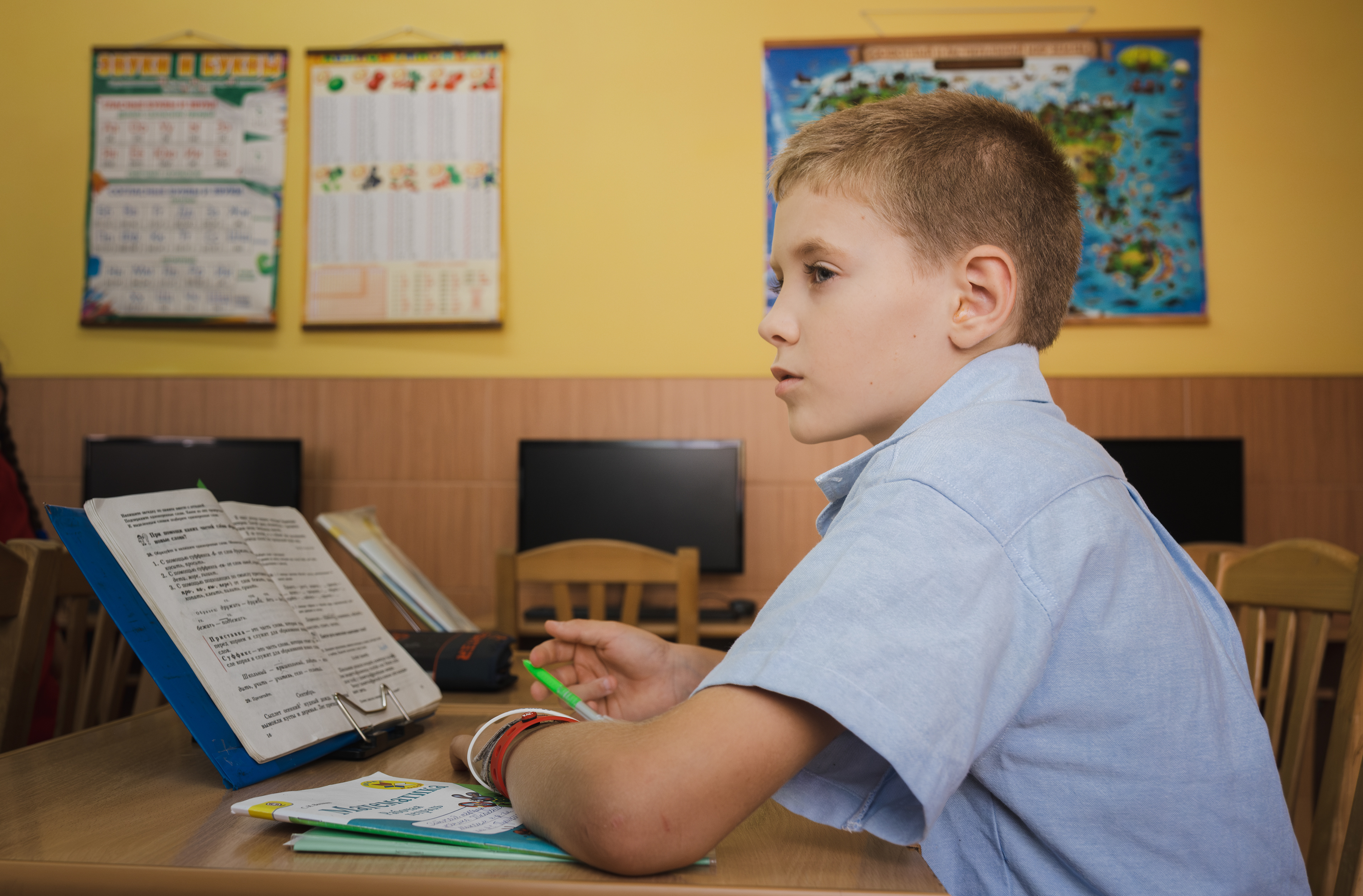
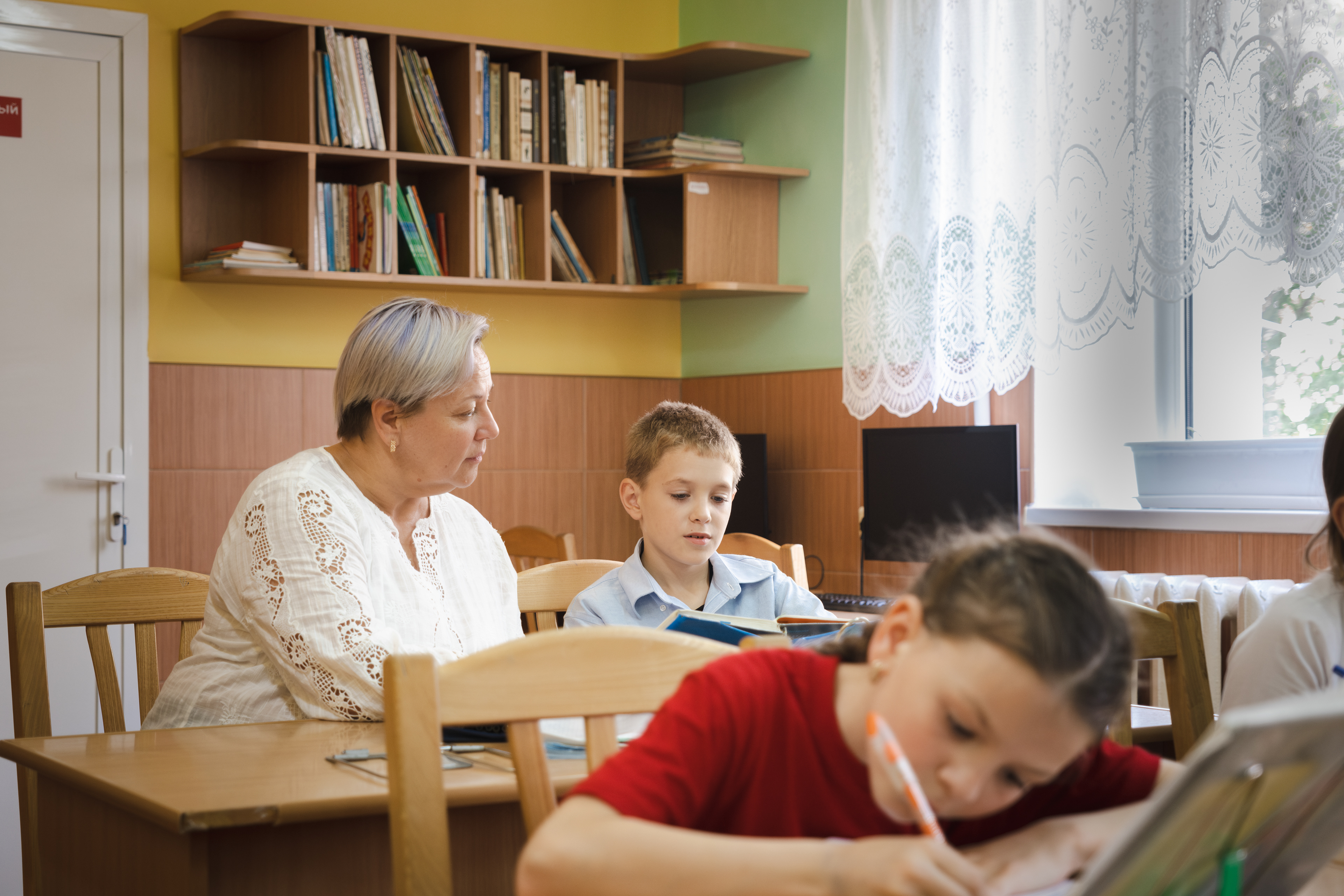
That is Maxim and the story of him and his brother is underneath 👇
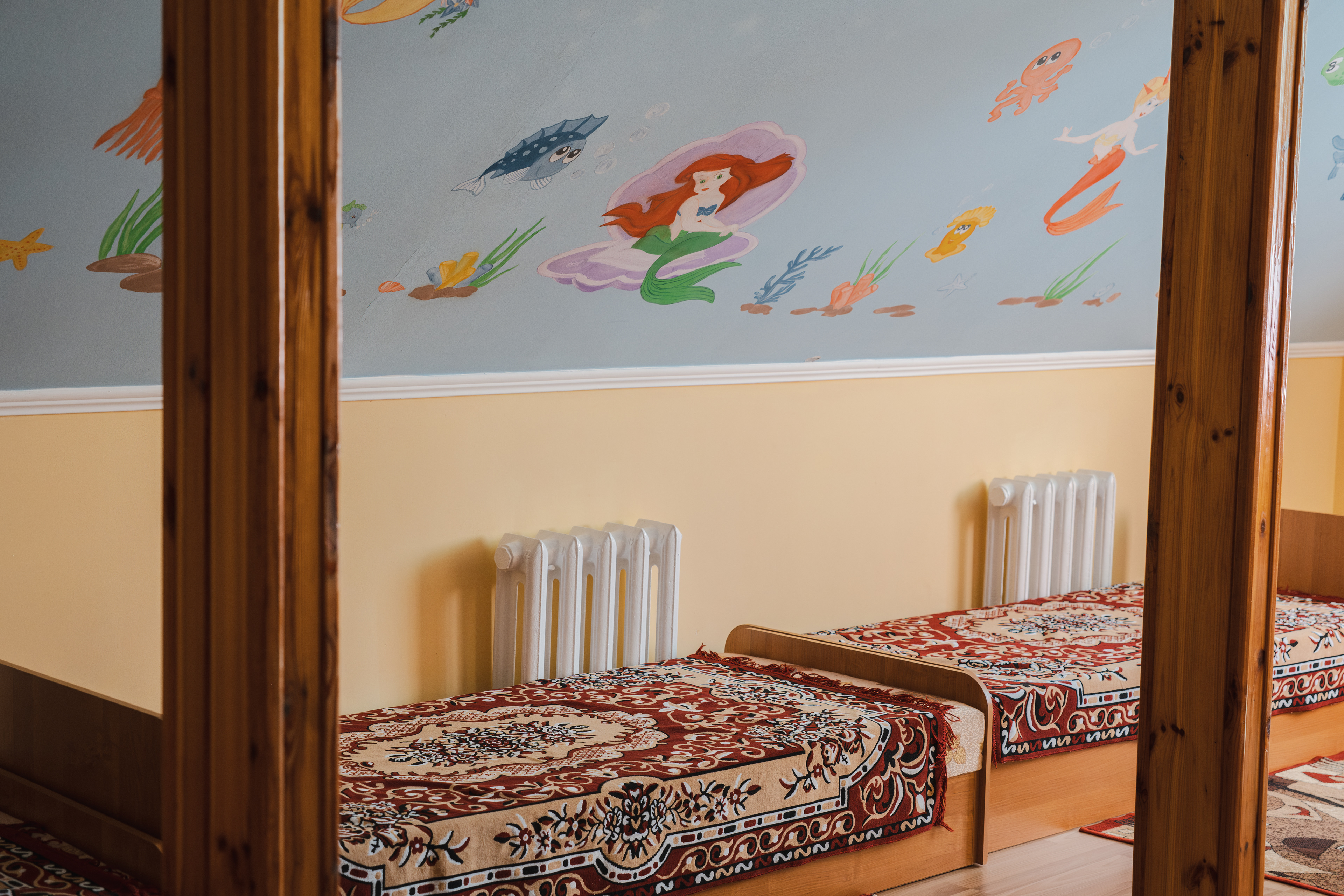
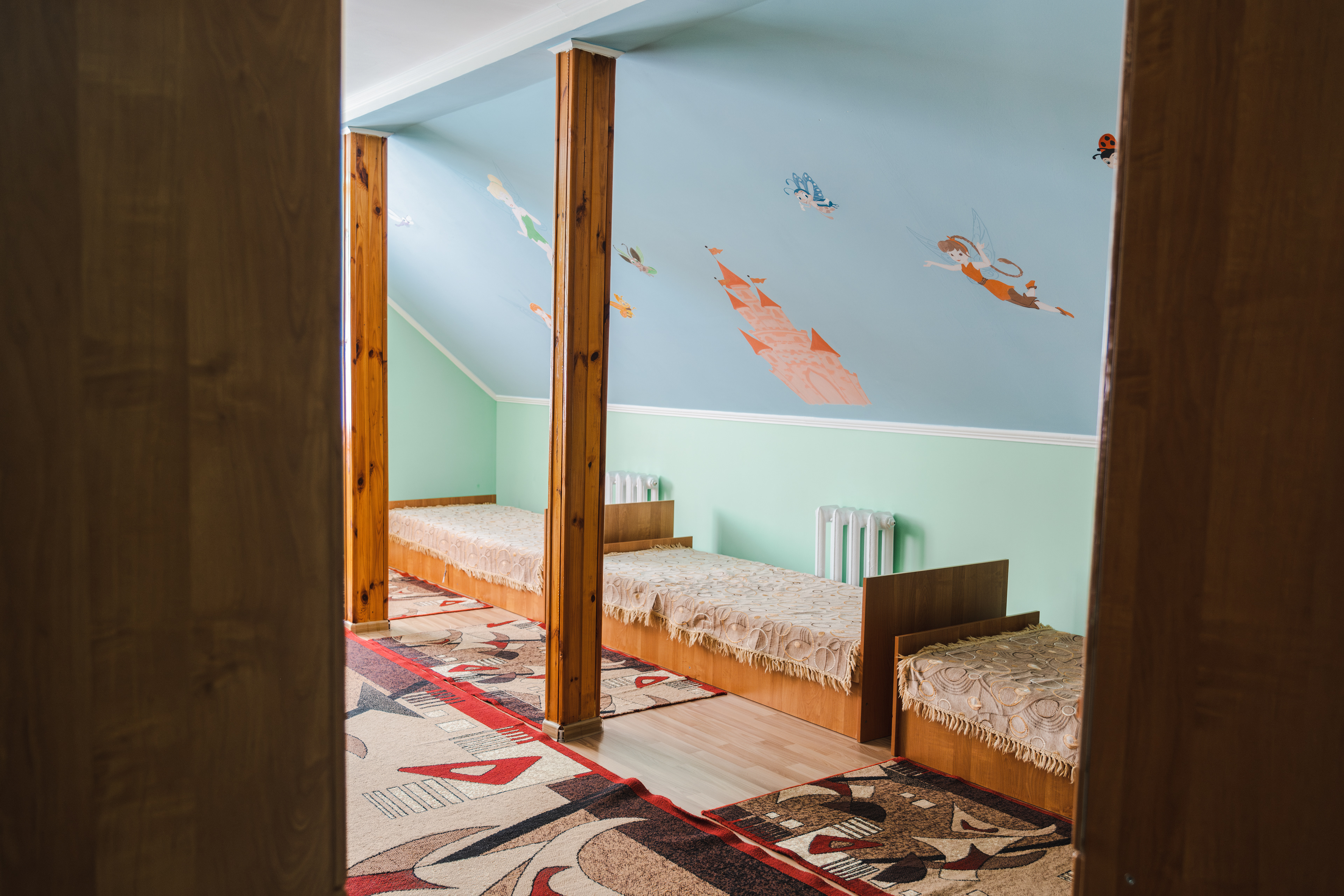
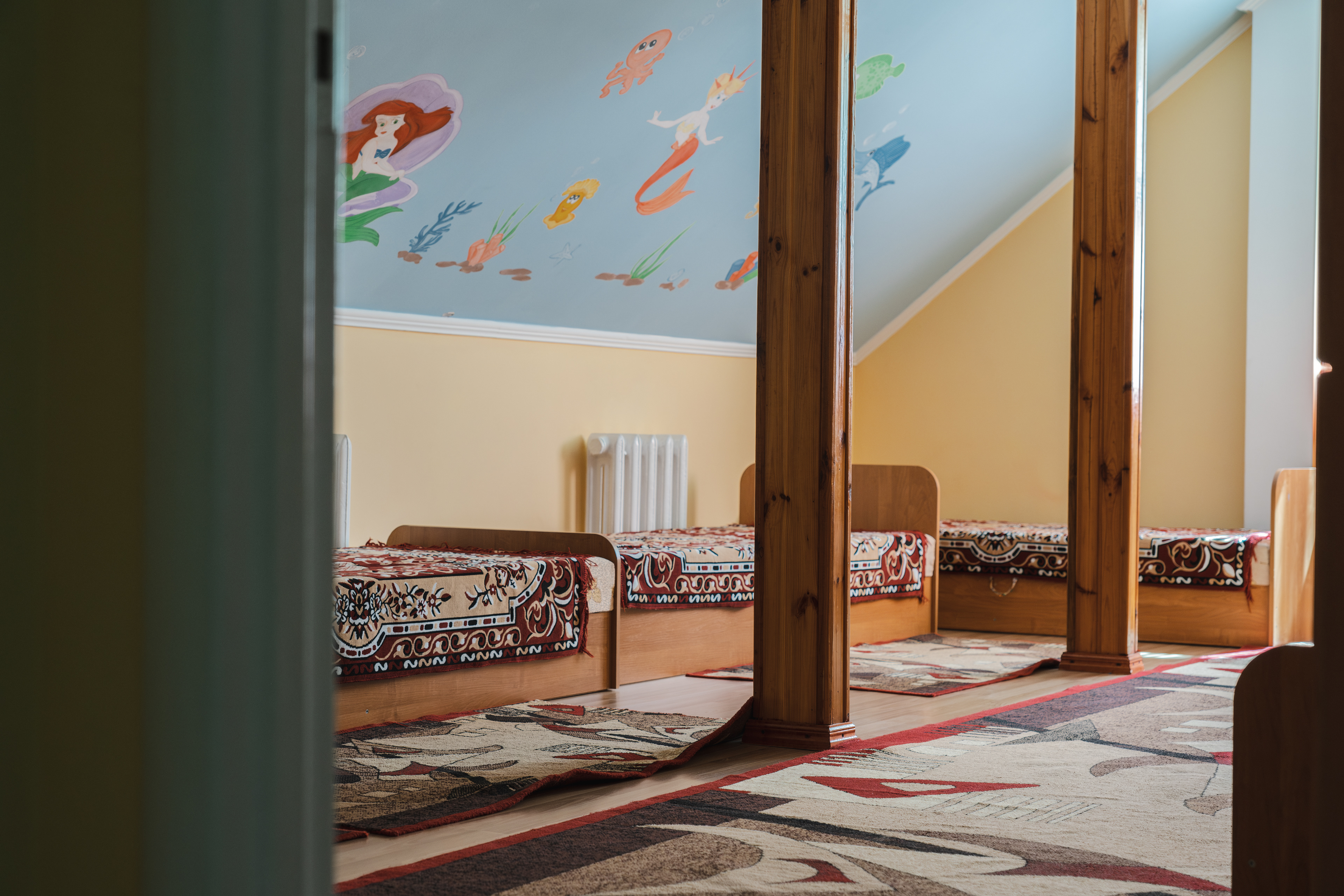
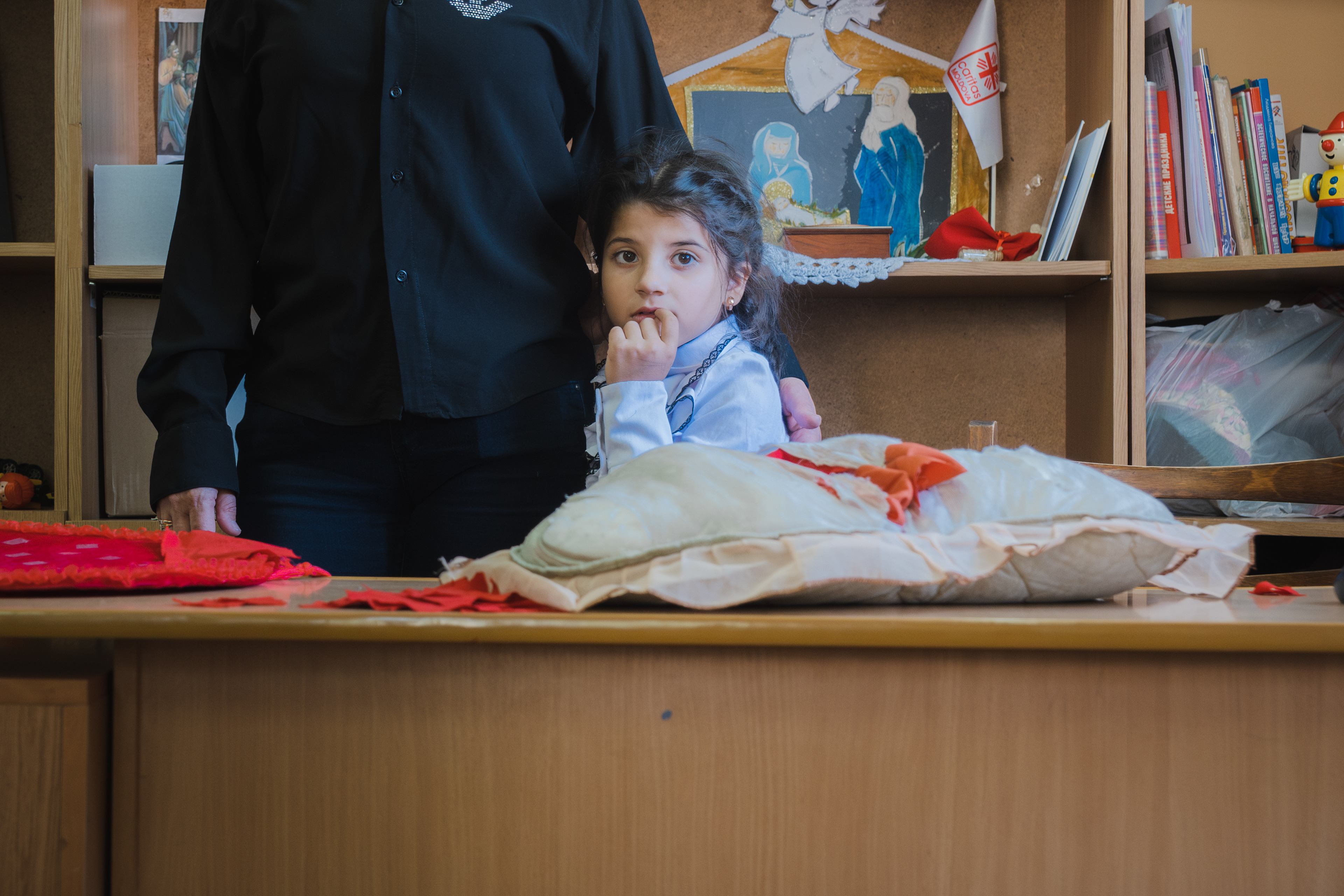
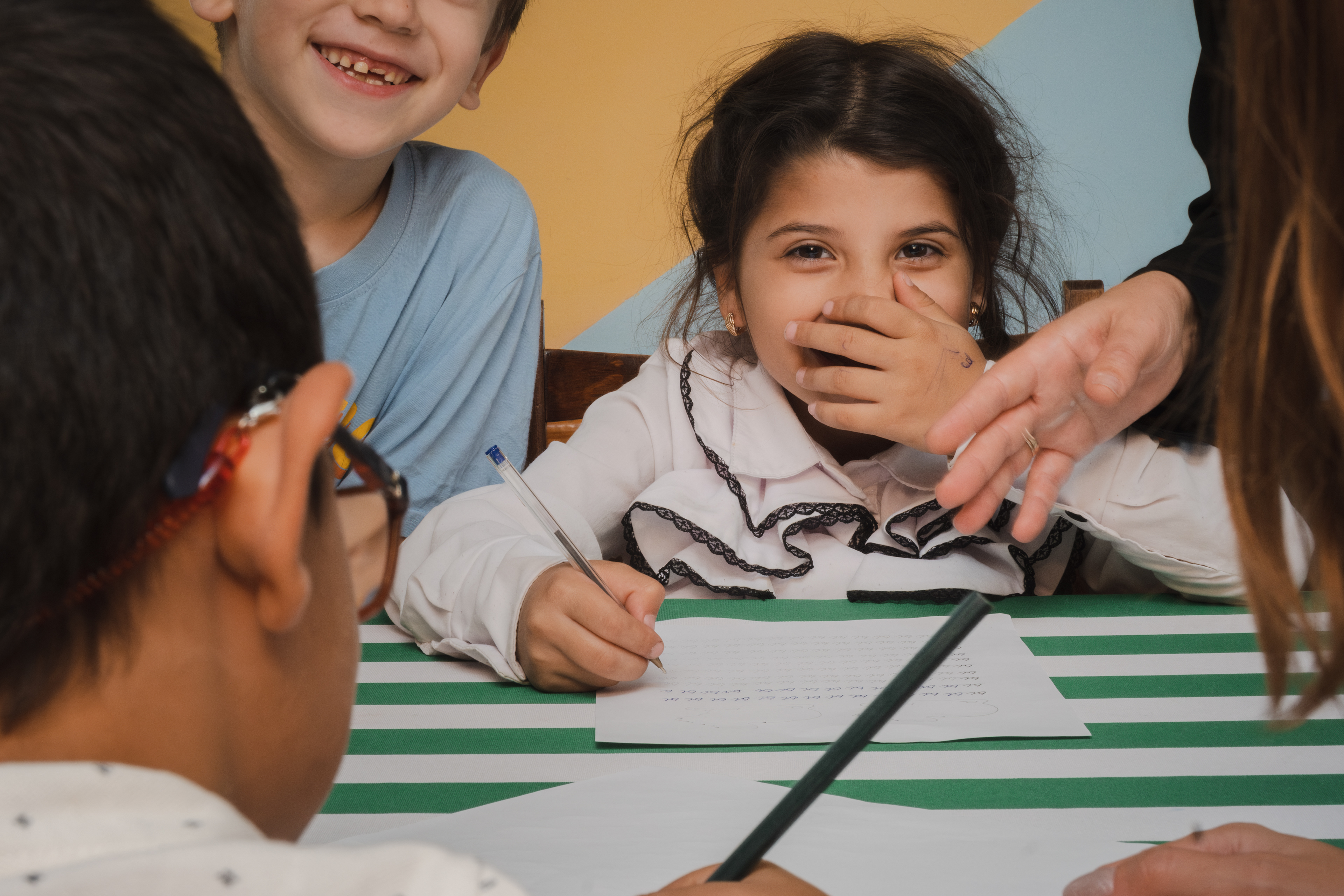
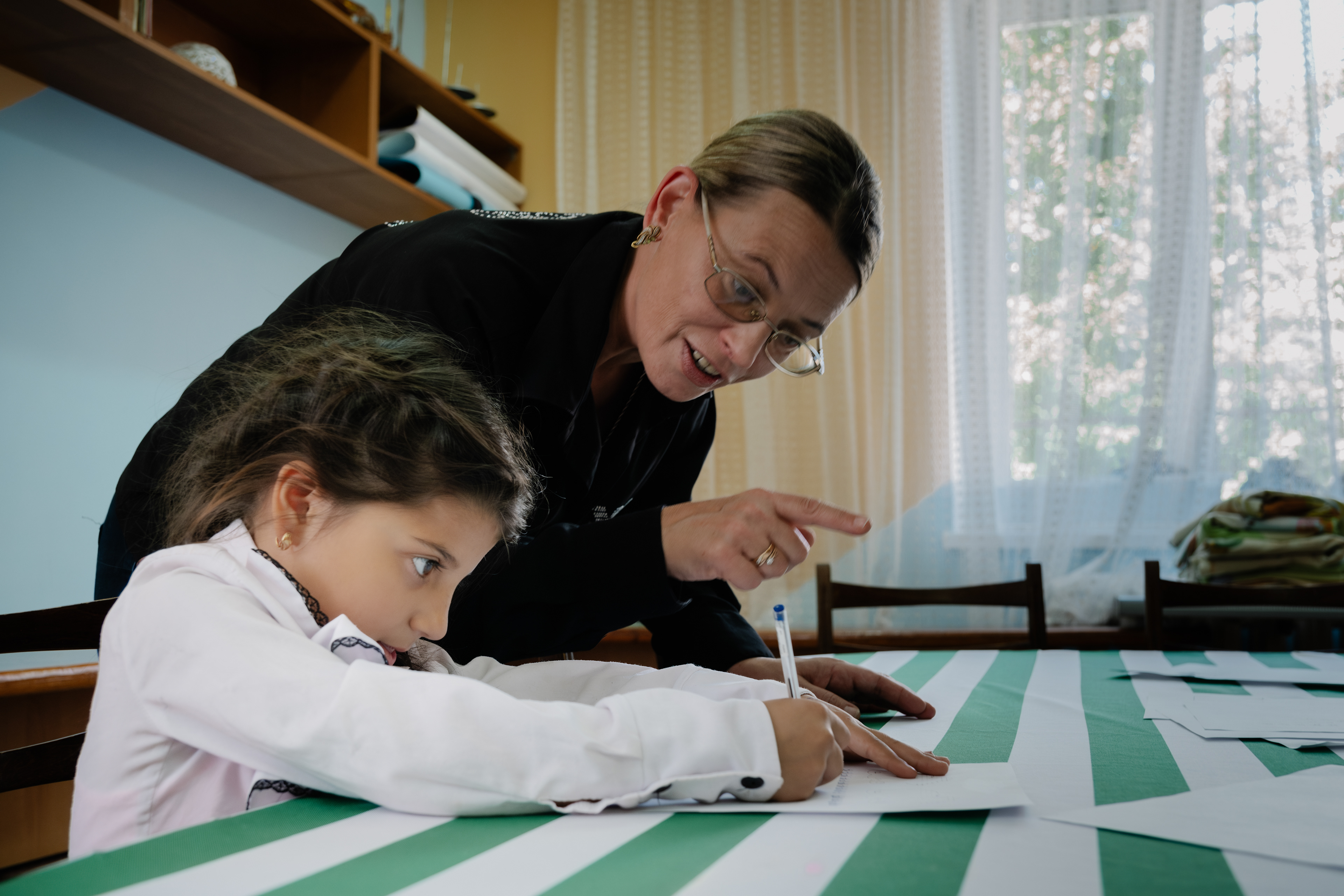
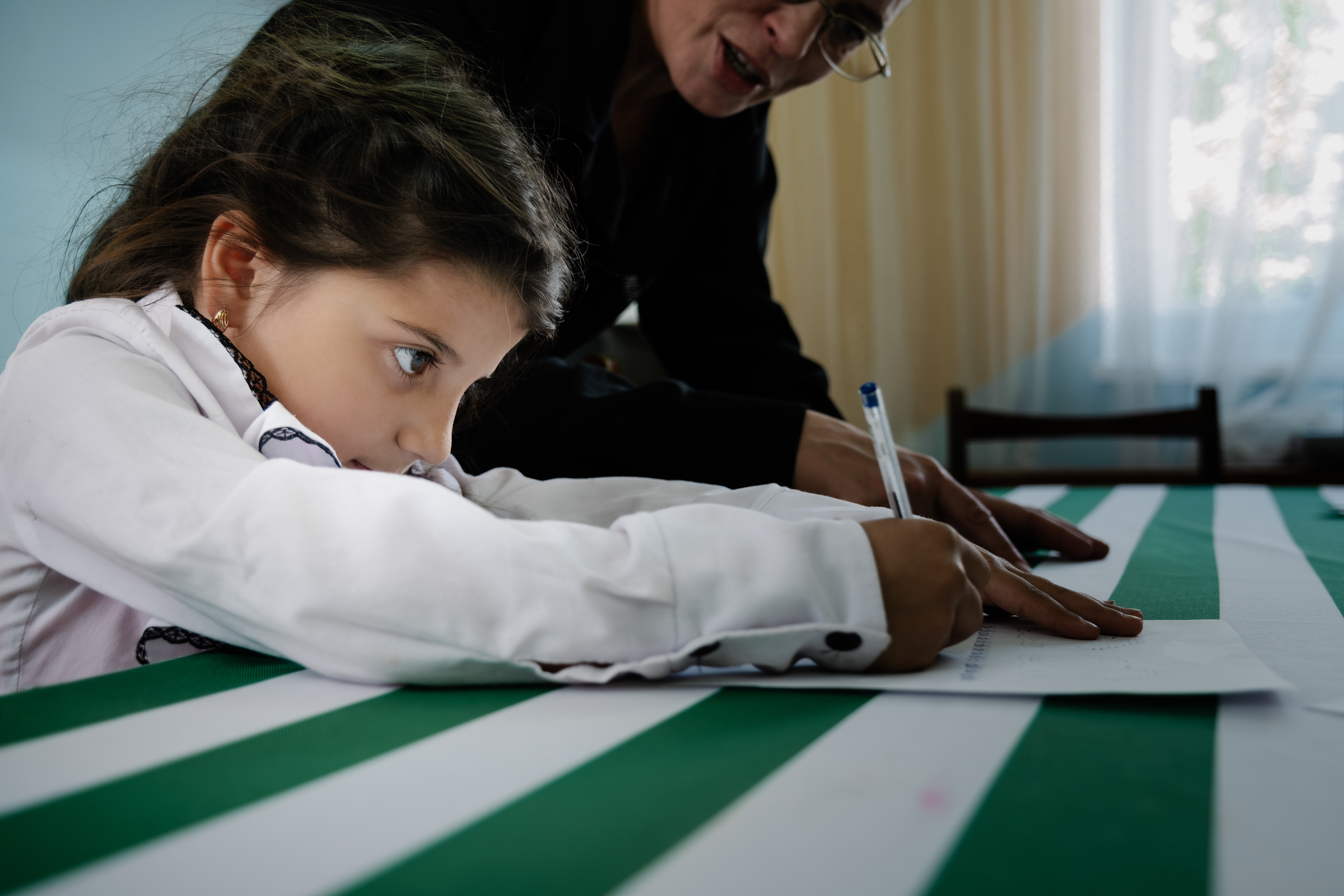
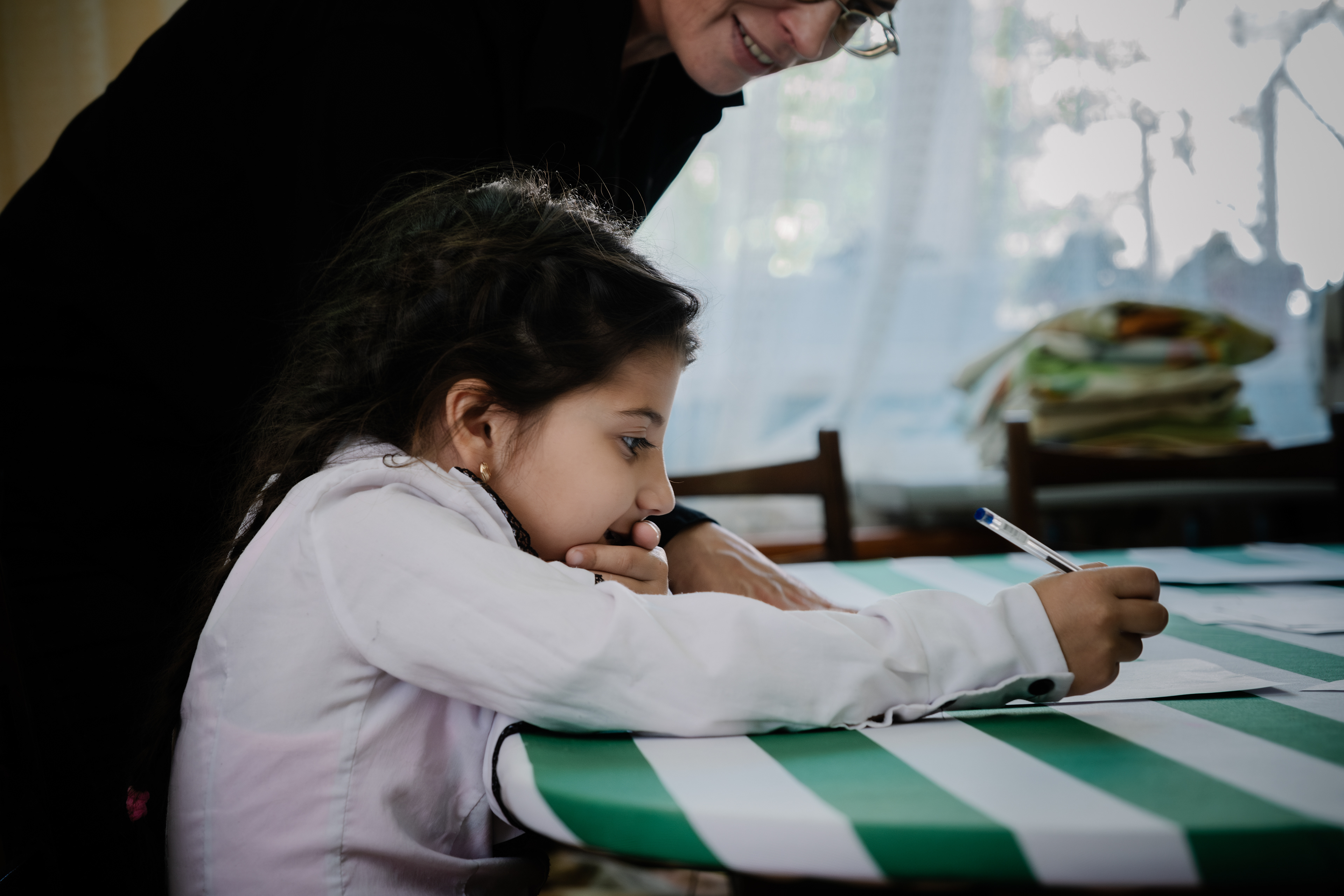
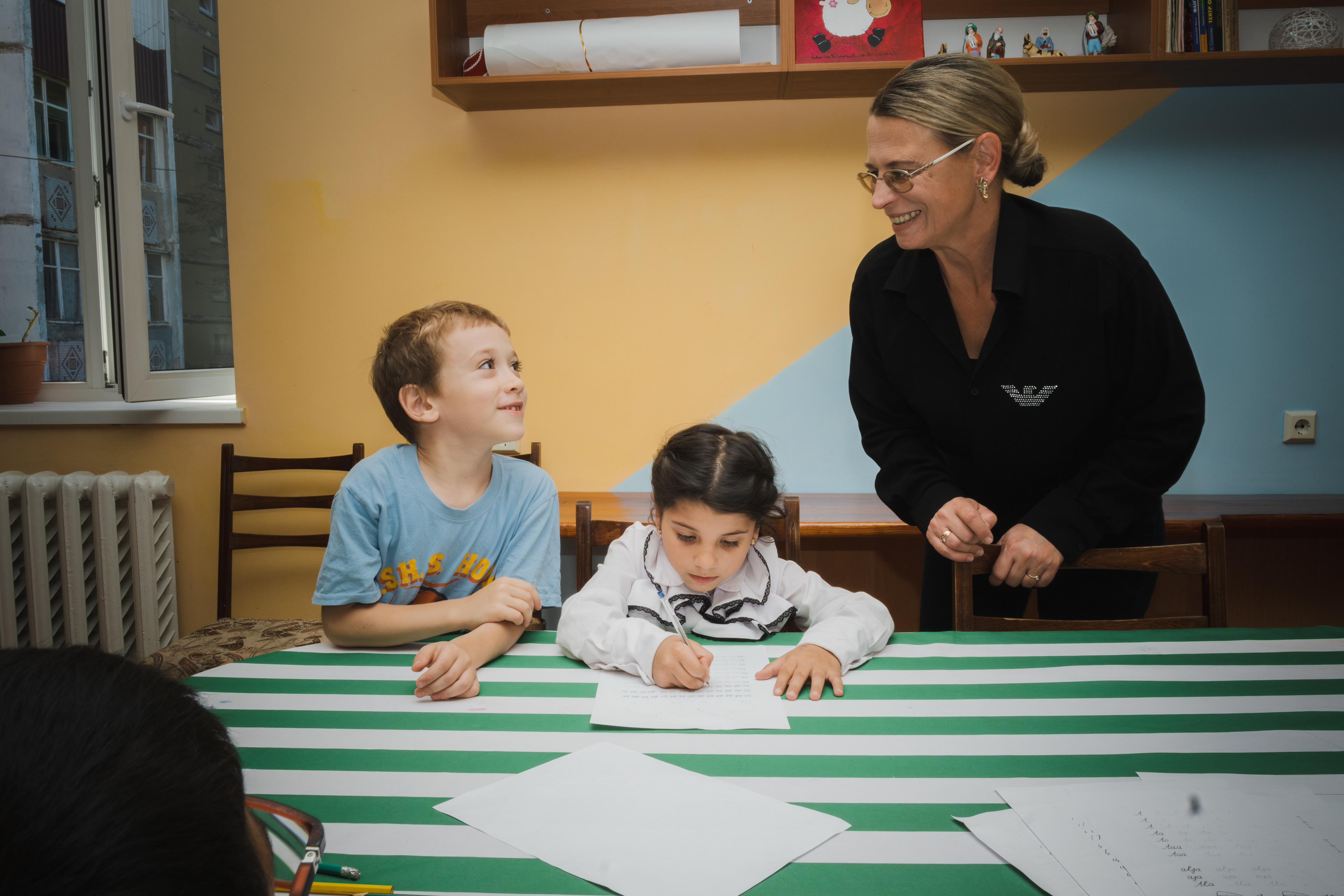
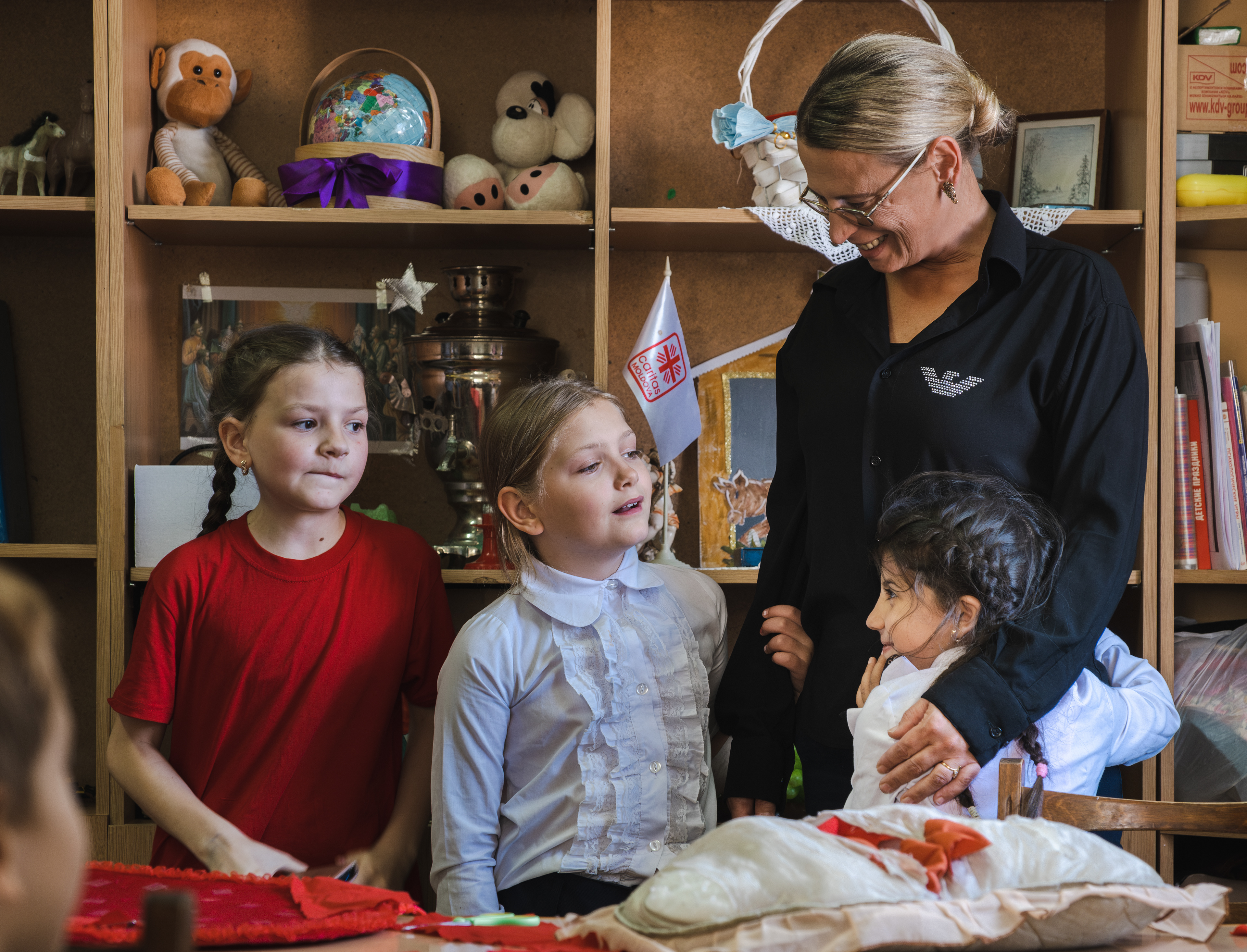
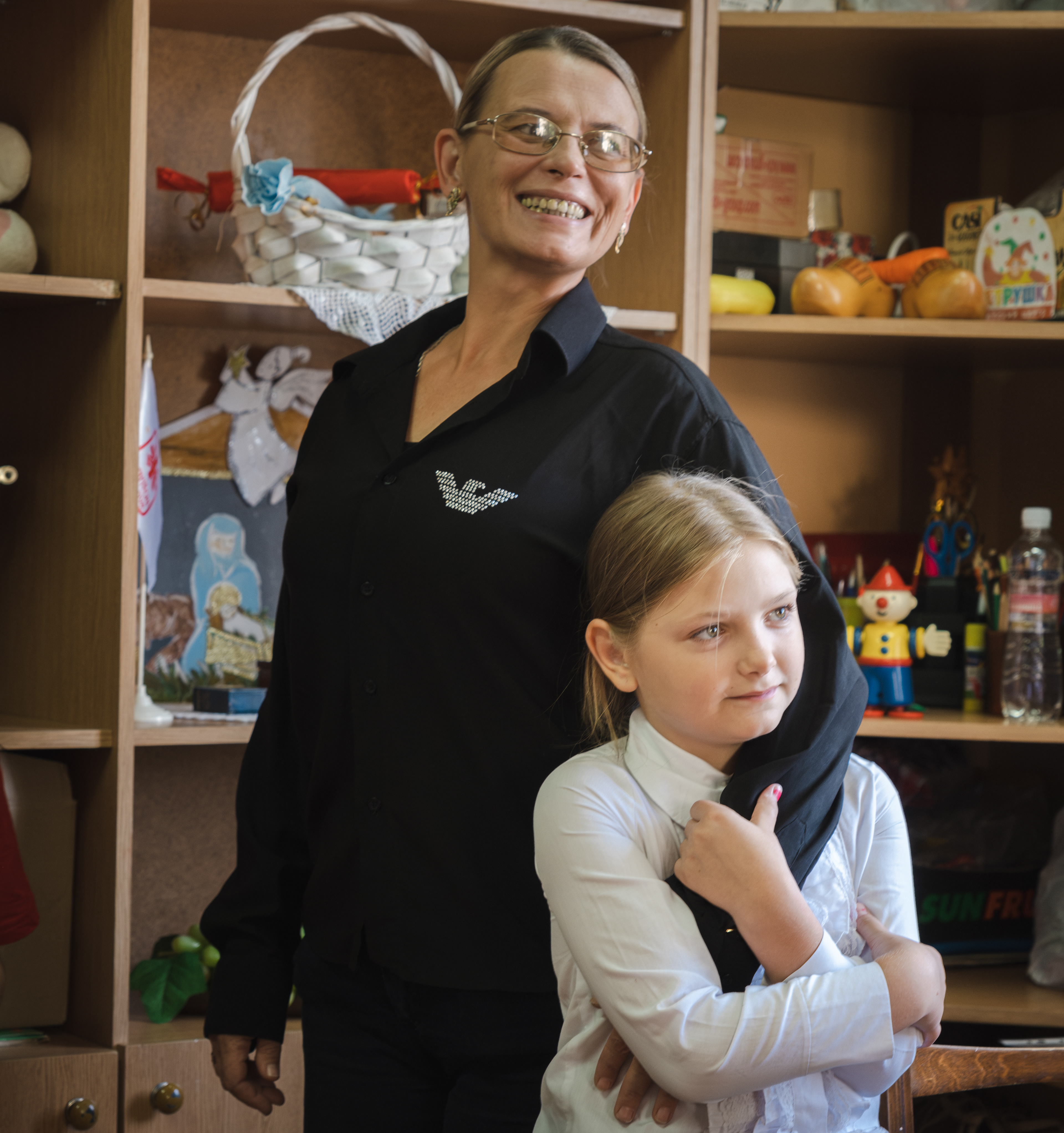
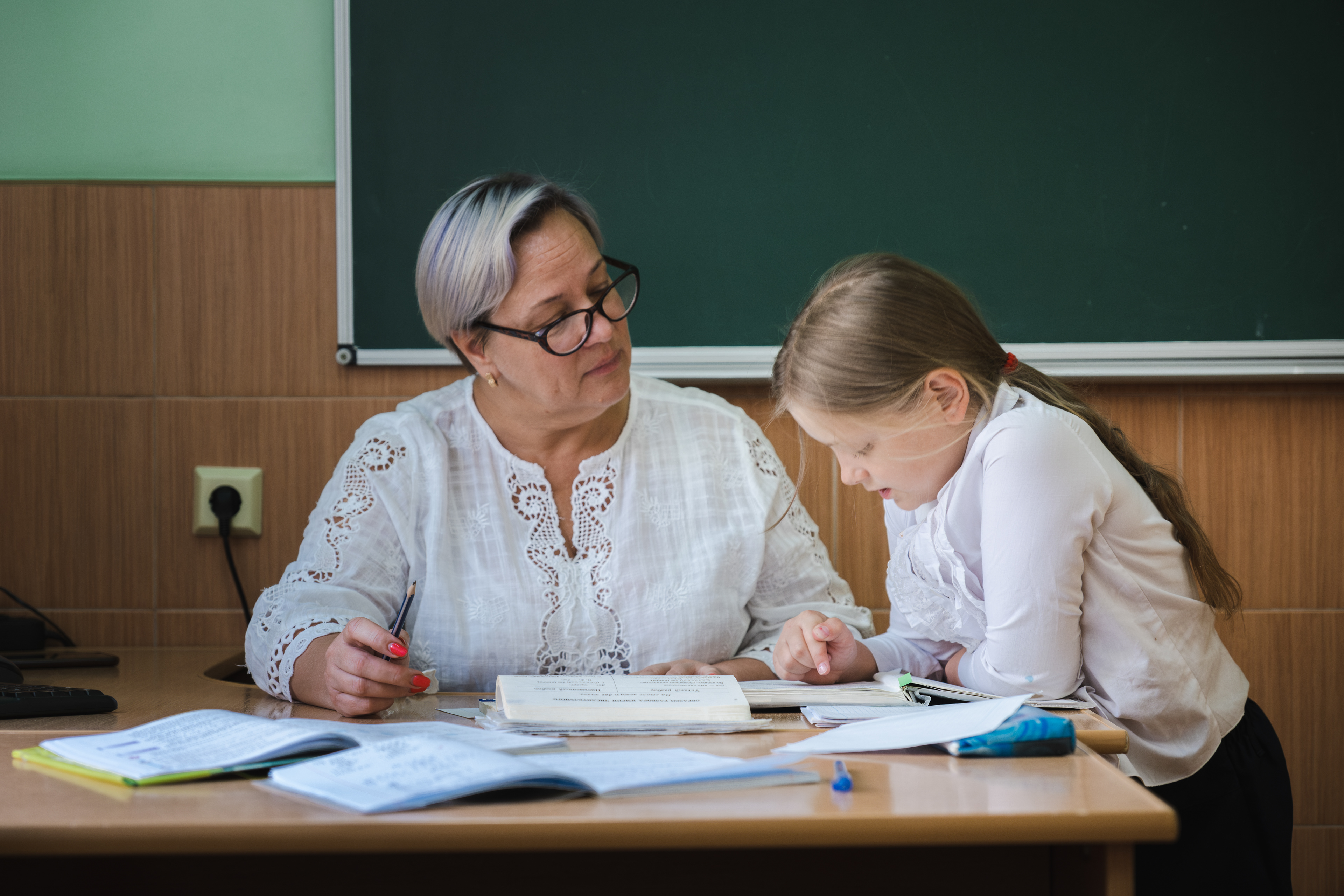
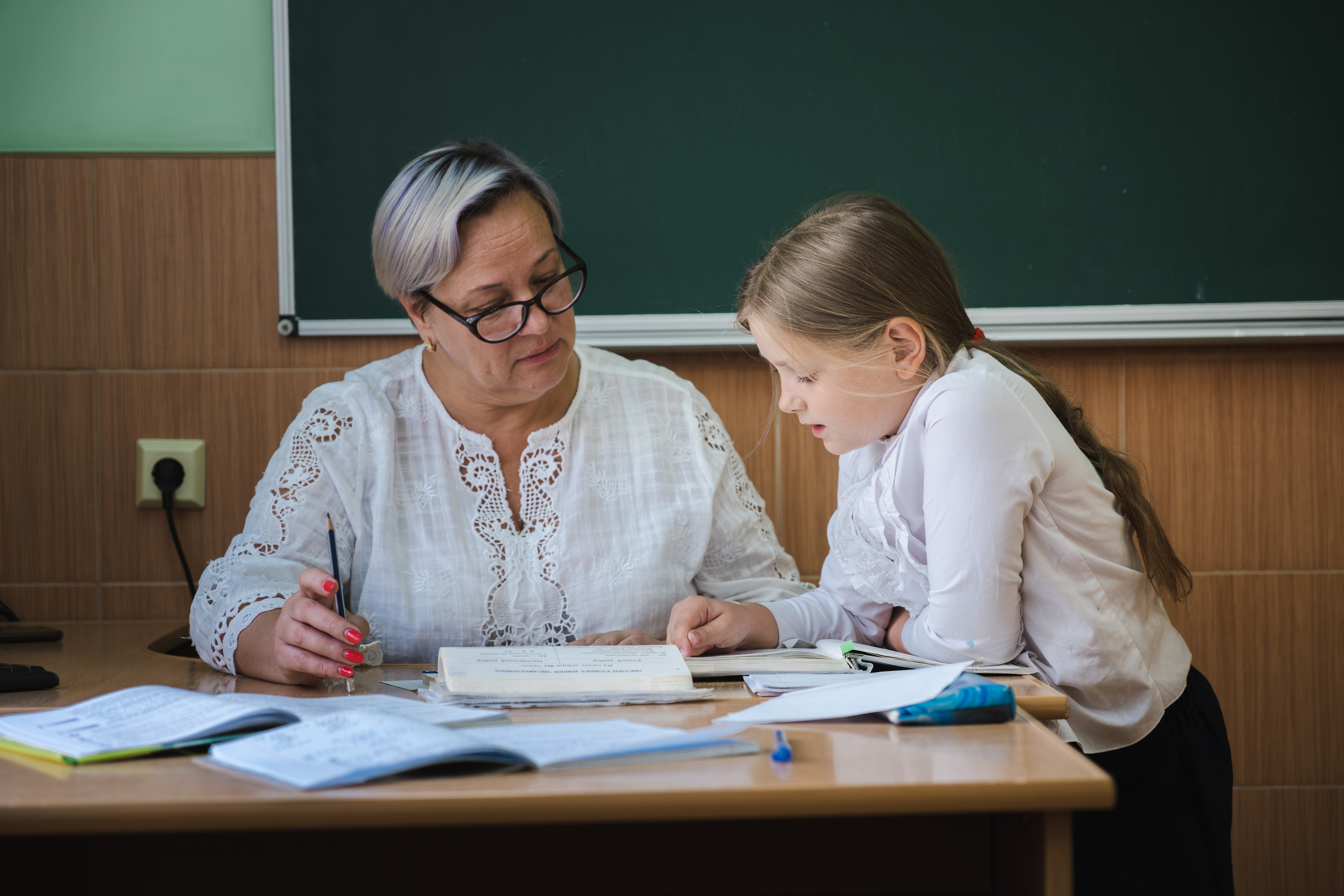
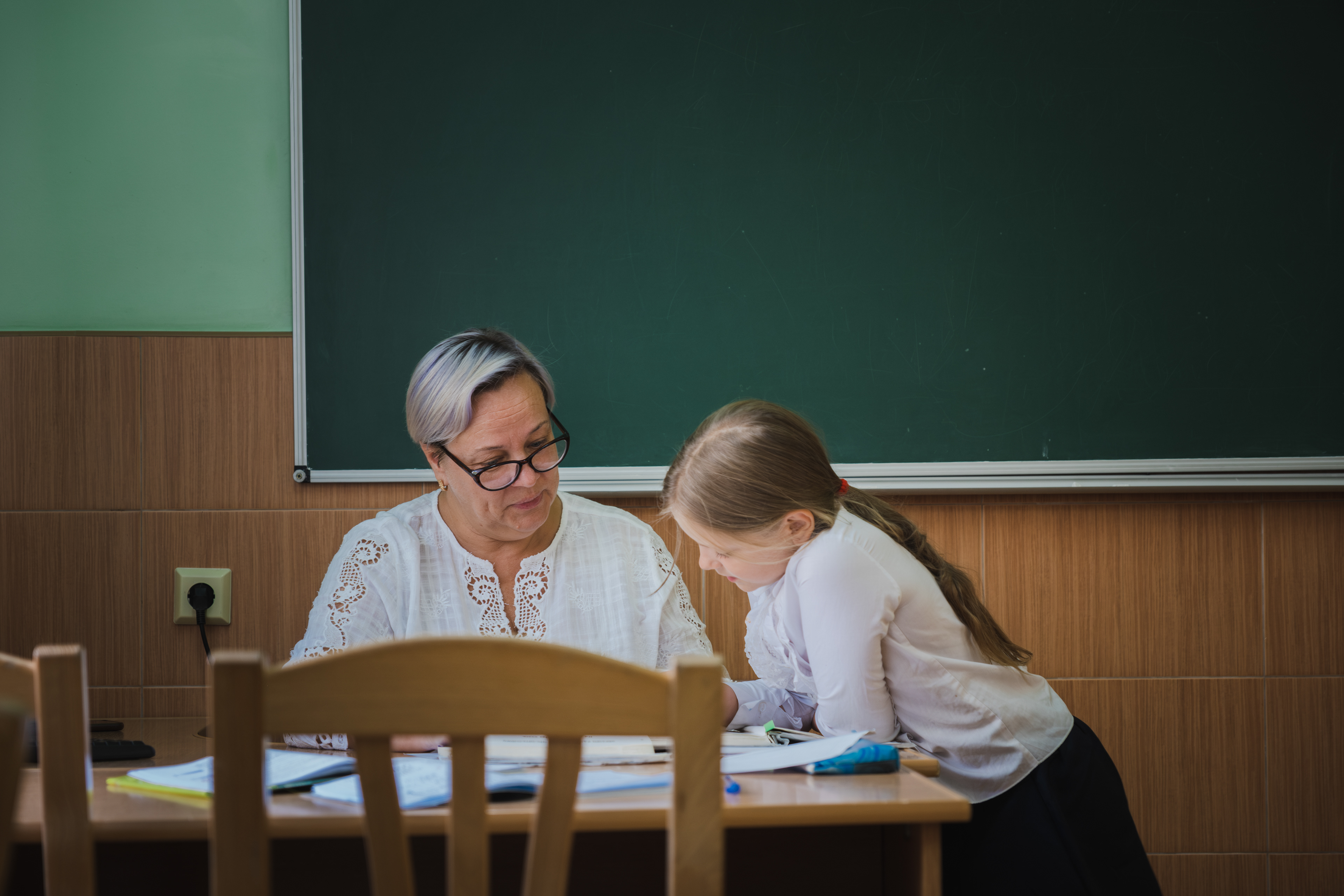
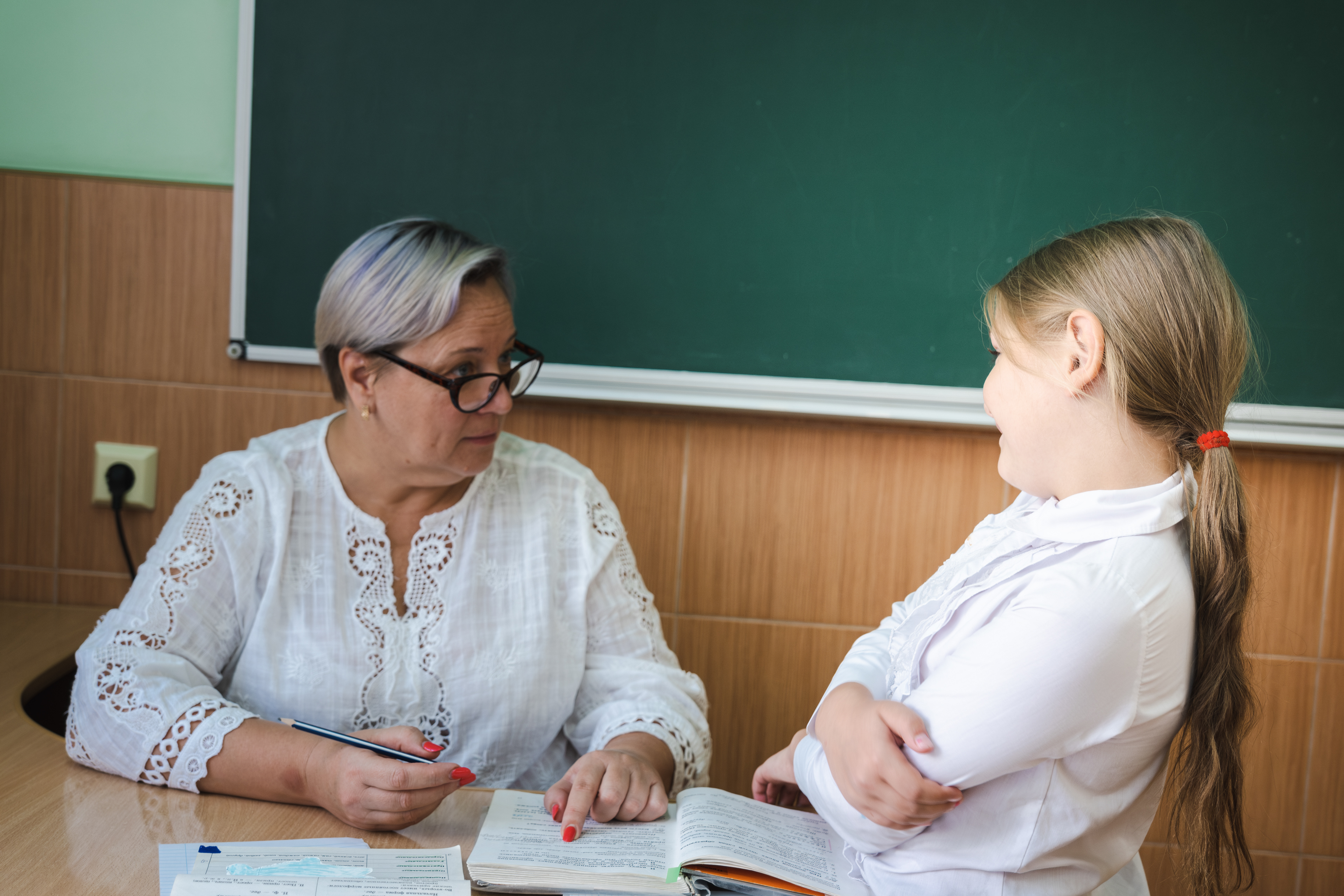
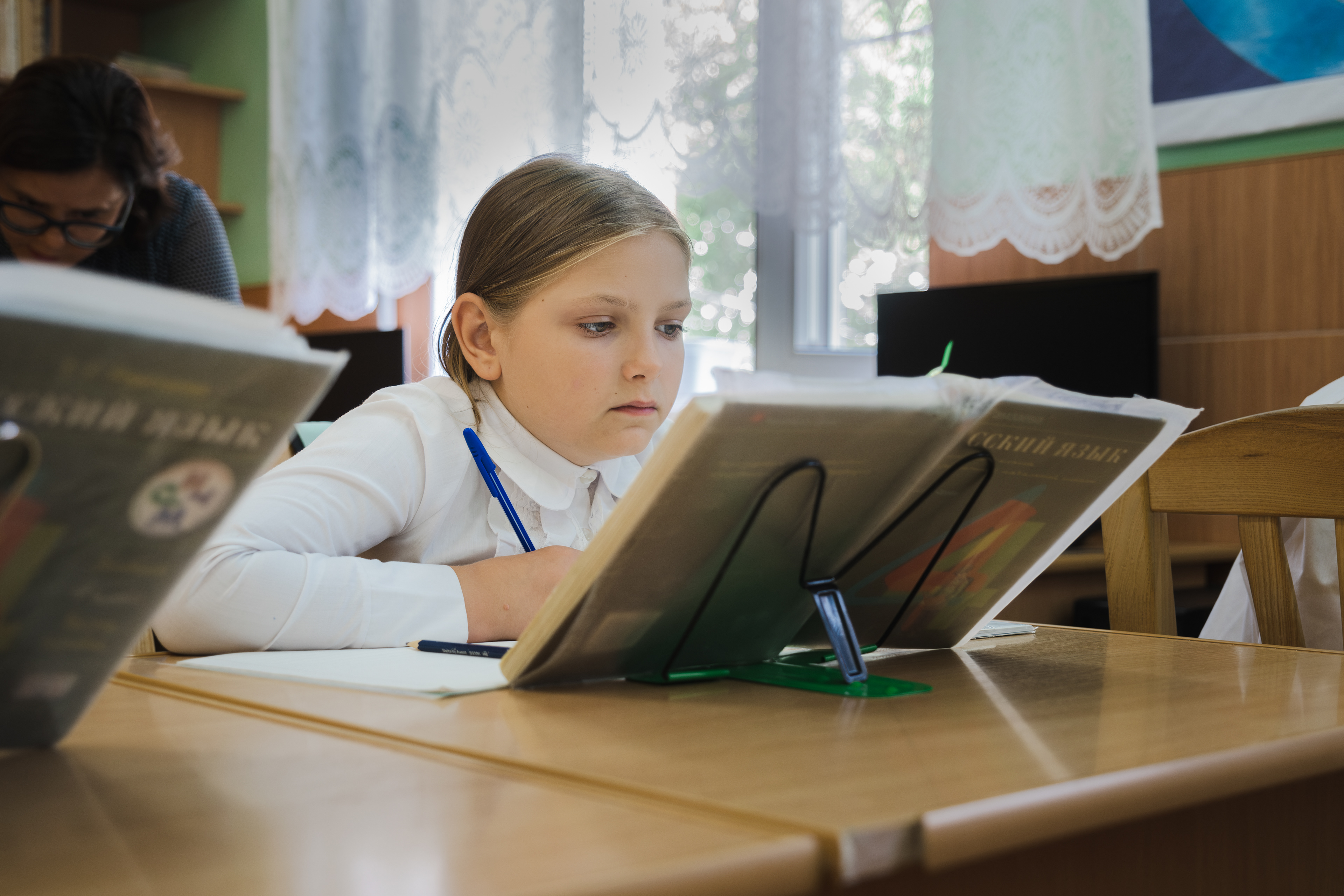
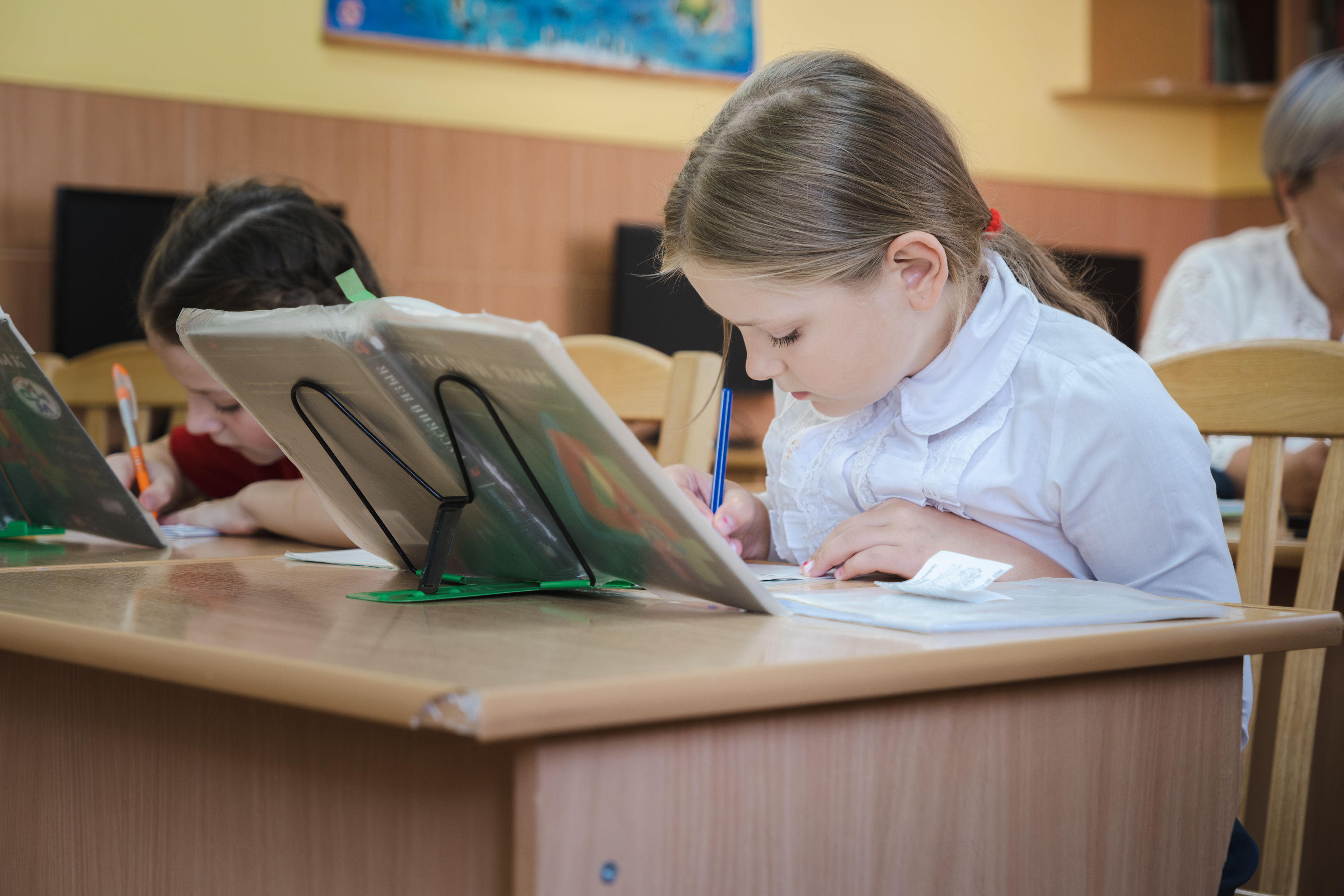
The S. family
Please change the Names Svetlana to Tetiana, and Olesya to Mila
Photos of her above.
Svetlana S. is a single mother of two minor children, and she herself grew up in an orphanage.
Svetlana was raped and went on to have her first child. Olesya's mother sought assistance from the Petrushka Children's Center when Olesya was six years old. The center's employees showered the child with love and attention, and they provided the family with psychological, spiritual, and financial support.
Olesya was a gifted child growing up. Under the guidance of teachers and tutors, she did well in her studies and participated fully in all school activities.
Her mother Svetlana got a job and took Olesya away at weekends to spend time with her. After a certain period, Svetlana met a man whom she trusted once again. When she became pregnant, the father denied being her father. Svetlana once more turned to the Petrushka Centre in a desperate attempt. She refused to have the pregnancy terminated and gave birth to her daughter Alexandra with the assistance and support of the center.
Olesya and Alexandra, the mother's two daughters, currently reside with her in a single room in a dorm. The room is a tiny corner space. The Petrushka Center assisted with the purchase of furniture and changed the room's window to keep it cozy and warm.
Svetlana is still a hardworking multitasker and a loving, devoted mother. Her life's purpose is primarily to raise children. Svetlana occasionally tries to start a family with a different man, but sadly, they do not stick around for very long. Due to their mother's low-paying shift work and low income, the girls spend the majority of their time in Petrushka. There is not enough money to provide a dignified life for two children.
The Petrushka Children's Centre helps them feel supported and cared for. They receive food, medical attention, psychological support, and material aid. They have all the resources necessary for growth and education, which they lack at home.
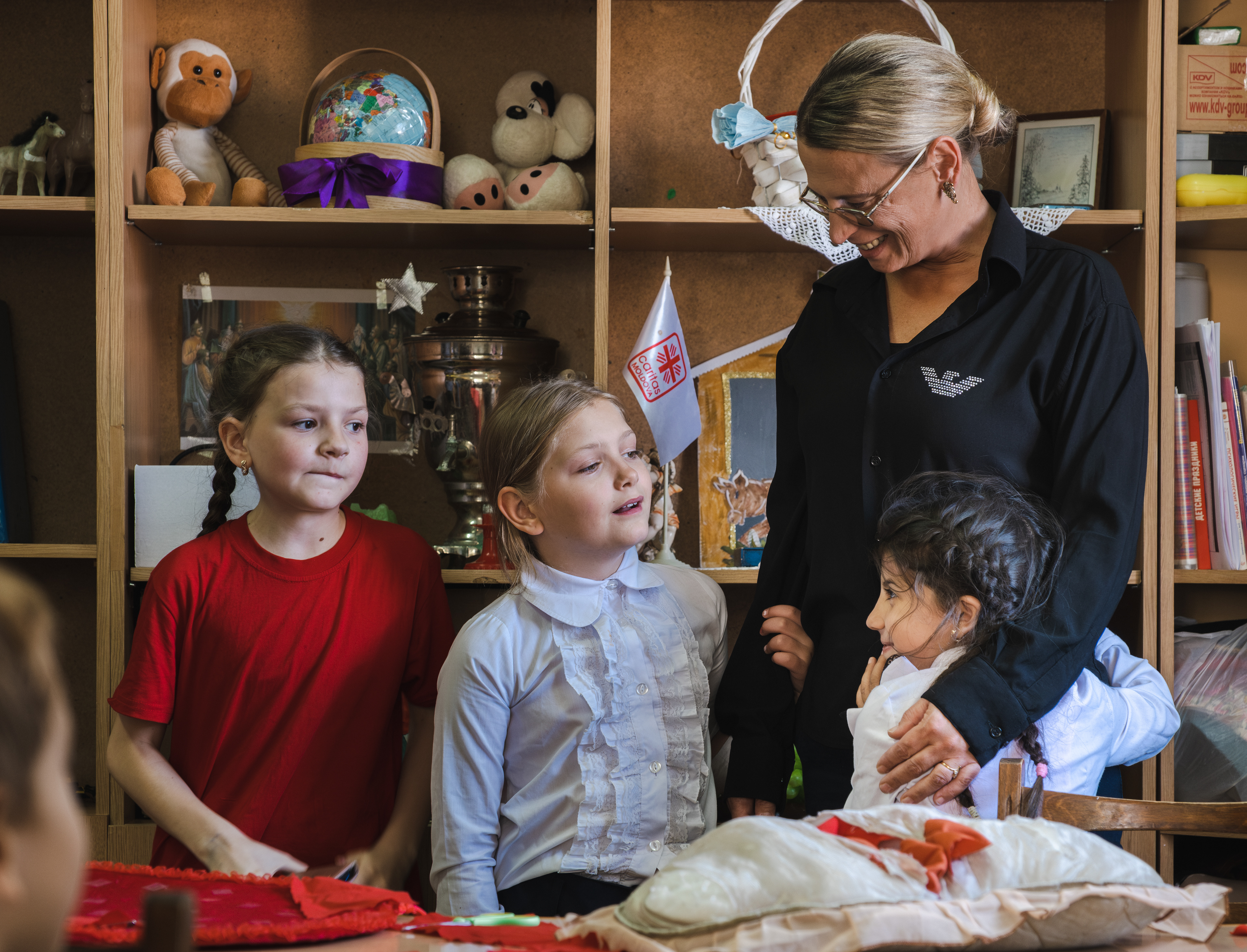
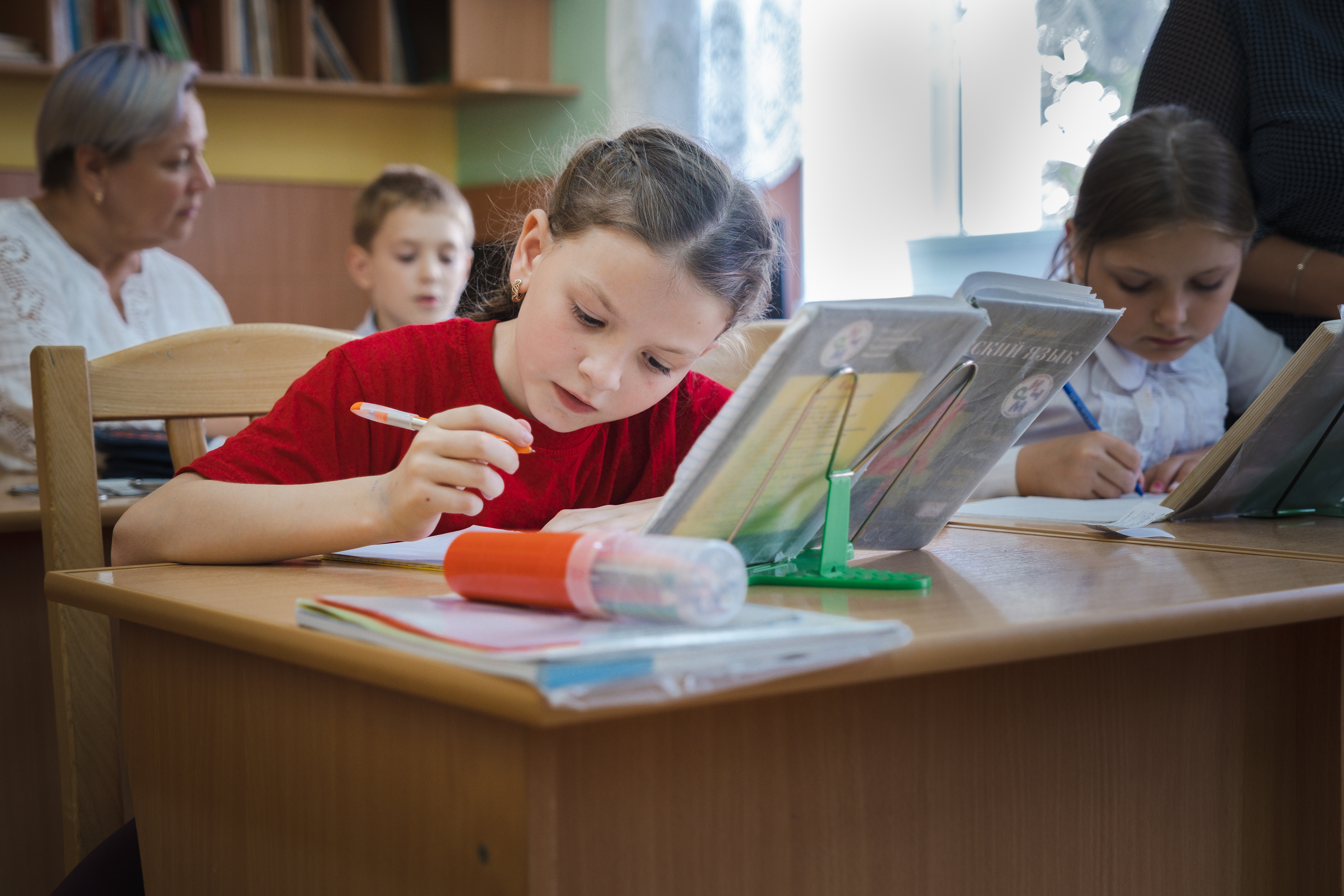
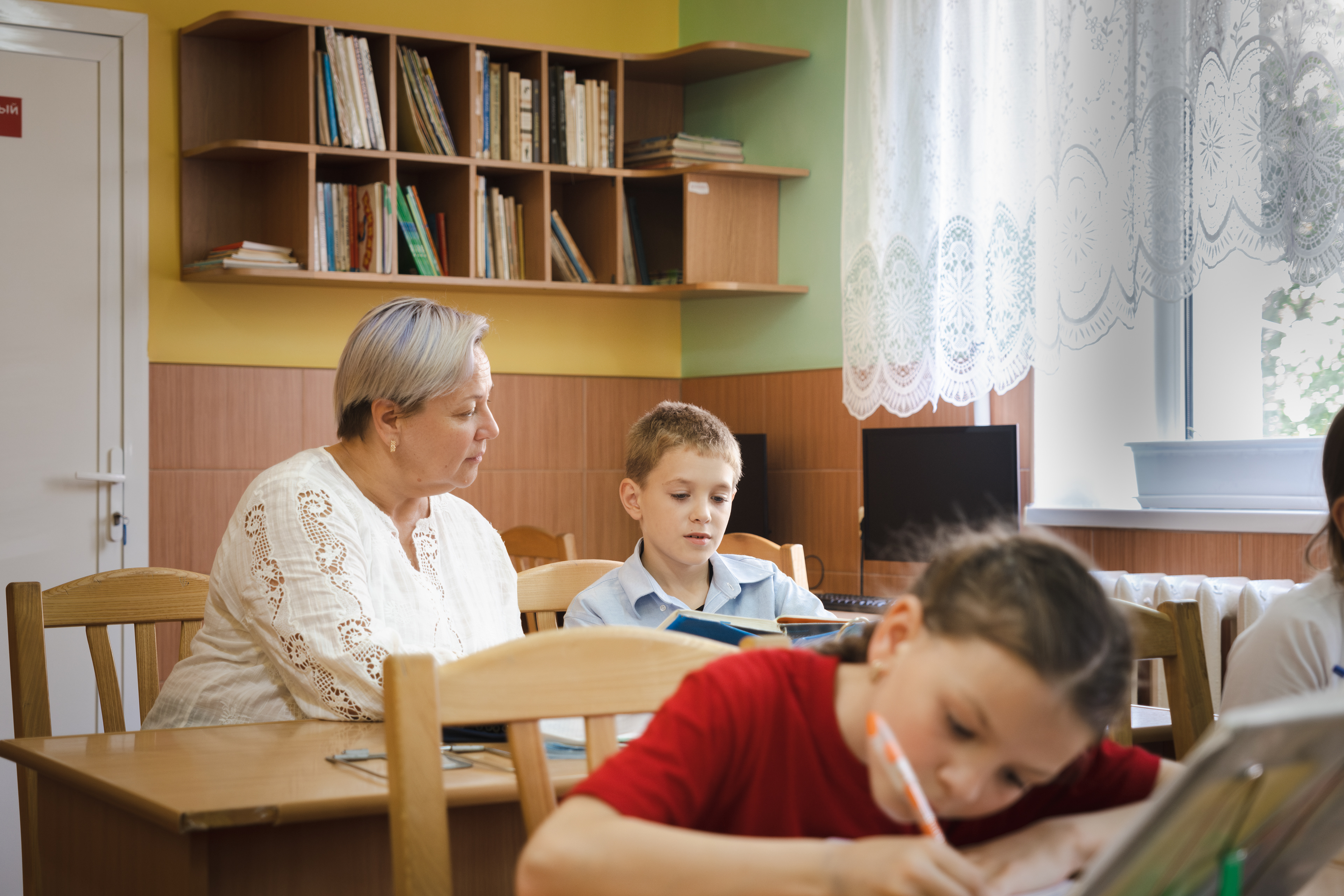
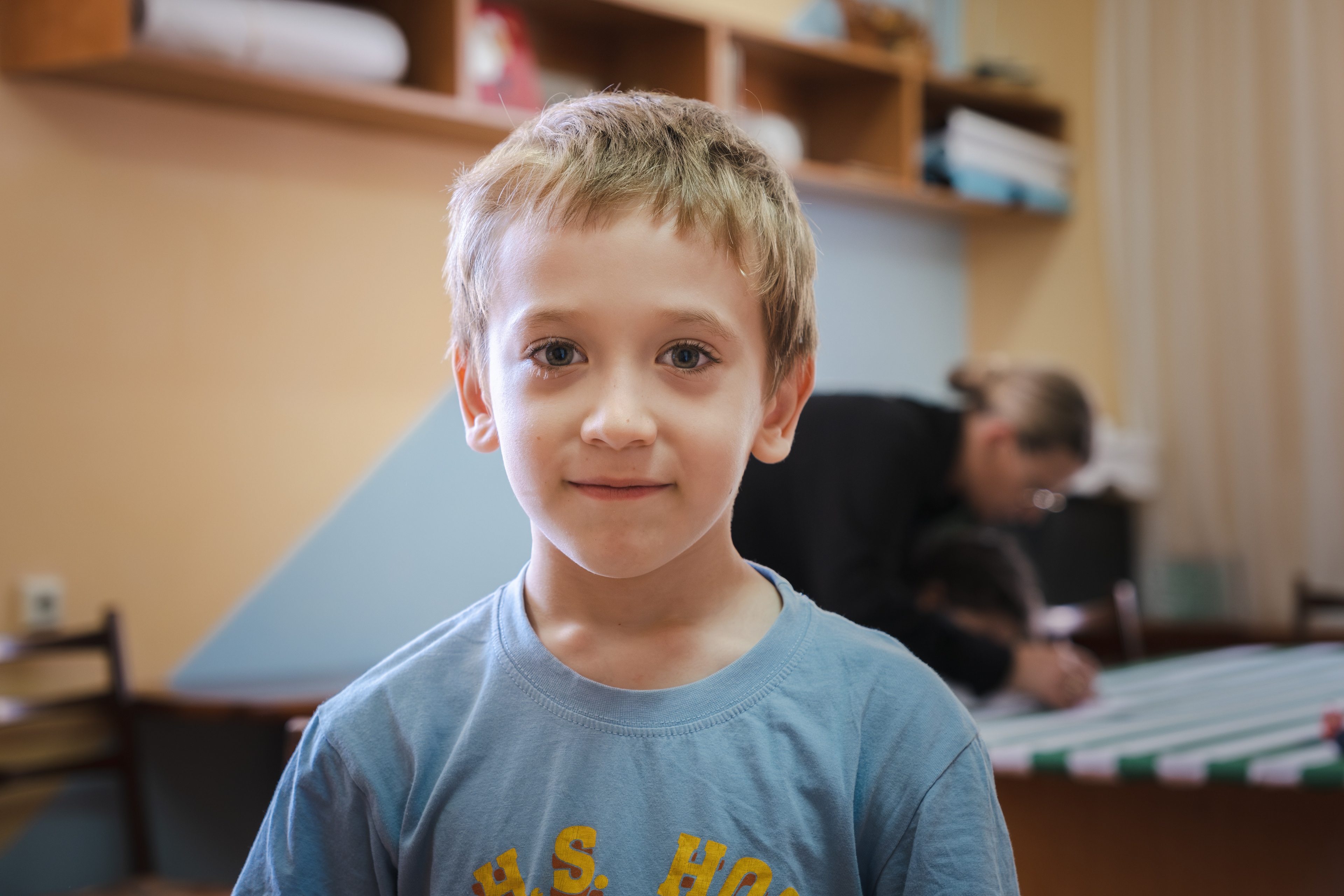
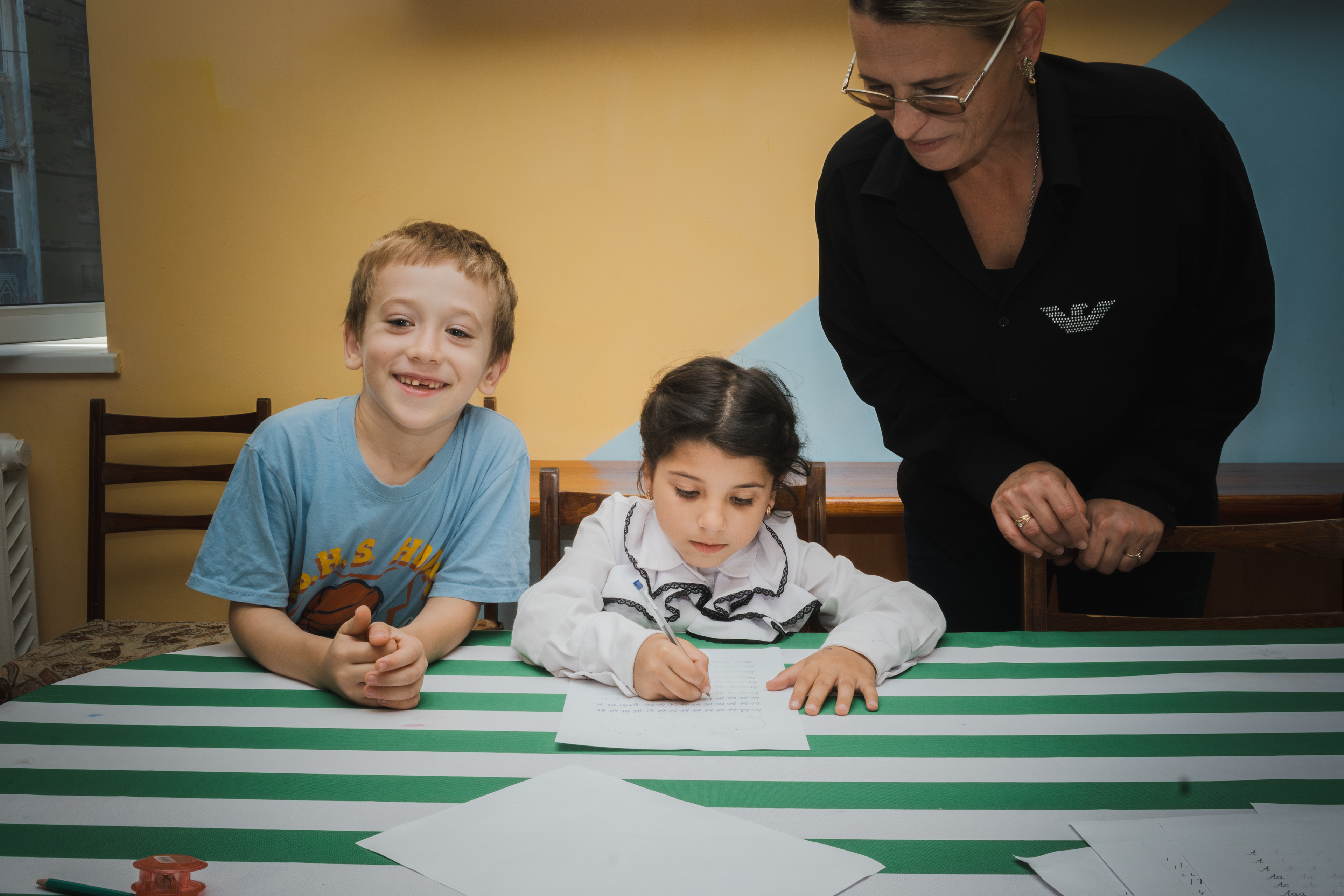
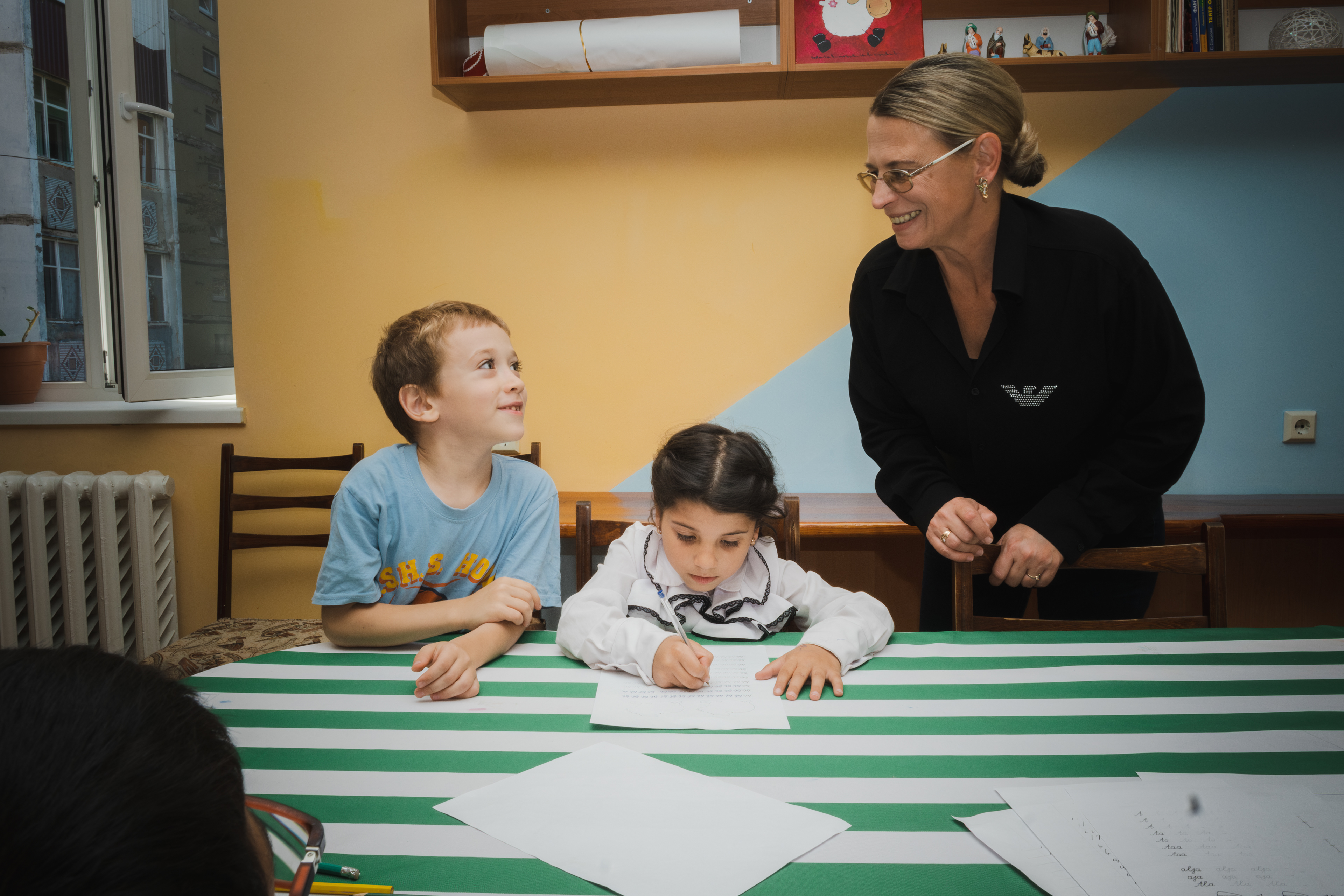
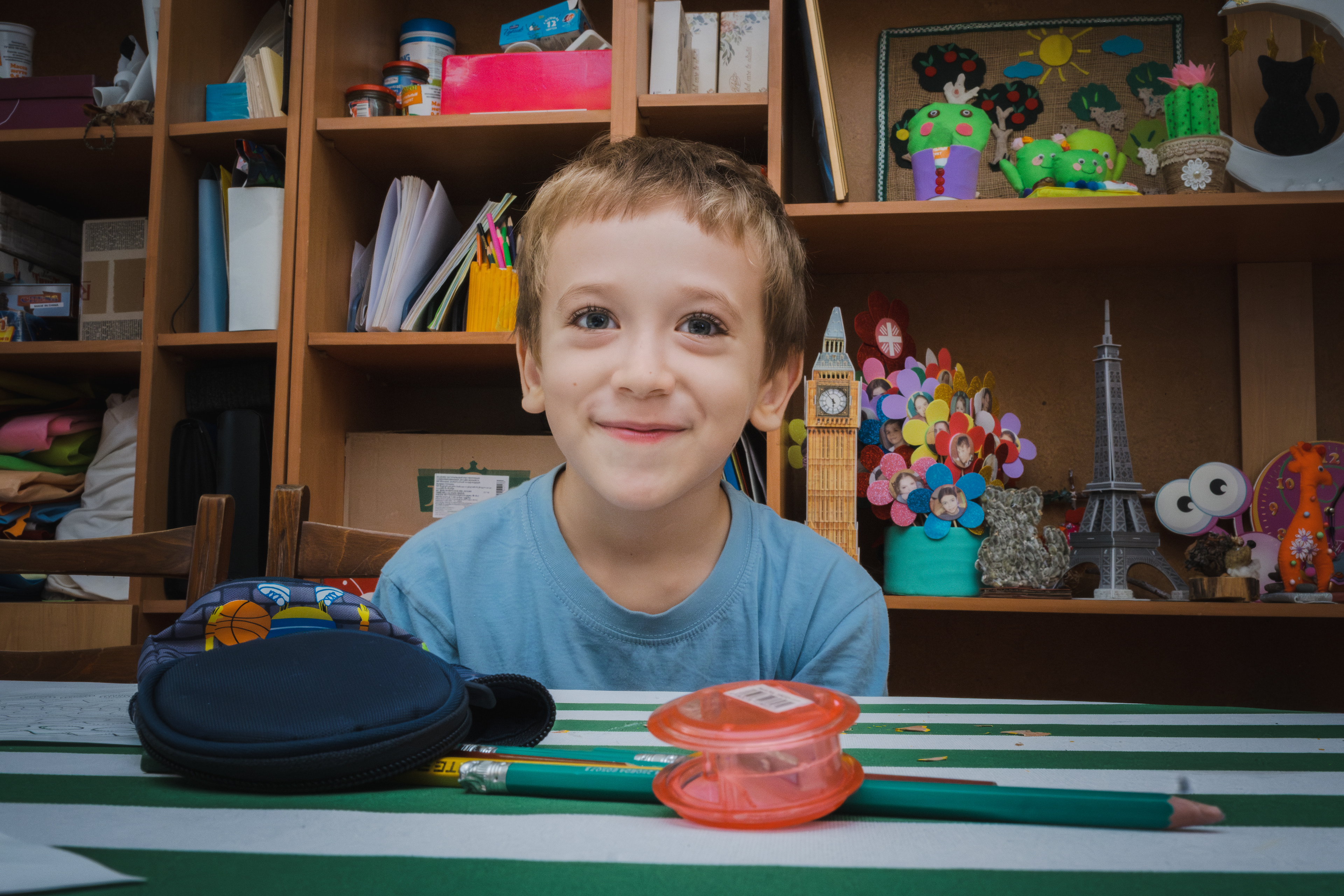
T. family – a large family.
Please change the names above is Danil
Evdokia is a mother of four children. A difficult fate did not bypass Yevdokia.
Her first husband left the family when the girl – his daughter Andrea (14 years old) was six years old. She was left with an unpaid loan for a one-room apartment on the land and a small child in her arms. She had to work long shifts to support the child and pay back the loan. The girl's diagnosis of mental impairment made the situation even more critical. Evdocia went to the Petrushka Children's Centre for assistance since she had nowhere else to turn. The mental retardation manifested itself mainly in a lack of memory and learning disabilities. Andrea was supposed to be sent to a boarding school for kids with intellectual disabilities, but the Petrushka Children's Center intervened and got her placed in a remedial class, with the understanding that the teachers there would work with her one-on-one. In this way, the child has a chance to obtain a certificate of education and continue her studies in vocational centres.
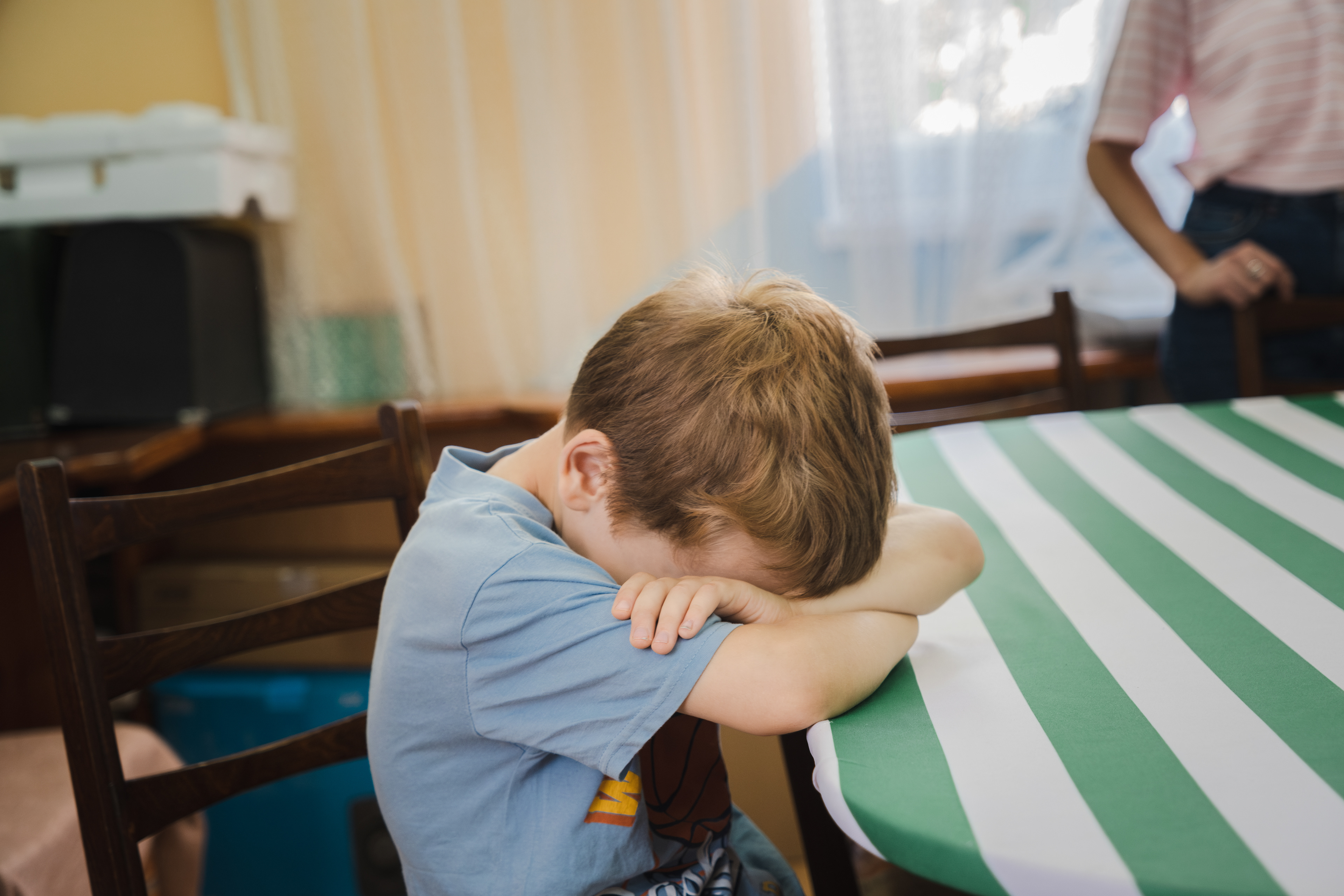
The next three children were all born outside of marriage from different fathers. Two of them, Maxim, 10, and Danil, 7, are also beneficiaries of Petrushka Children's Centre.
Boys have trouble growing up, are highly sensitive/vulnerable, and have attention deficit disorder, all of which have a negative impact on their development and psychological and physical well-being.
The oldest daughter stays at home to take care of the infant while the mother is preoccupied with the younger child and gives the older children no attention at all.
All this had a very bad impact on the children's studies.
The staff of the centre drew attention to the sharp changes in the boys' behaviour and took control of the situation. The children study with the centre's teachers on an individual basis. The centre psychologist works with them. In order to socialise the children more quickly and help them gain self-confidence, they were purposefully involved in theatre performances at the centre.
The first signs of improvement are evident: children's academic performance has increased, and they are growing friendlier and more outgoing. Periodically, the mother receives visits from the social pedagogue and the psychologist, who work with her.
Additionally, the Children's Center offers support and material aid. Nutritious food, clothing, shoes, and school supplies are given to children. They receive medical attention as well as—above all—love, warmth, and attention.
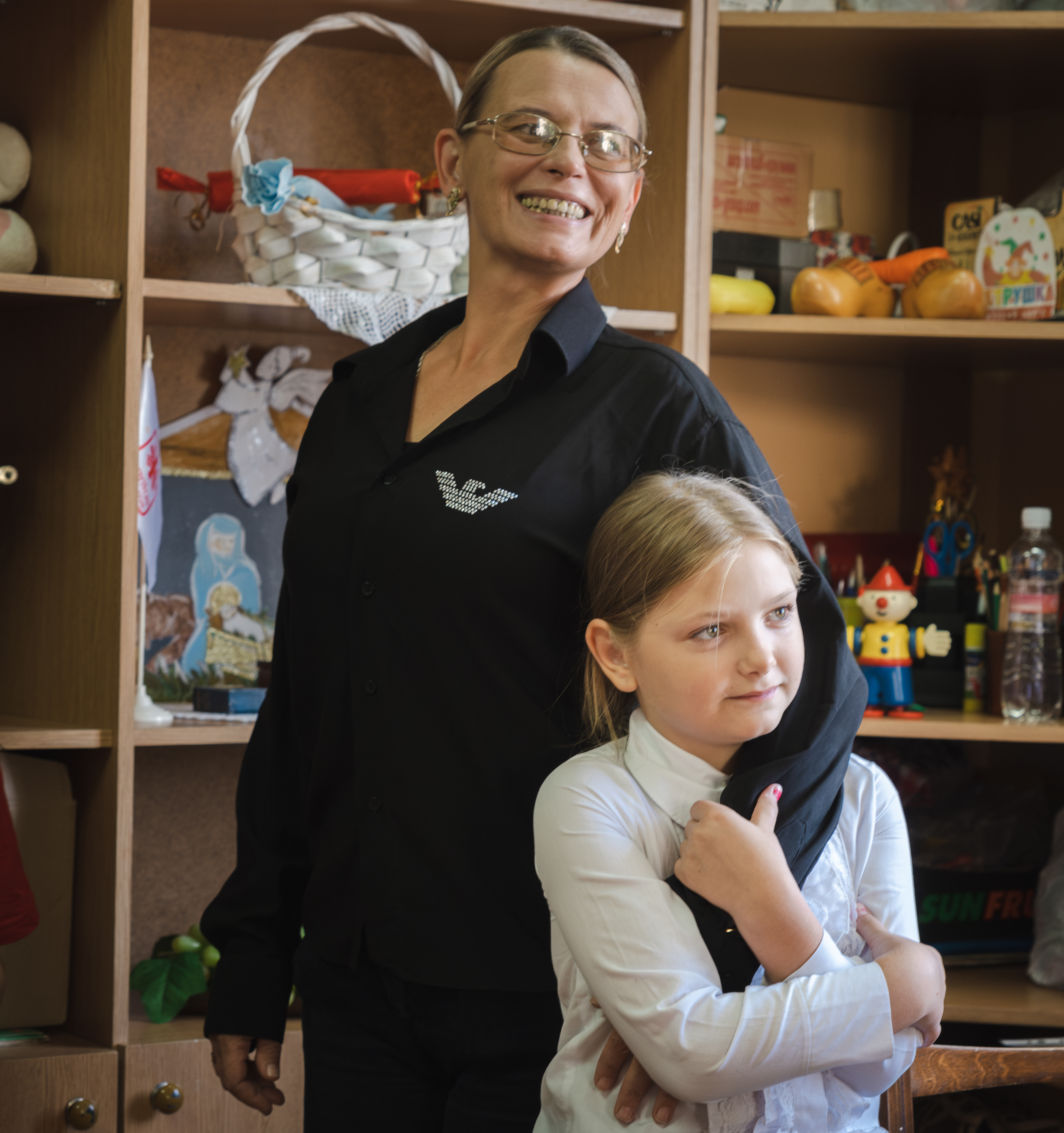
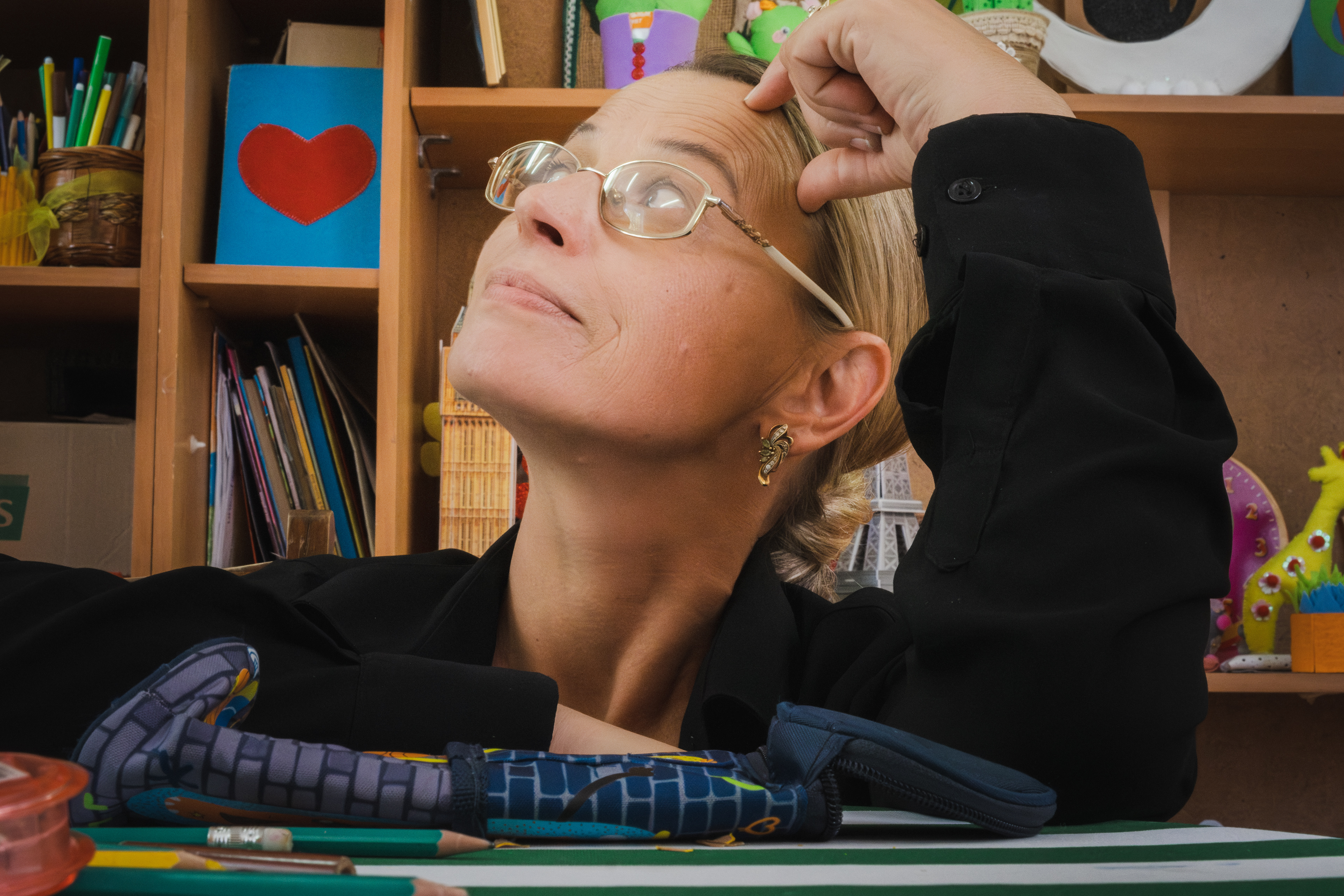
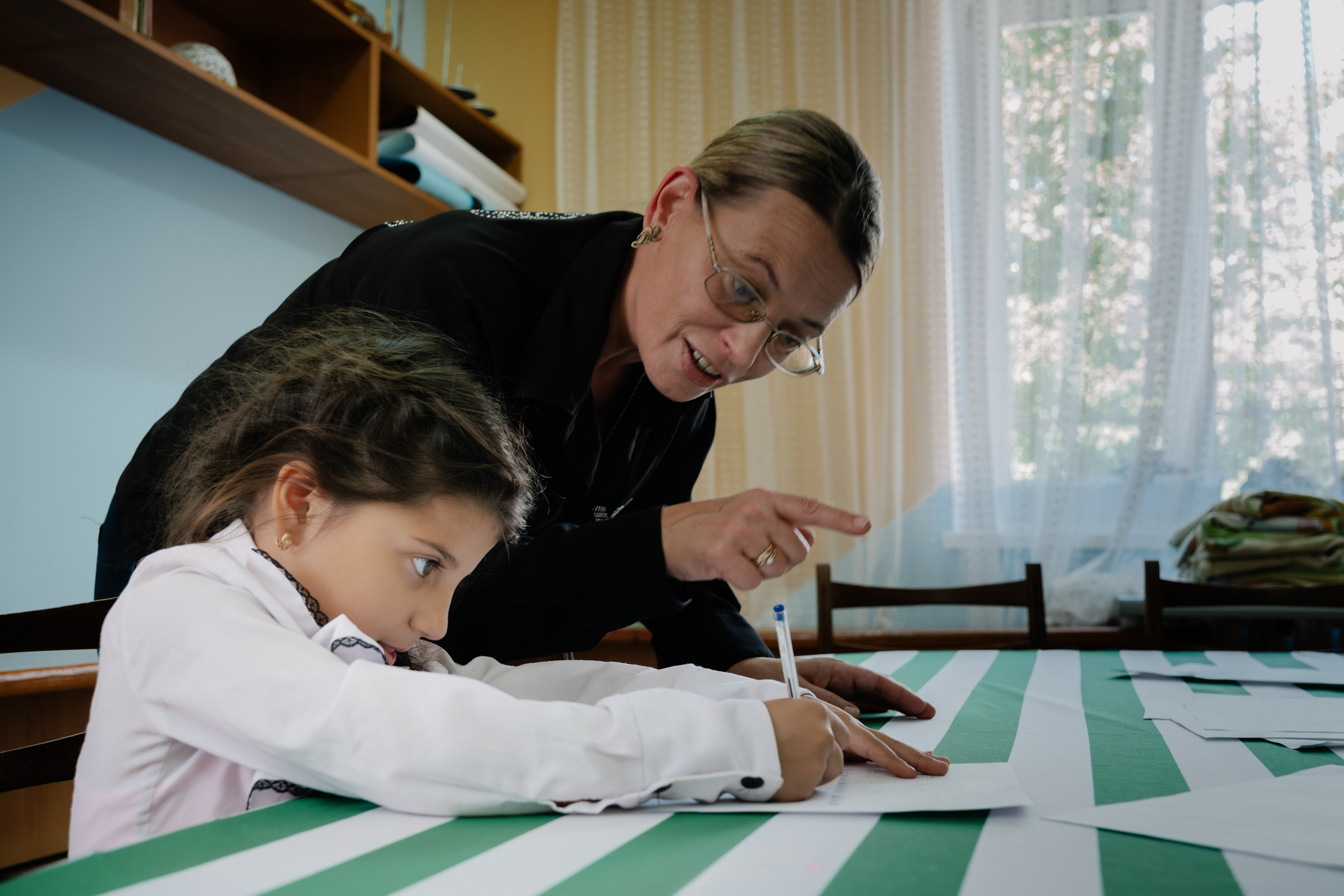
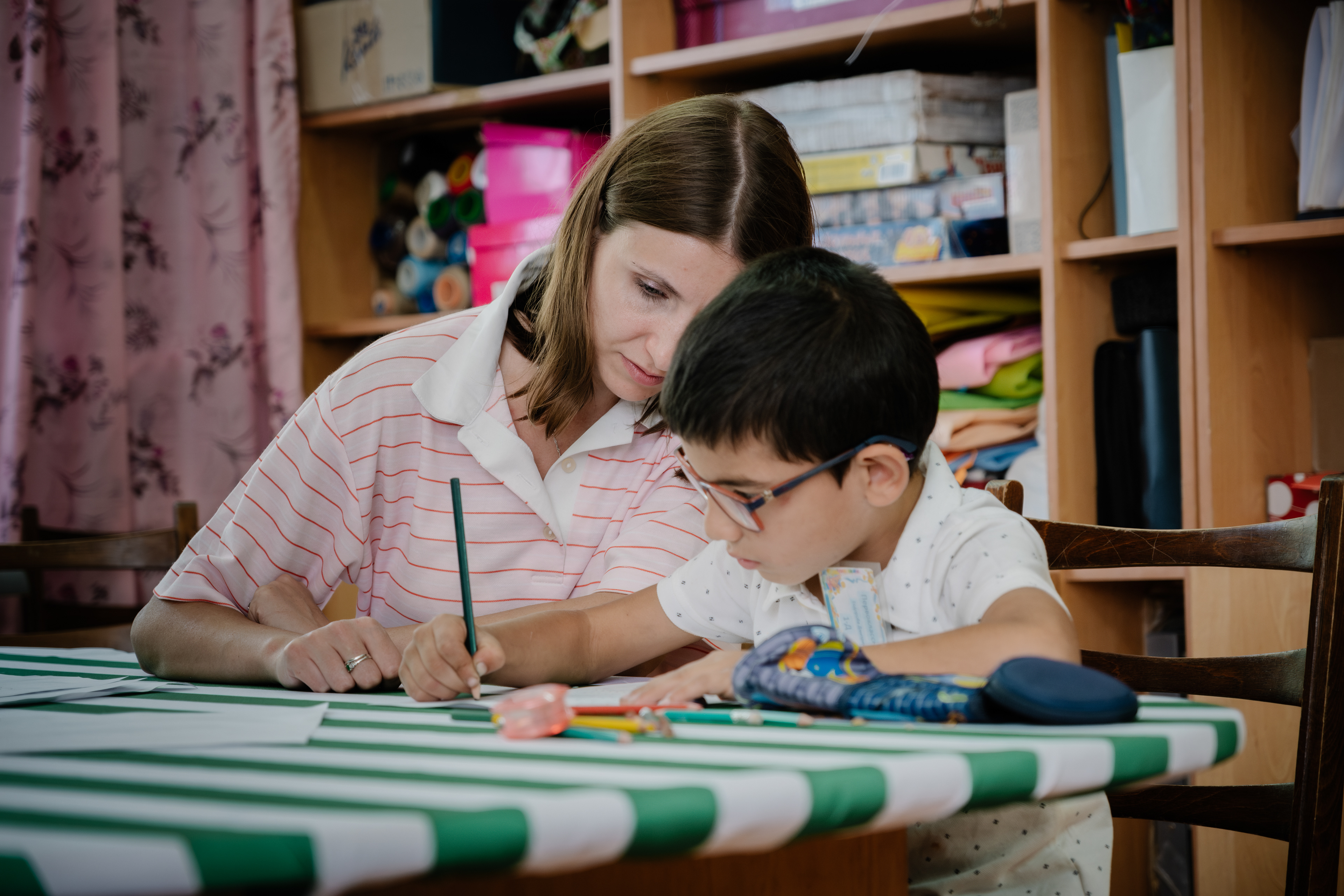
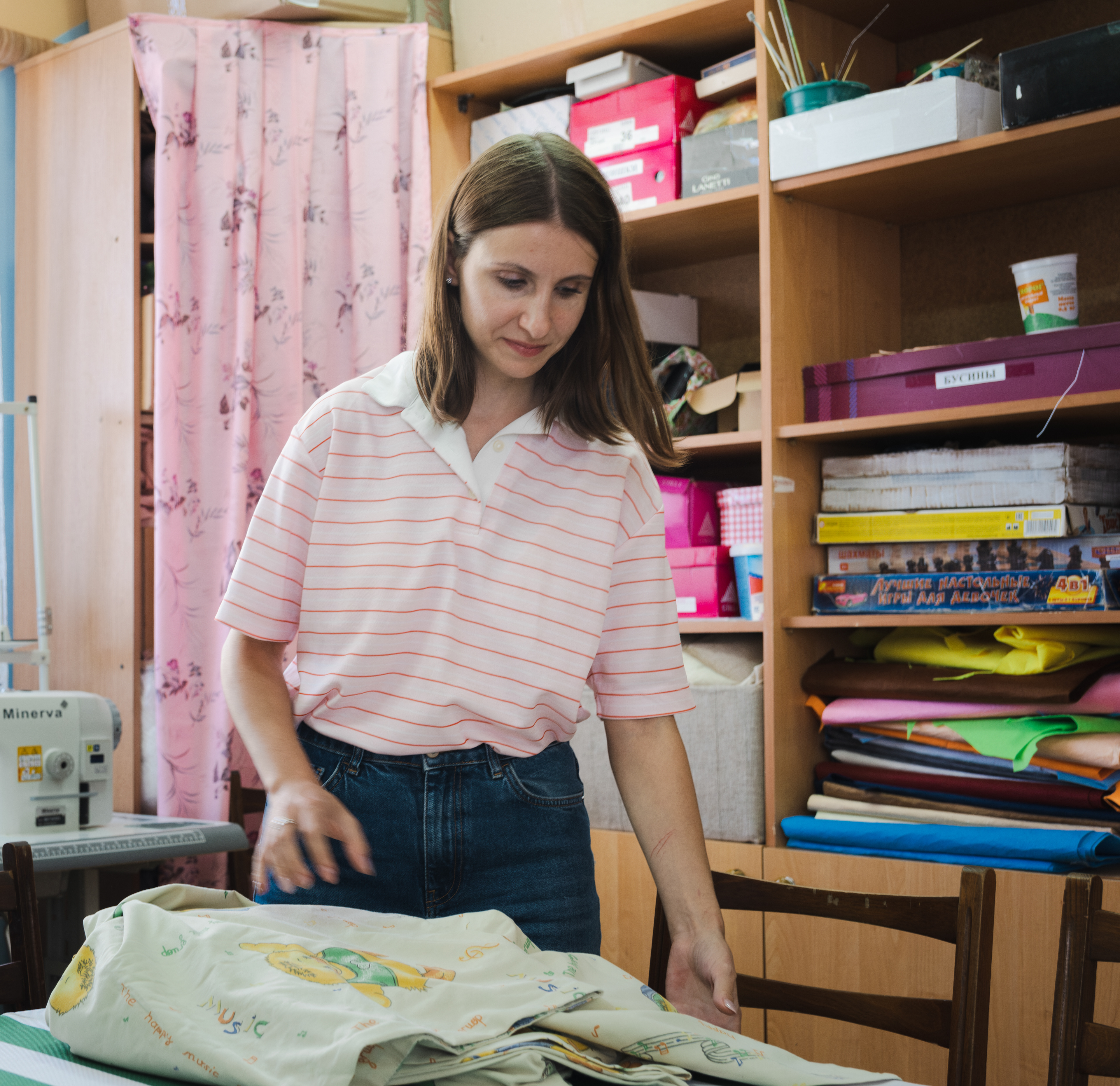
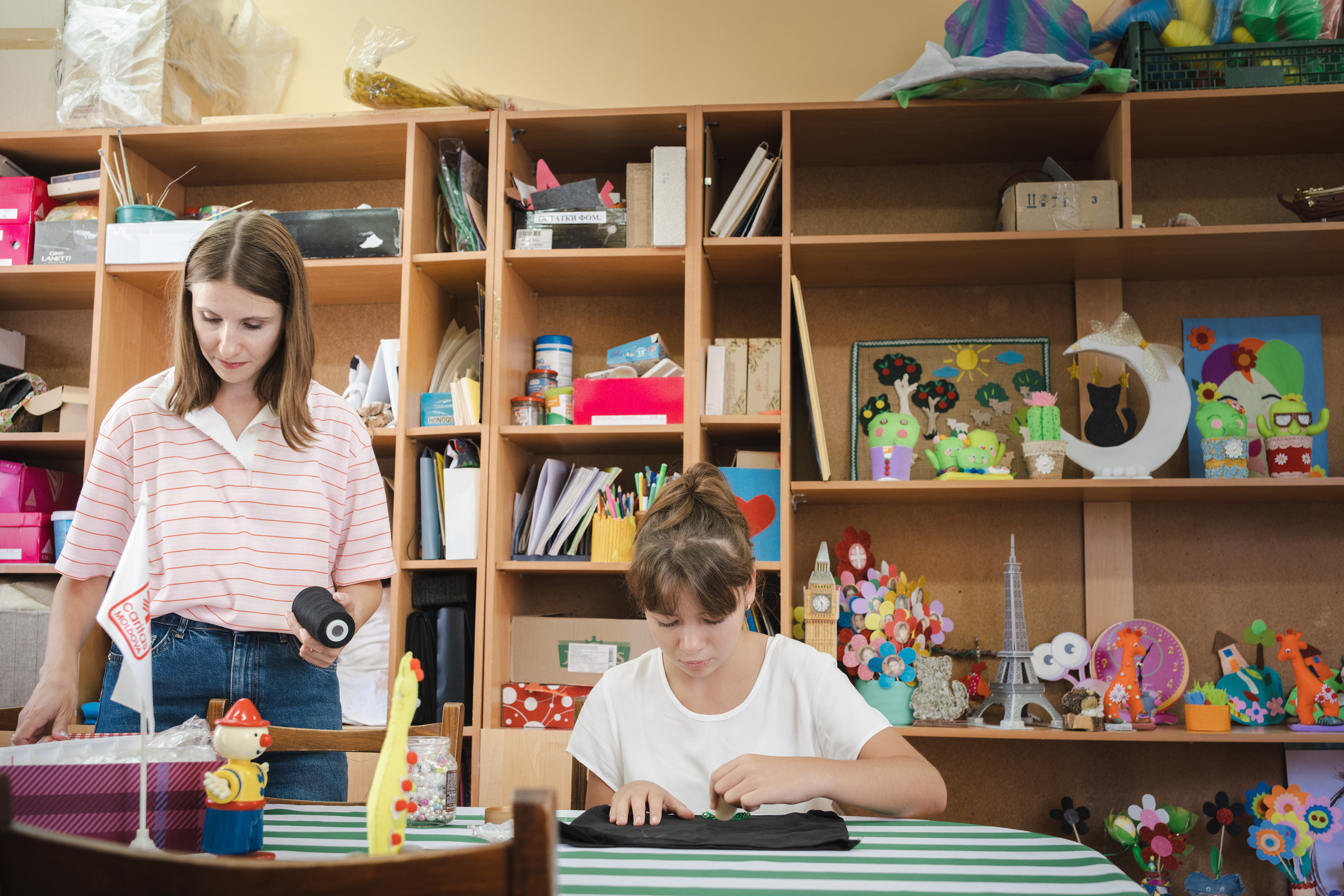
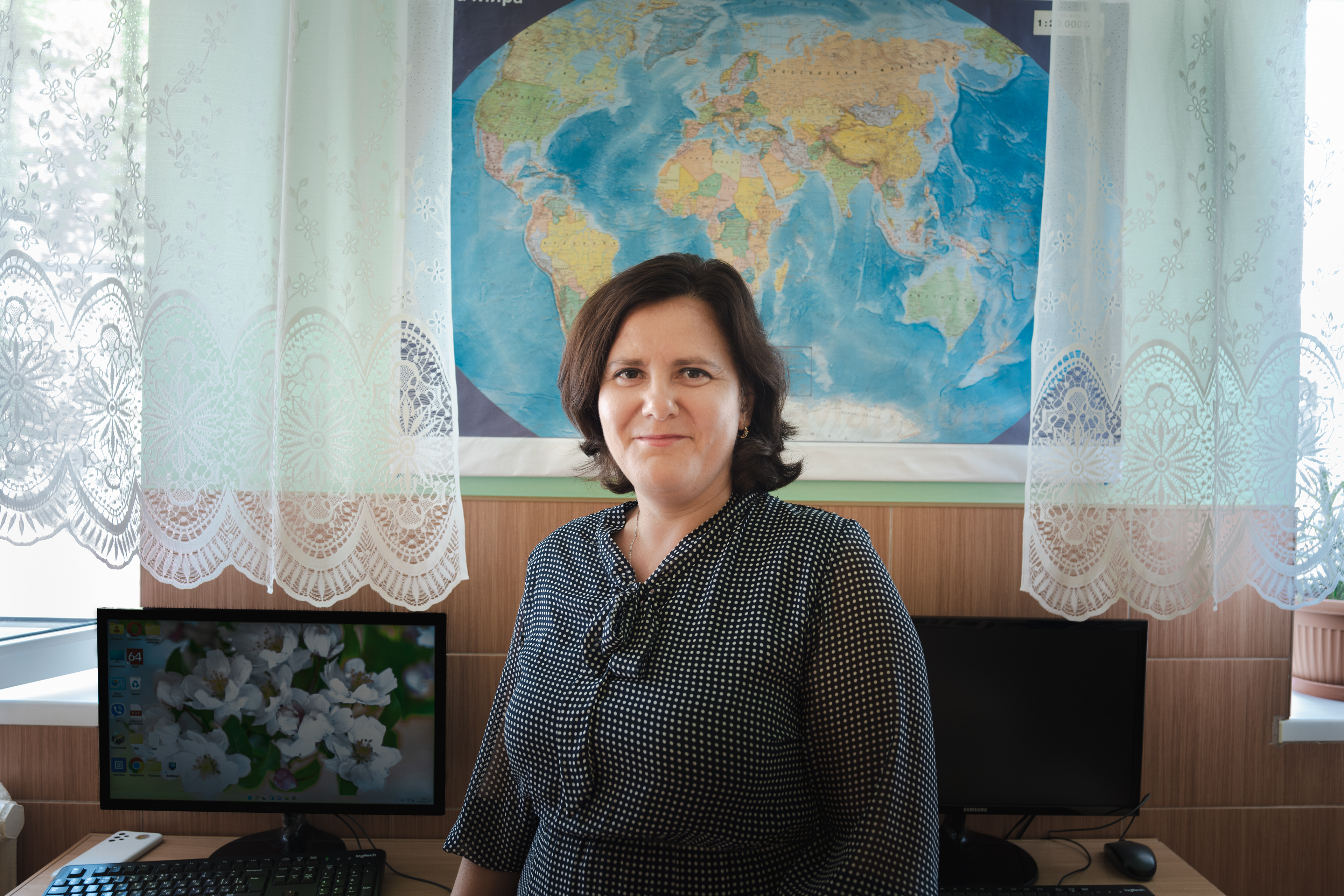
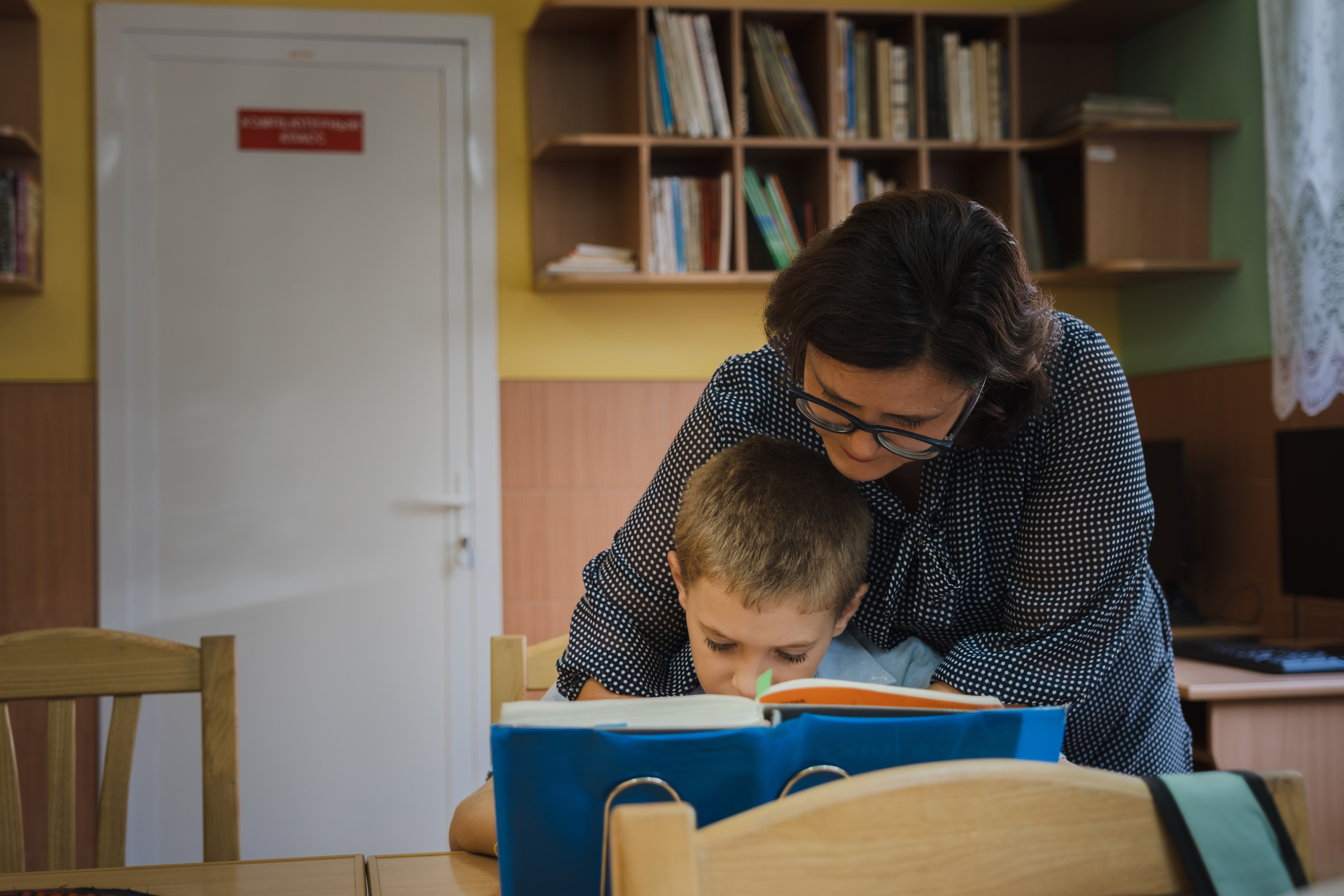
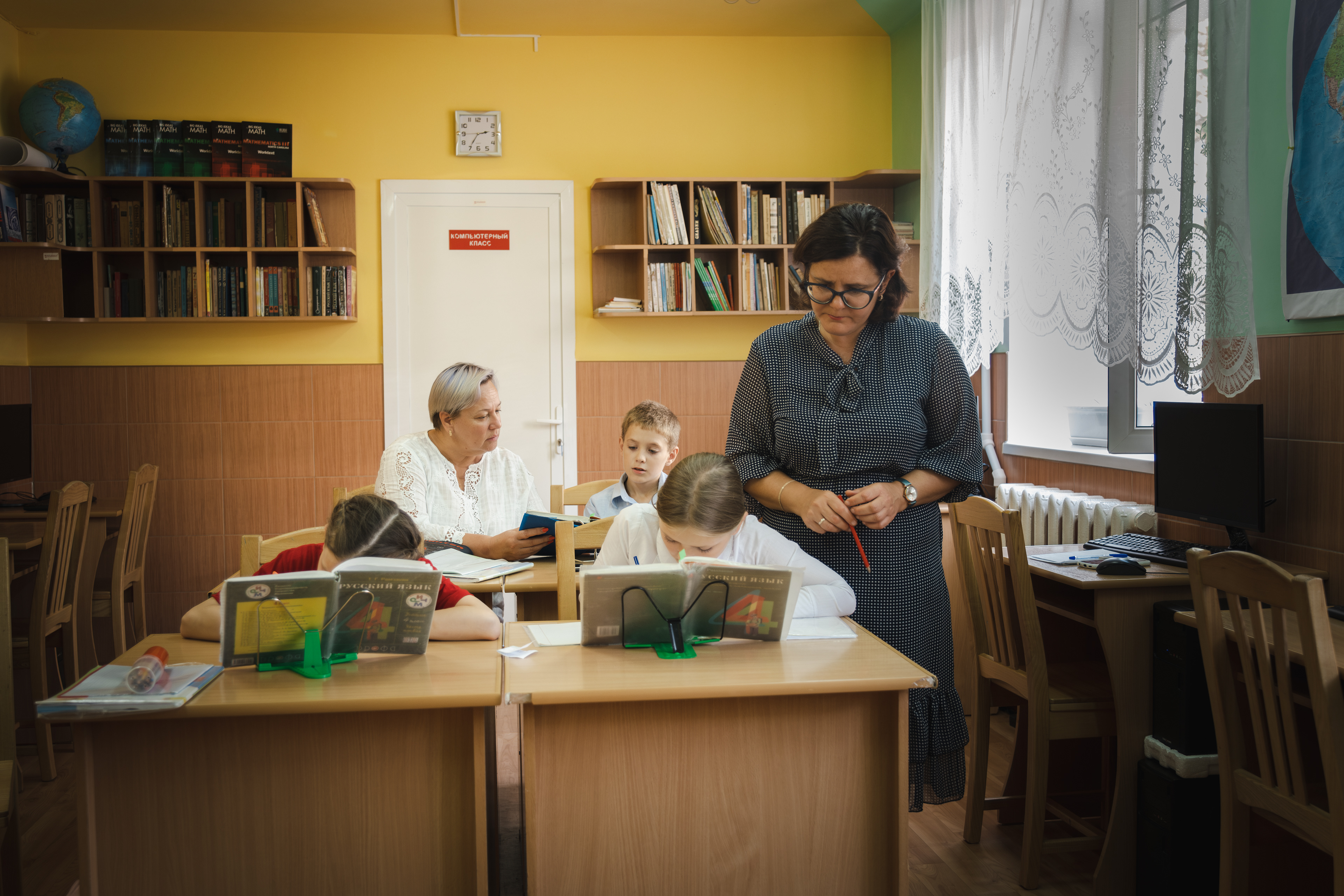
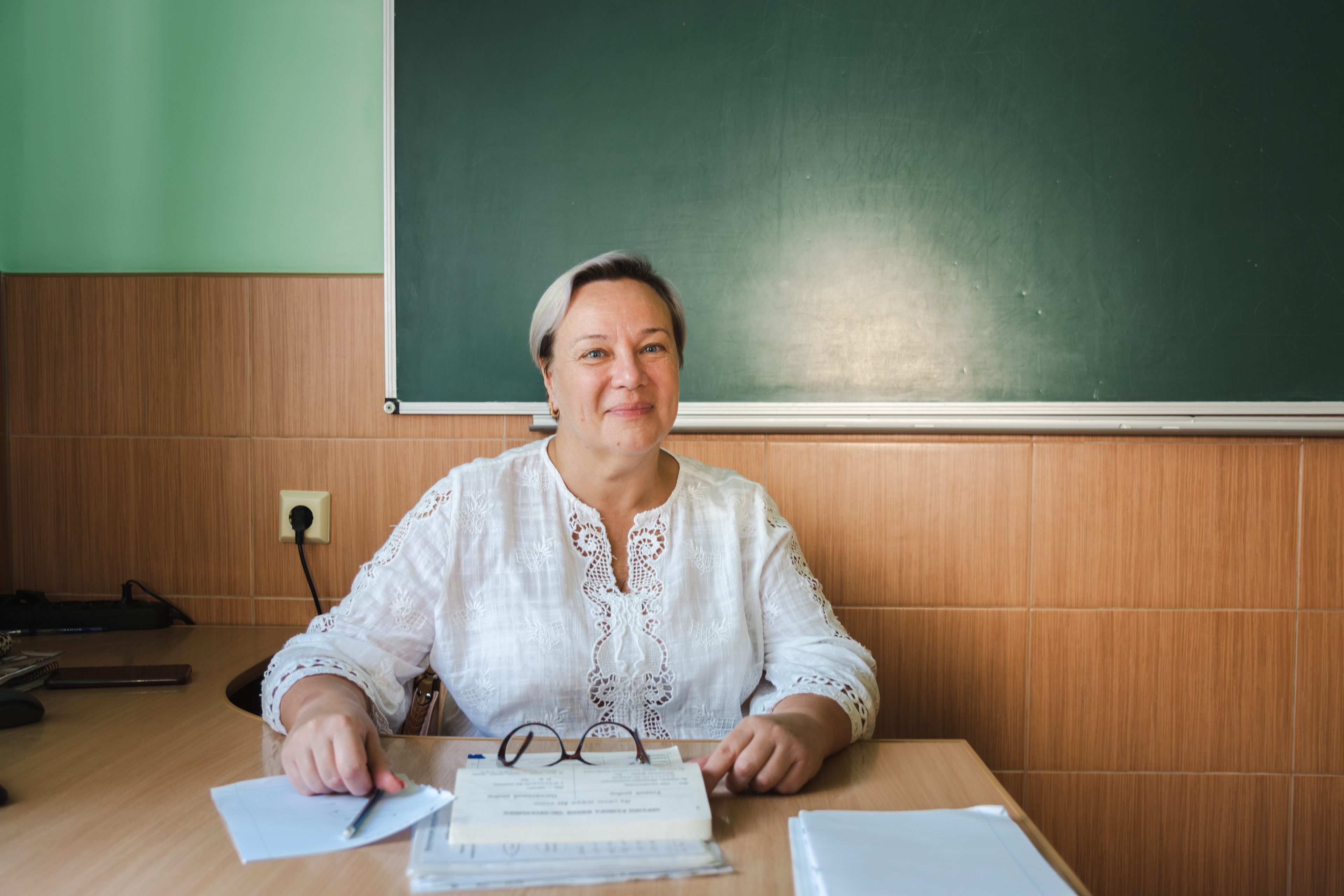
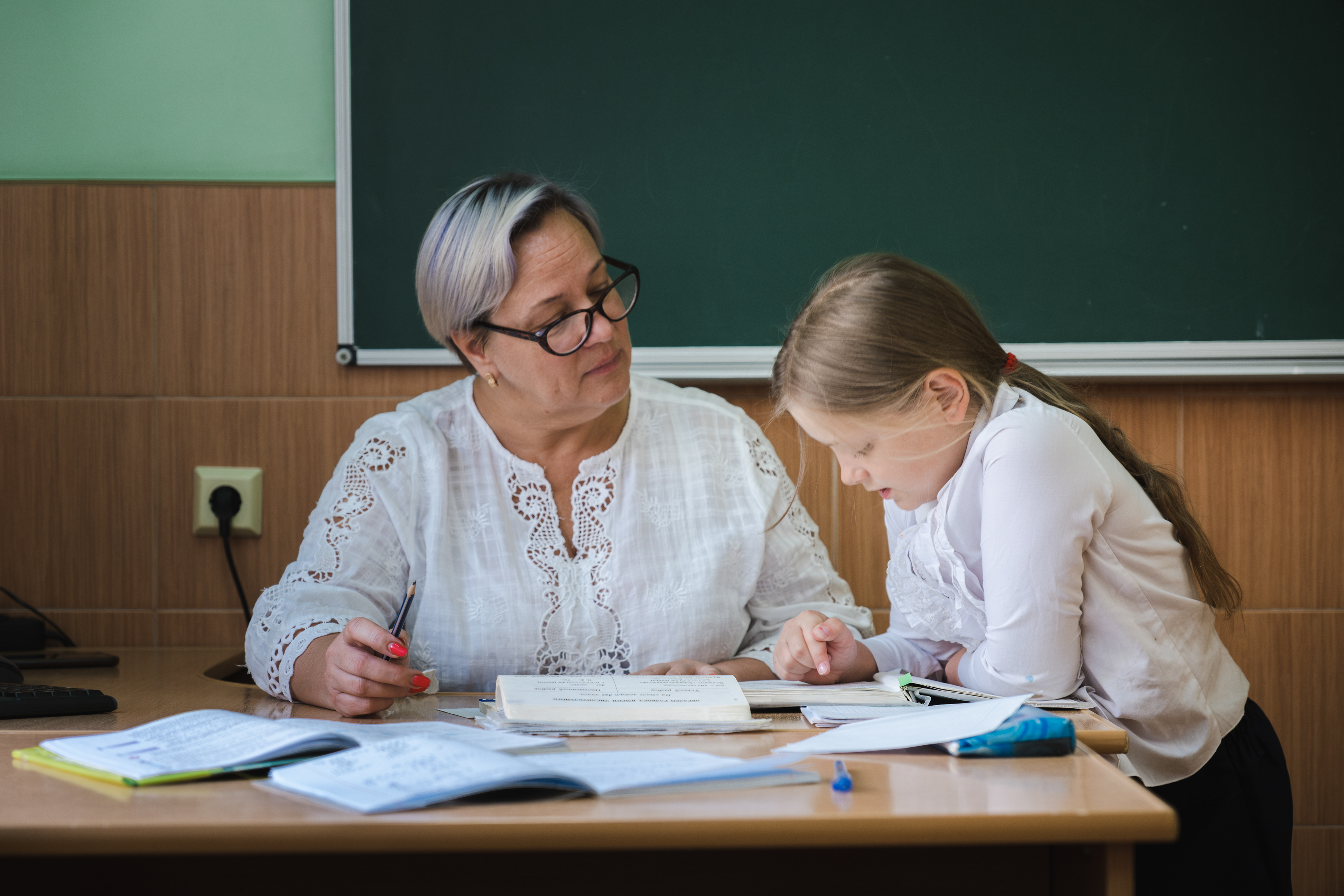
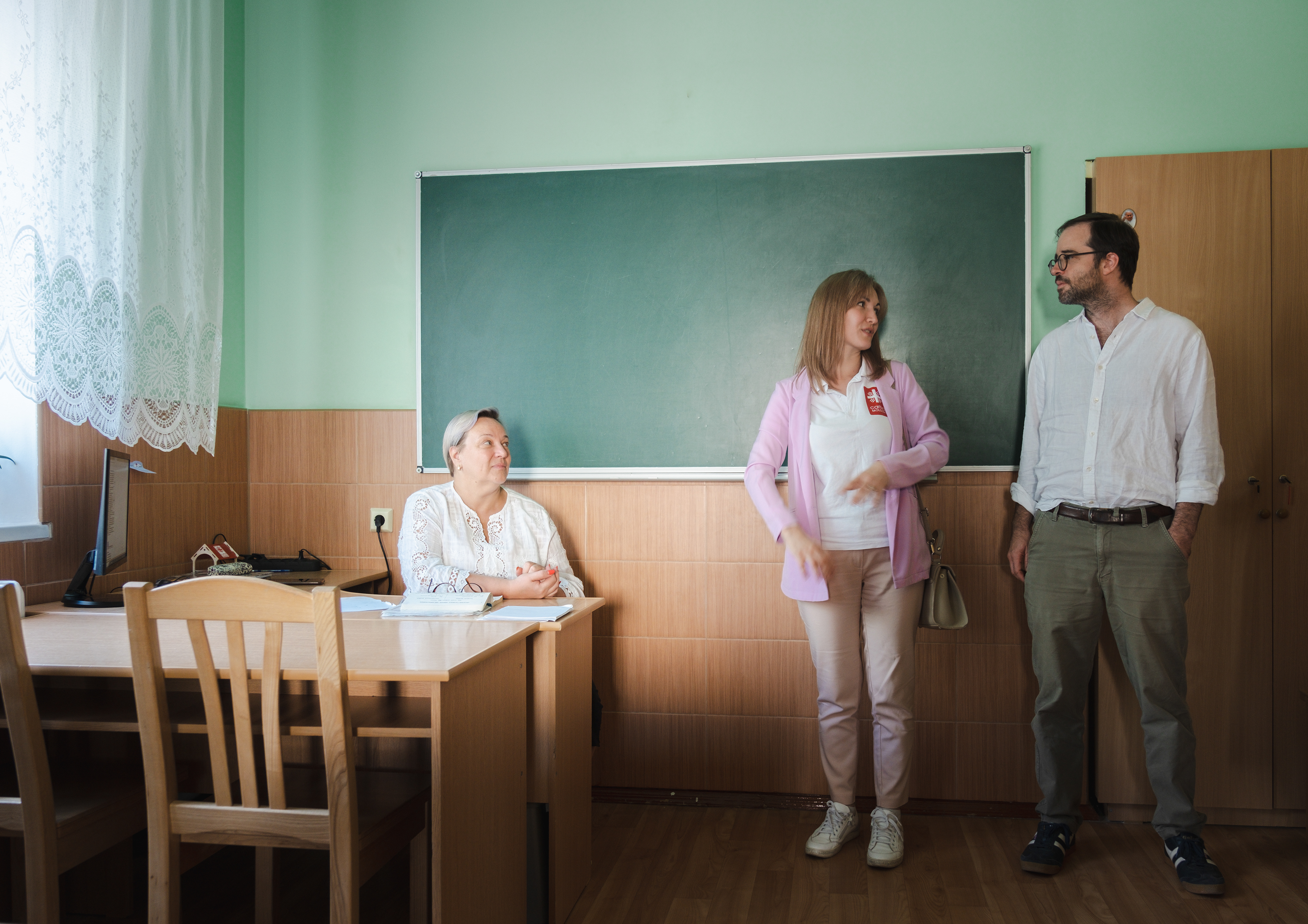
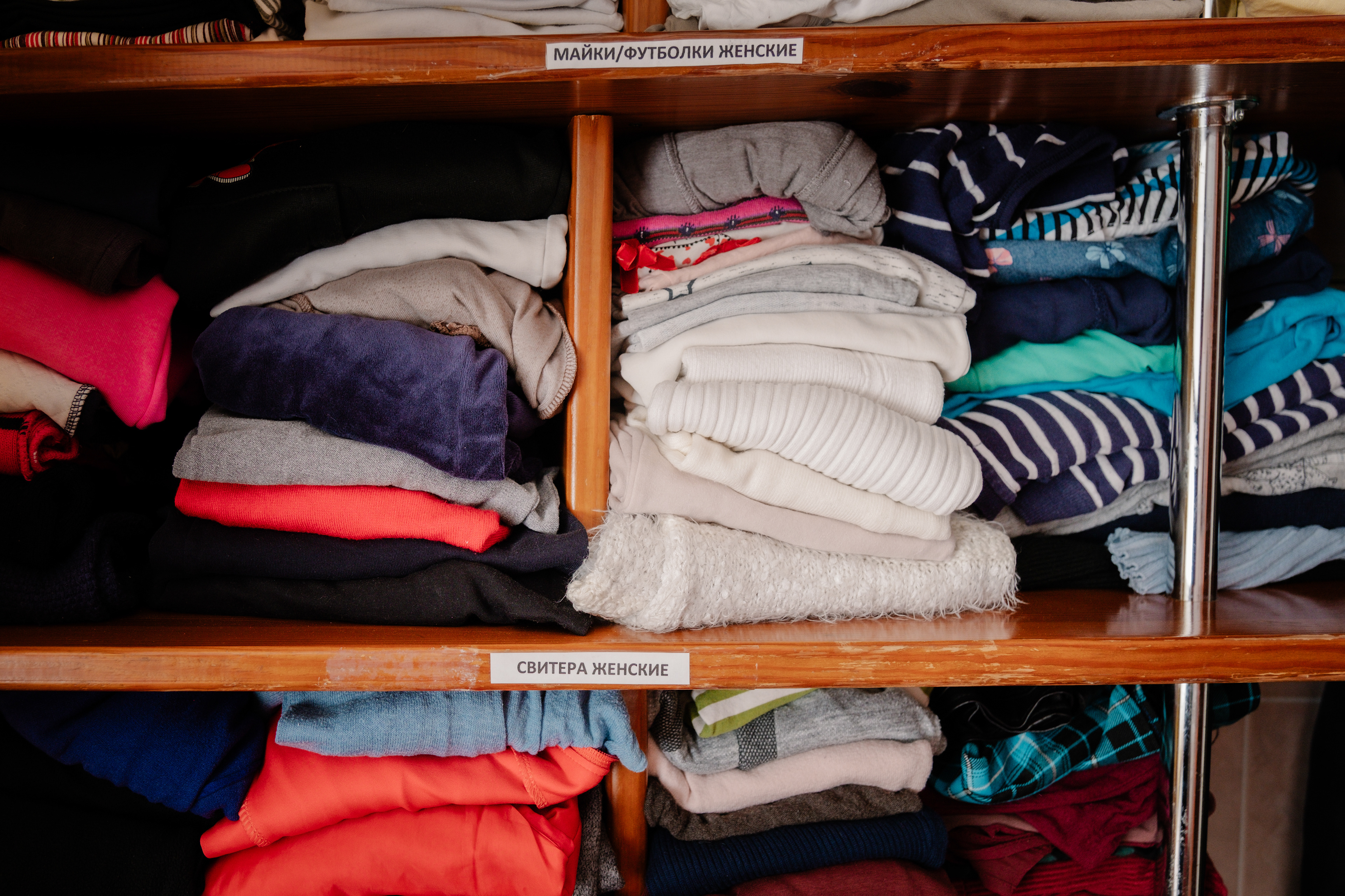
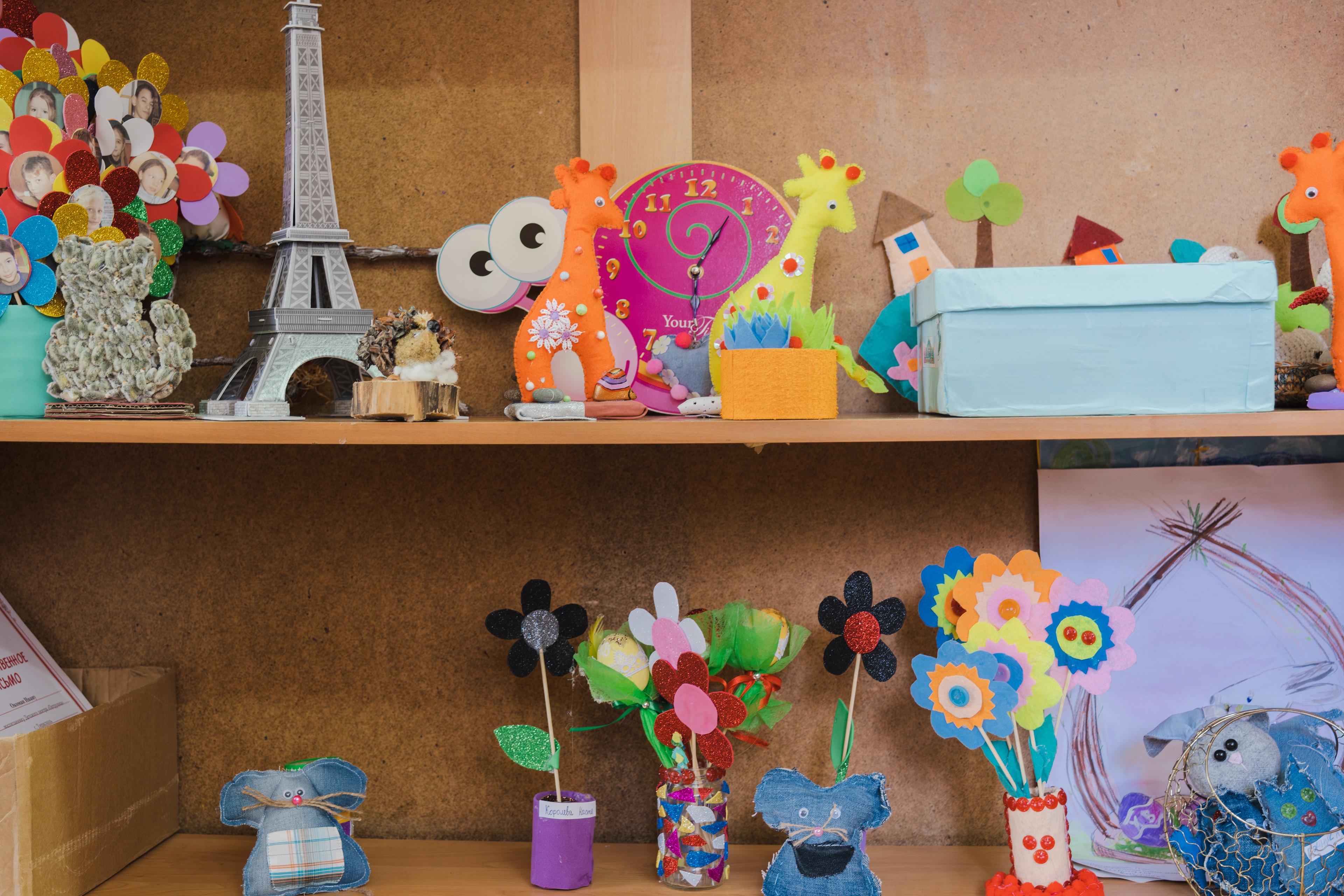
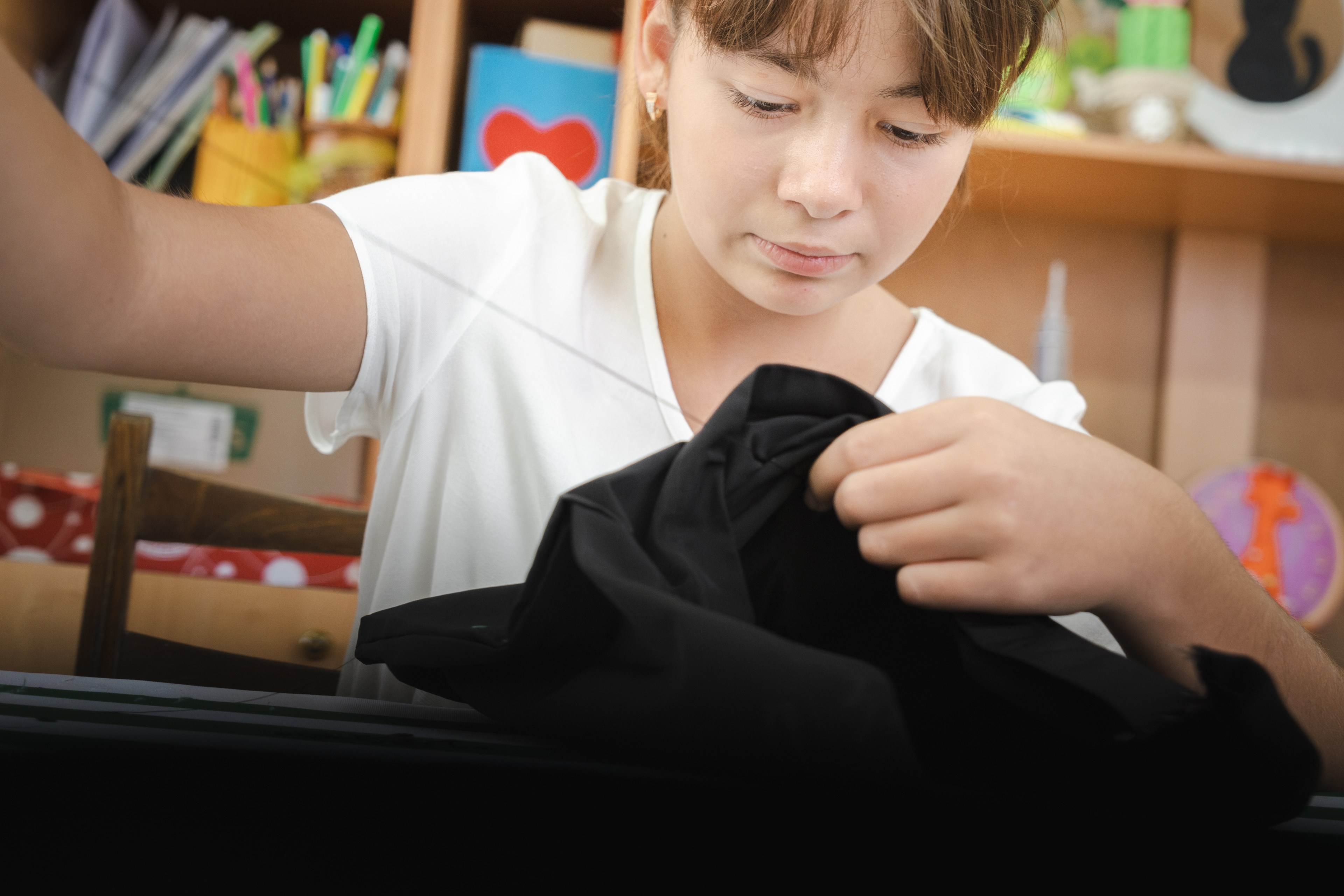
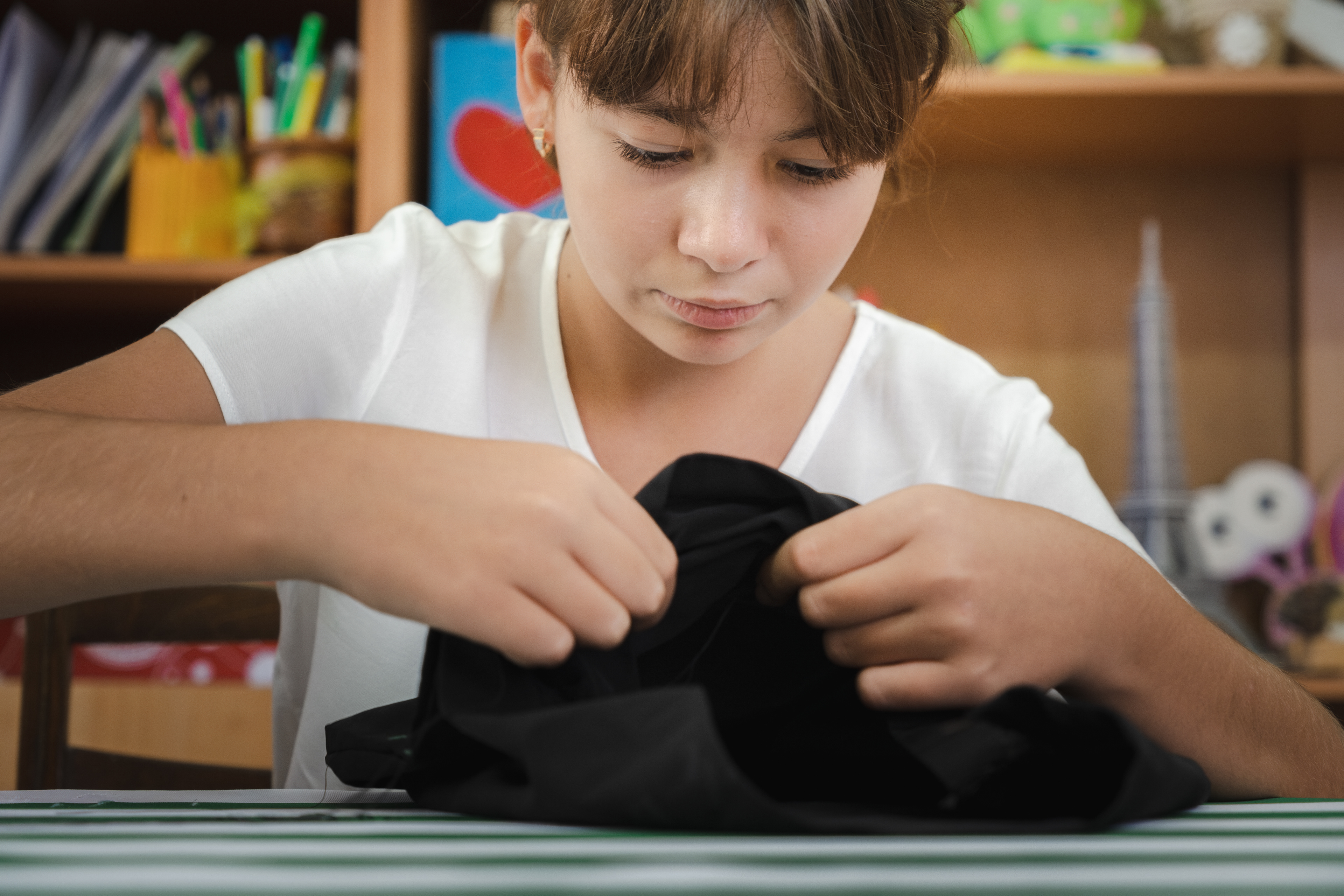
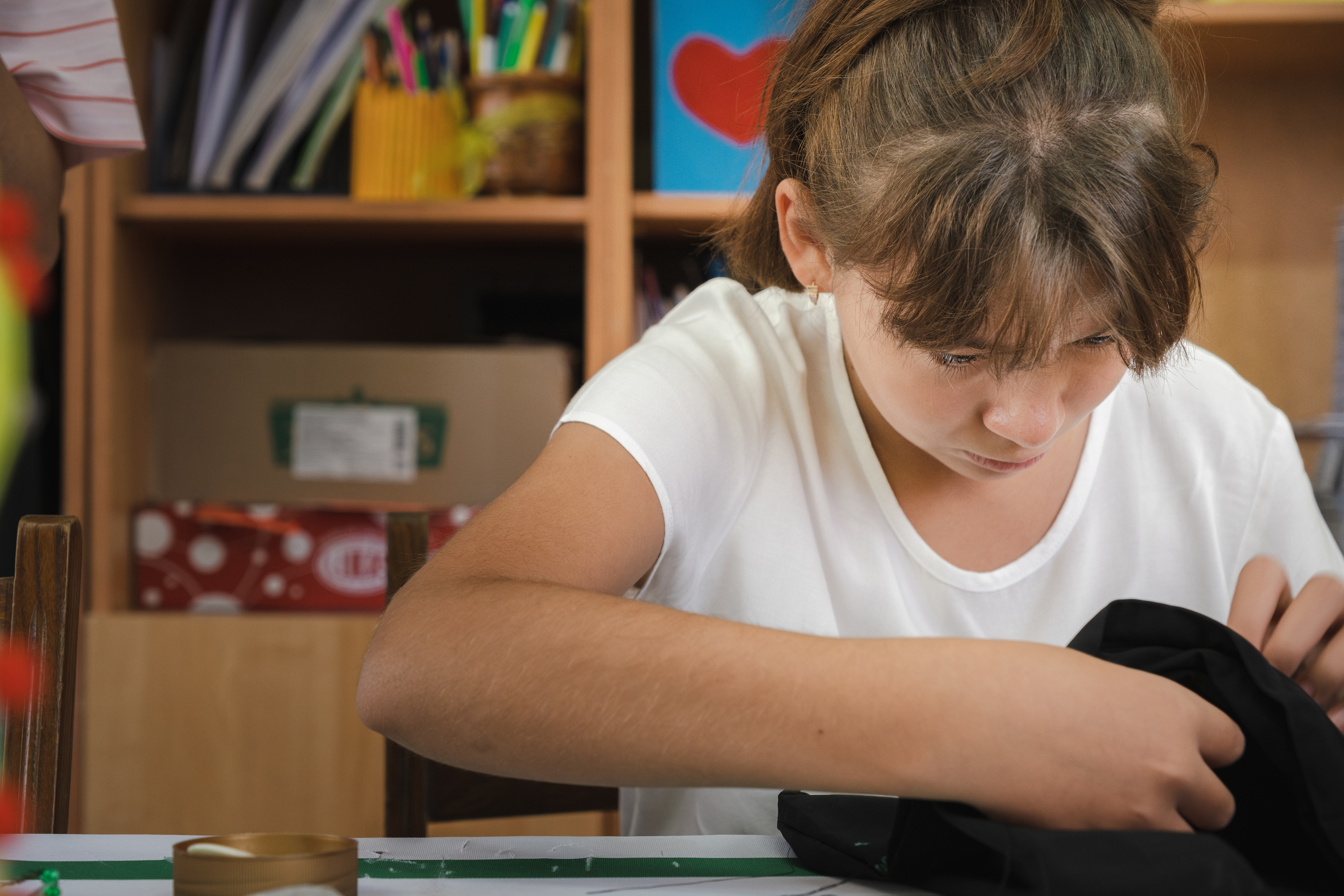
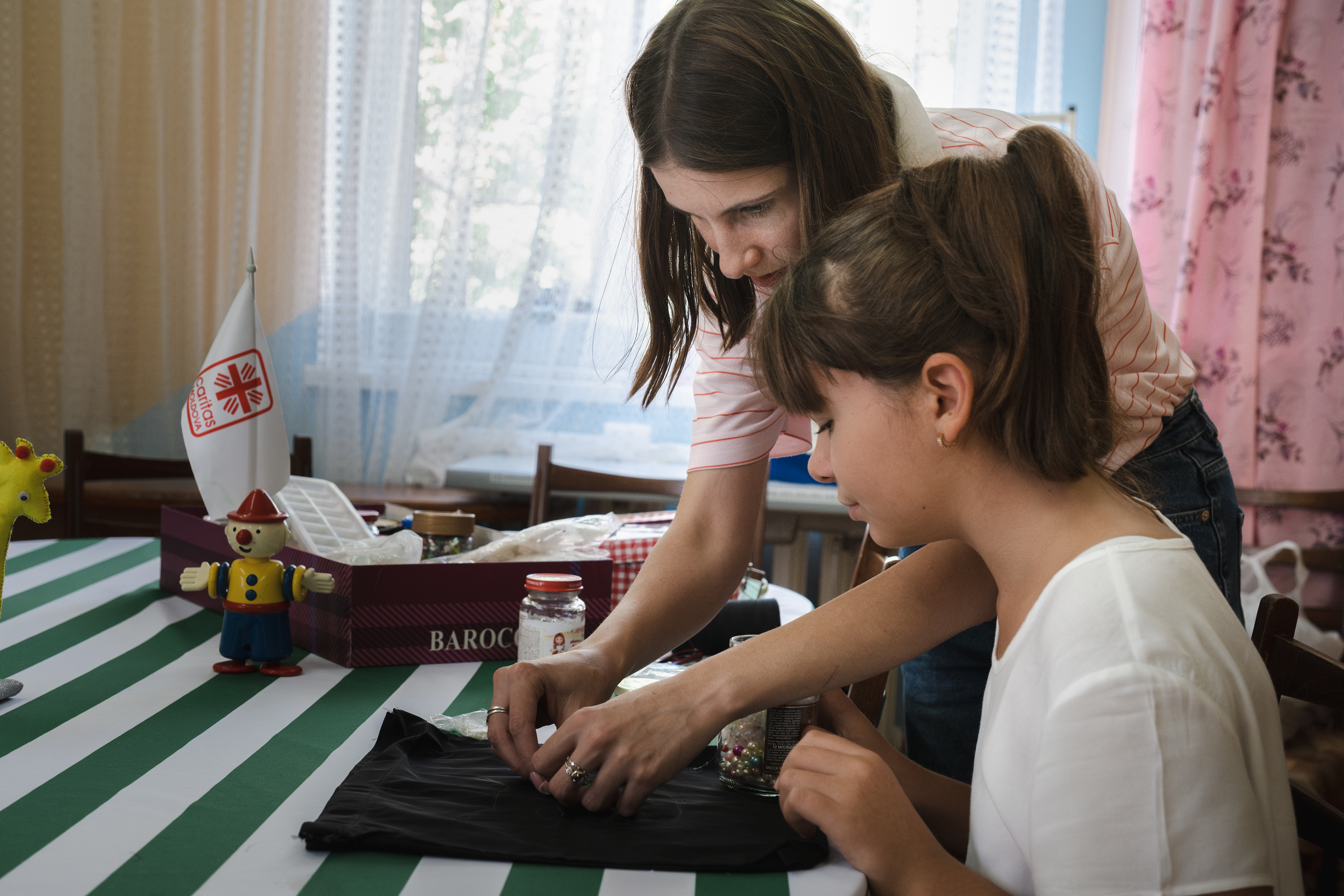
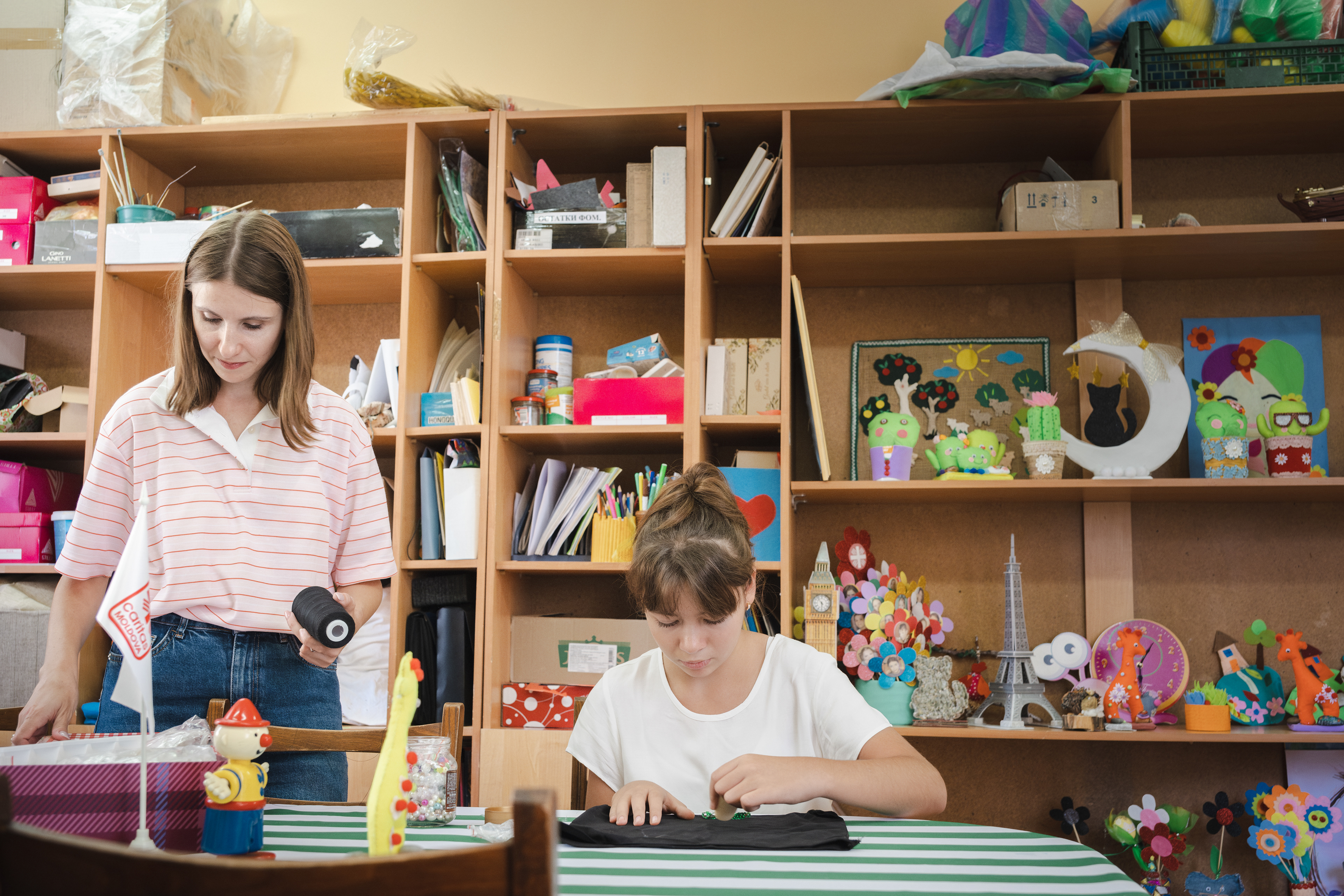
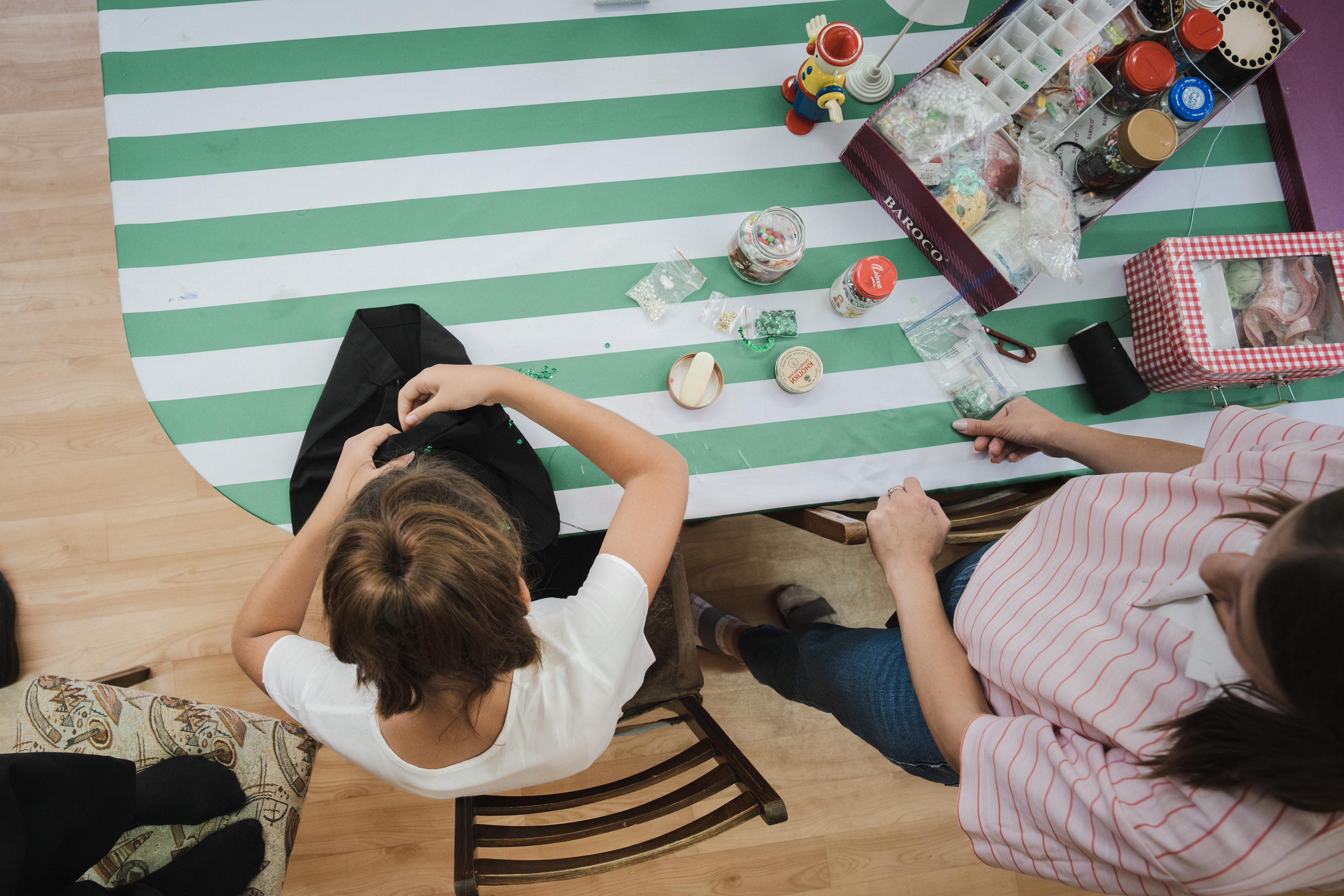
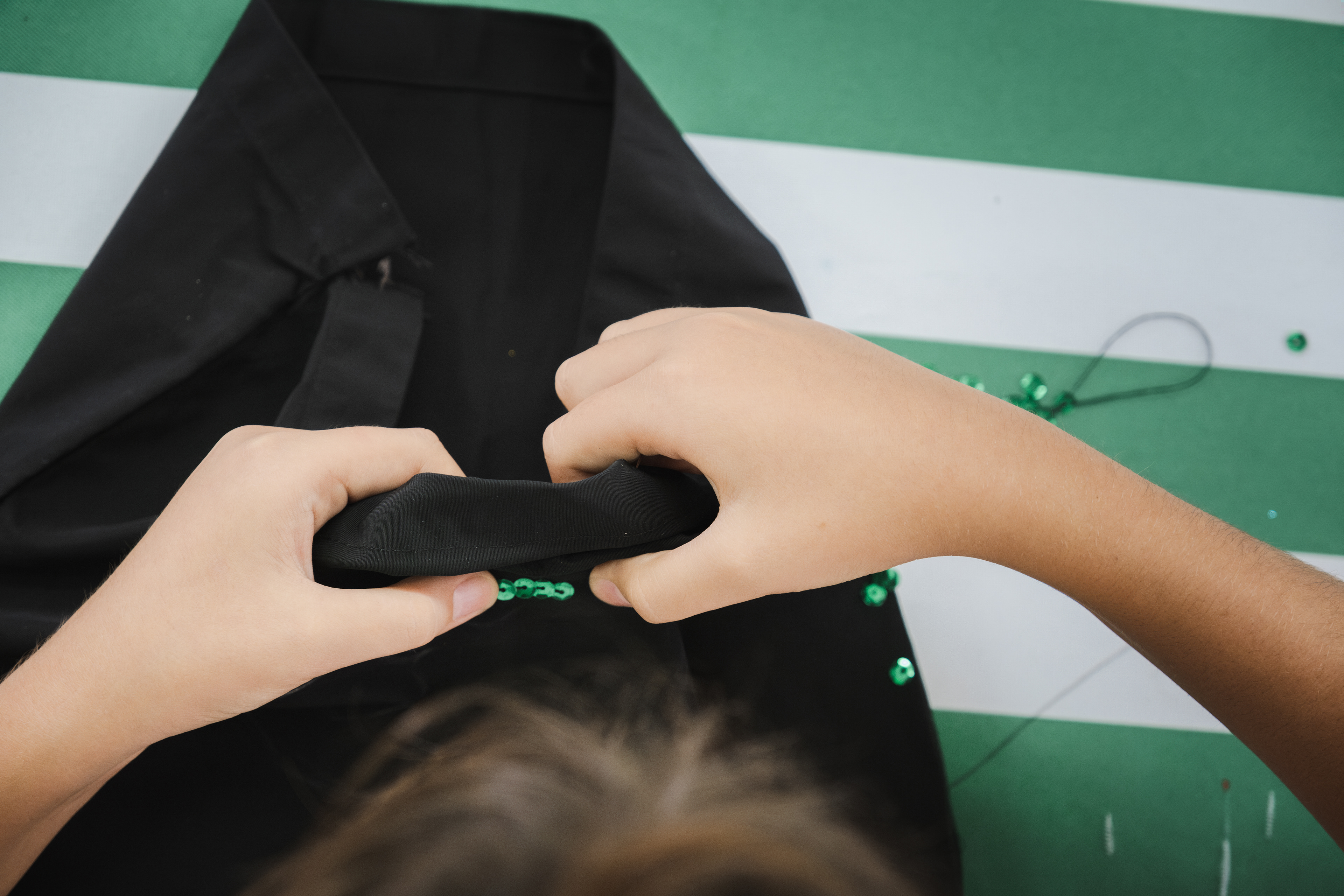
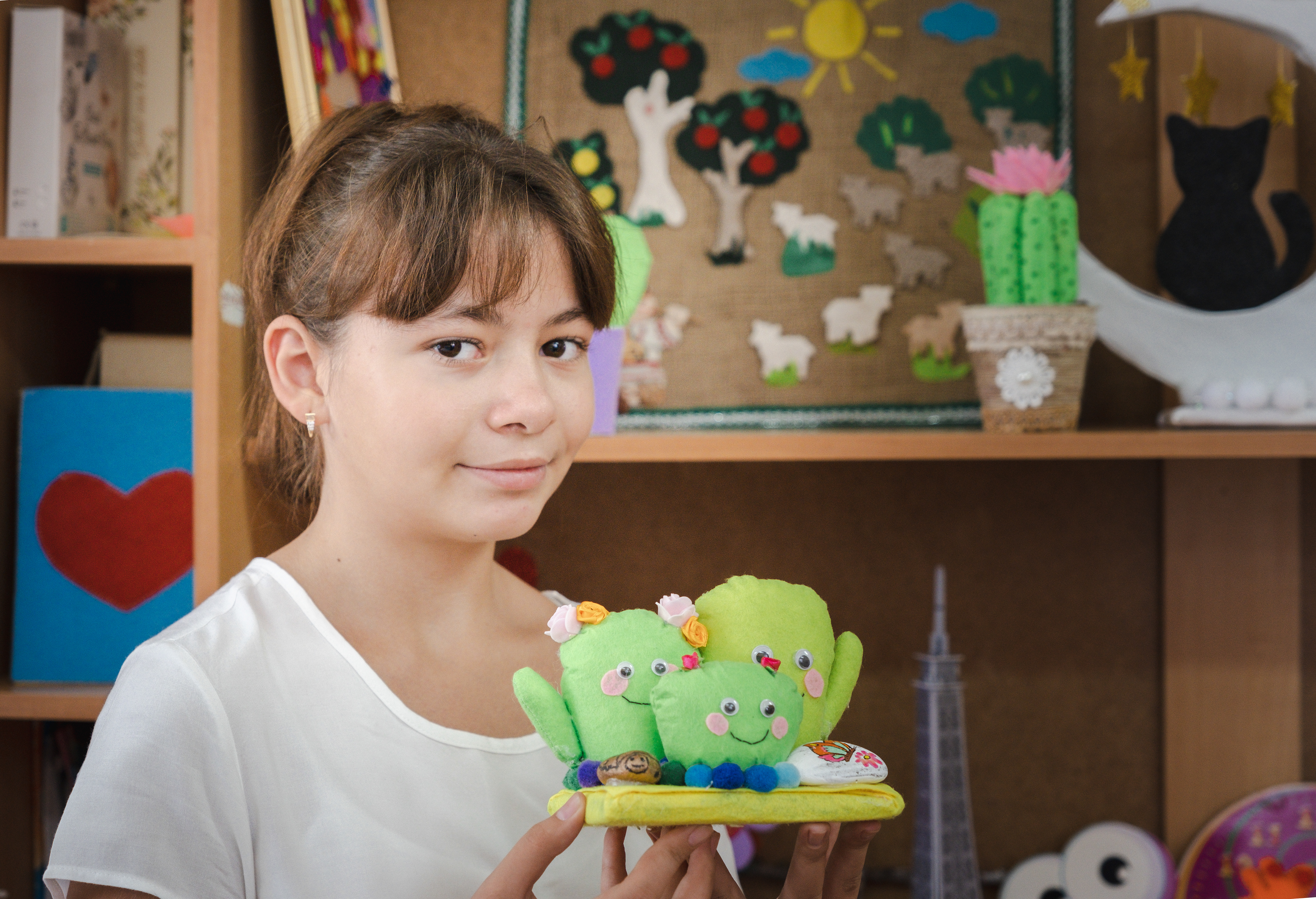
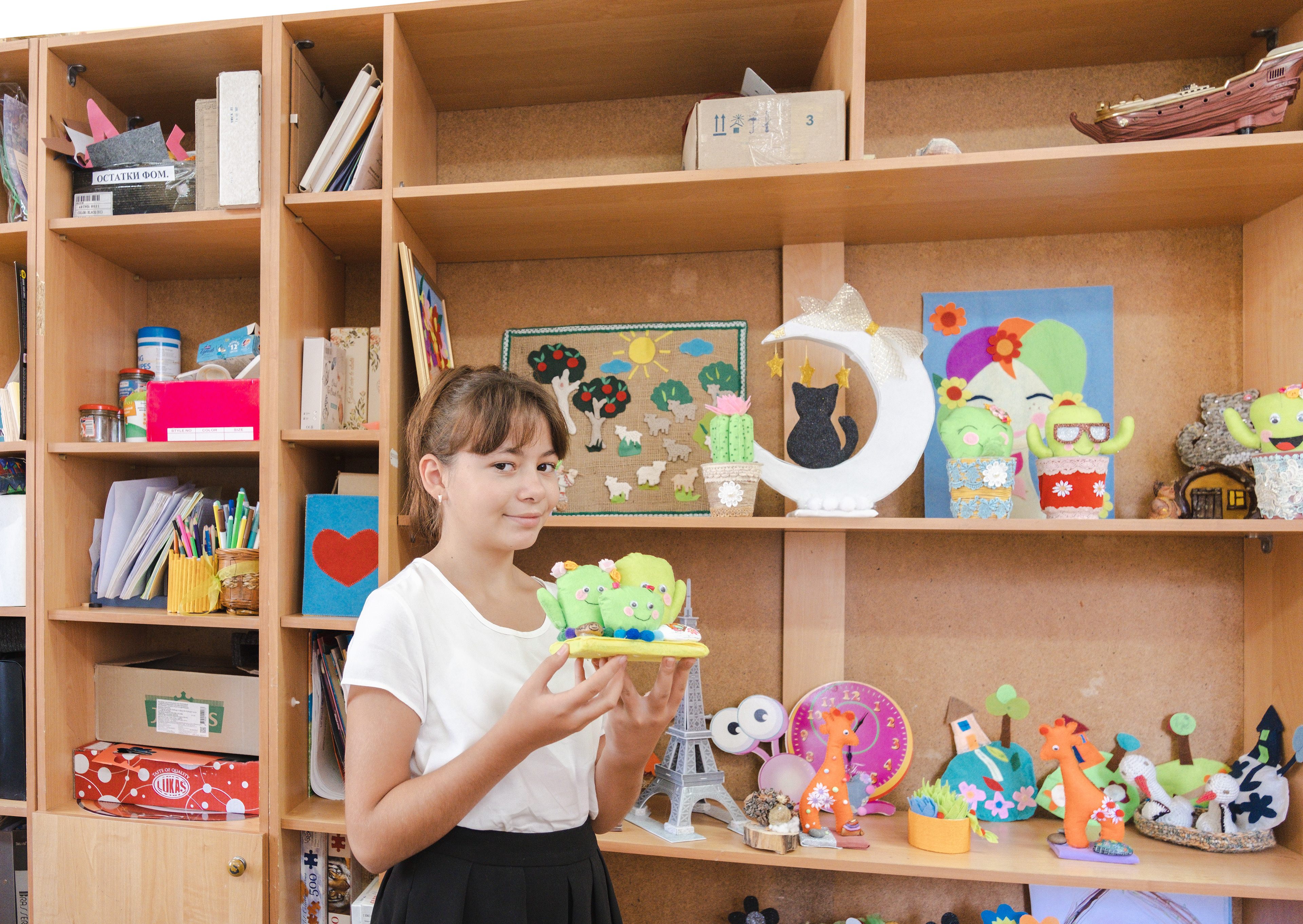
Im Kinderzentrum Petrushka in Tiraspol und in vier weiteren Standorten werden täglich insgesamt bis zu 310 Kinder und Jugendliche betreut. Viele Kinder in der Republik Moldau wachsen in bitterer Armut auf, kommen von der Straße, aus staatlichen Heimen oder sozial benachteiligten Familien. In den Kindertagesstätten der Caritas bekommen sie täglich Mahlzeiten, Unterstützung bei den Hausaufgaben - und viel liebevolle Zuwendung.
An den vier weiteren Standorten findet die Betreuung in Form von Kindertagesstätten statt. Angeboten werden Lernbegleitung und Unterstützung in schulischen Belangen. Zusätzlich wird Wert auf die außerschulische Bildung der Kinder in Form von Workshops zu Kinderrechten, Gesundheit, Digitalisierung uvm. wertgelegt. Weiters zählen Bewegungs- und Kunsttherapien, freizeitpädagogische Aktivitäten und psychologische und medizinische Beratung zu dem umfassenden Angebot der Kindertagesstätten. Auch die tägliche warme Mahlzeit stellt einen wichtigen Schwerpunkt in der Betreuung der Kinder und Jugendlichen dar. Eltern werden umfassend beraten und um auch ein Stück weit die Armut in den Familien zu lindern, werden die Bedürftigsten unter ihnen mit Lebensmittelpaketen, Bekleidung und Schulbedarf versorgt.
Eines der wichtigsten Ziele der Zentren ist es, Kinder wie Mischa und Sascha vor einem Schulabbruch zu bewahren, denn nur ein Schulabschluss ermöglicht ihnen Weiterbildung und Chancen am Arbeitsmarkt. Viele der kleinen BesucherInnen erhalten in den Kinderzentren liebevolle Fürsorge und erfahren, was emotionale Wärme bedeutet. So gewinnen sie wieder Vertrauen in andere Menschen - und können einfach wieder Kind sein.
In four Day-Care Centres in Tiraspol, Rashkov (Transnistria), Petropavlovca and Zirnesti, up to 310 children
and young people receive care every day. Learning support and homework help as well as extracurricular
education of the children are offered via workshops on children's rights and health, digitization trainings and
many others. Furthermore, art therapy and leisure activities, psychological and medical help are part of the
comprehensive range services within the Day-Care Centres. The daily hot meal is also an important conCaritas
Austria Humanitarian Aid Projects in Moldova
5
tribution to the care of children and young people. Parents receive comprehensive advice in order to decrease
or prevent the poverty within their families. Families that are overwhelmed with poverty and other
consequences of it, benefit from food parcels, clothing and school supplies. One of the most important
goals of the centres is to prevent children from dropping out of school.
In four Day-Care Centres in Tiraspol, Rashkov (Transnistria), Petropavlovca and Zirnesti, up to 310 children
and young people receive care every day. Learning support and homework help as well as extracurricular
education of the children are offered via workshops on children's rights and health, digitization trainings and
many others. Furthermore, art therapy and leisure activities, psychological and medical help are part of the
comprehensive range services within the Day-Care Centres. The daily hot meal is also an important conCaritas
Austria Humanitarian Aid Projects in Moldova
5
tribution to the care of children and young people. Parents receive comprehensive advice in order to decrease
or prevent the poverty within their families. Families that are overwhelmed with poverty and other
consequences of it, benefit from food parcels, clothing and school supplies. One of the most important
goals of the centres is to prevent children from dropping out of school.
Project Partner: Caritas Moldova
In four Day-Care Centres in Tiraspol (Transnistria), Rashkov (Transnistria), Petropavlovca and Zirnesti, up to 310 children and young people receive care every day. Learning support and homework help as well as extracurricular education of the children are offered via workshops on children's rights and health, digitization trainings and many others. Furthermore, art therapy and leisure activities, psychological and medical help are part of the comprehensive range services within the Day-Care Centres. The daily hot meal is also an important contribution to the care of children and young people. The families that are overwhelmed with poverty and other consequences of it, benefit from food parcels, clothing and school supplies. One of the most important goals of the centres is to prevent children from dropping out of school.
Two of the four CARING-Caritas Children's Centers are located in Transnistria in the eastern part of the Republic of Moldova. An average of one in eight children lives in poverty in Transnistria. The lack of income has an impact on the safety, healthy child development and psychological well-being of the girls and boys affected. Nearly a quarter of the working-age population has left the country to work elsewhere. Many children are left behind with grandparents - or lose their homes altogether.
Selection of Activities for children:
Catch-up programme (5 days per week) to support those who have fallen behind while out of school and reduce the learning gap.
Peace, Protection and Rights education programme
Child parliament meetings/debate club
Informative sessions on children’ s rights and protection
Forum theatre performances
Health and wellbeing education programme
healthy lifestyle, sport and nutrition workshops
Eco education: workshops, separate trash, fashion show/contest with reused things
Craft/handmade & Art therapy
Recreational activities
Integral and solidary human development education programme
Informative sessions/ workshops (Building resilience, Ethics and Family Life Values, Life skills)
SOLE sessions: Children are given a specific question and then try to find an answer as a group by using sources on the internet and then present their findings
Classes on blogging, photo/video shooting/editing (Tiraspol, Rashcov)
Financial education programme
Individual counselling and psychological support (on request) - from emotional well-being and self-esteem, rights of young people, to social problems and relationship issues (love, friendship, and family) and career guidance
Annual medical consultation for children and parents
Providing support for 6 youngsters from social apartments in Tiraspol:
Accommodation
Stipend
Counselling on independent life skills
Employment guidance
Individual and group counselling for providing information, support and guidance in the areas of mental health (addressed to young people in emotional crisis, depression), substance and alcohol abuse, sexual activity)